What is fractional laser?
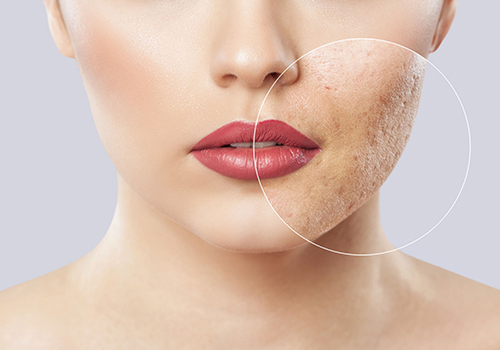
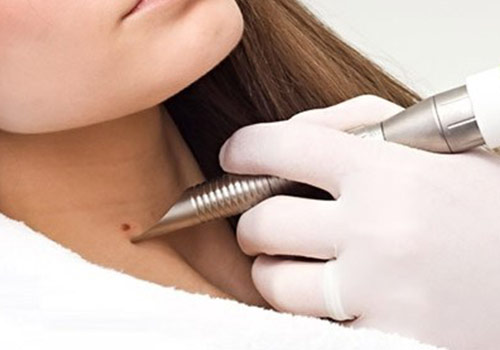
A laser treatment that resurfaces the skin in a grid of microscopic columns, leaving healthy skin between them. The skin heals quickly from the untouched areas and responds by making new collagen, which smooths scars, pores, texture and fine lines over the following months.
How much downtime is there after fractional laser?
It depends on the depth of treatment. After a lighter treatment, expect 1 to 3 days of redness and mild swelling; most people return to work the next day. After a deeper treatment, plan about 5 to 7 days of redness, swelling and peeling, and pinkness can last a few weeks.
How many sessions will I need?
Most people need 3 to 5 sessions about 4 weeks apart. Deeper treatments need fewer sessions, often 1 to 3, spaced at least 6 to 8 weeks apart. Deeper scars usually need more treatment than texture or pores.
How long does a fractional laser session take?
About 1 to 1.5 hours in total. Numbing cream is applied for 45 to 60 minutes first, and the laser itself takes about 15 to 30 minutes for the full face.
Does fractional laser hurt?
Numbing cream is applied for about 45 to 60 minutes first, so most people feel prickling heat rather than pain. Cooling during treatment helps, and the skin feels like a sunburn for a few hours afterwards.
When will I see results?
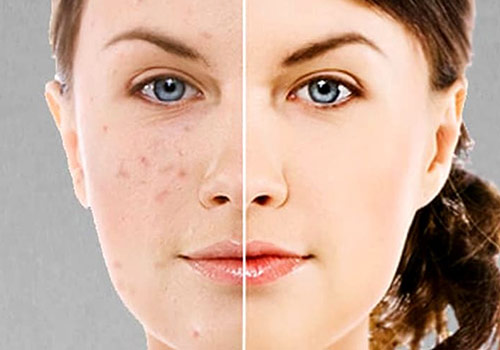
The skin looks smoother and brighter once it has healed, within about one to two weeks. The main change builds over 3 to 6 months as new collagen forms, so final results are judged a few months after the last session.
Can fractional laser remove acne scars completely?
Fractional laser can make acne scars clearly shallower and less noticeable, but complete removal is rarely realistic. Rolling and boxcar scars respond best; deep, narrow ice-pick scars usually need another technique as well.
Is fractional laser safe for darker skin?
Yes, with the right settings. Darker skin has a higher risk of temporary dark marks after laser, so treatment uses lighter settings over more sessions, careful preparation and strict sun protection, often with a test patch first.
Can fractional laser treat melasma or dark spots?
Sun spots and uneven tone can improve, but melasma needs caution because heat can make it worse. For melasma, other treatments usually come first, and fractional laser is used only in selected cases with gentle settings.
Can fractional laser treat stretch marks?
Yes. It can improve the texture and colour of stretch marks over a course of sessions. Newer red or purple marks usually respond better than older white ones, and the result is an improvement rather than complete removal.
Can I combine fractional laser with microneedling or PRP?
Often, yes. Scar and texture plans frequently combine methods, for example fractional laser with microneedling, RF microneedling or PRP, in a staged plan. Your doctor sequences them so the skin heals between treatments.
What should I avoid after fractional laser?
Avoid sun, saunas, steam rooms, swimming pools and hard workouts while the skin heals, and do not pick at flakes. Skip exfoliating acids, vitamin A creams and scrubs until your doctor says your skin is ready, and use a high-SPF sunscreen every day.
When is the best time for fractional laser in Qatar?
Many patients choose the cooler months, roughly November to March, when the sun is gentler. Before a wedding, Eid or a trip, allow at least two to three weeks after a deeper treatment and about a week after a lighter one.
How much does fractional laser cost in Qatar?
The fee depends on the area treated, the depth of treatment, the number of sessions and any combined treatments. You receive a personalised treatment plan, including fees, after your assessment.