What is a thread lift?
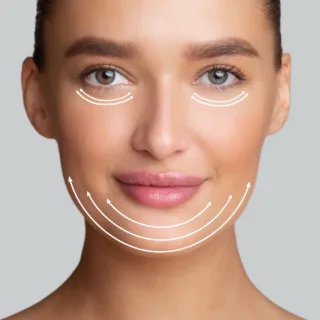
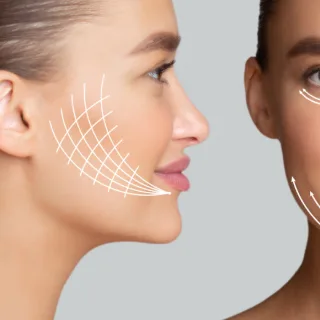
A non-surgical lift in which dissolvable medical threads are placed under the skin to lift sagging tissue along planned lines. As the threads dissolve over the following months, the body builds collagen around them, which helps keep the skin firmer.
Is a thread lift the same as a surgical facelift?
No. They are different procedures with different limitations, recovery and risk profiles. A thread lift repositions tissue but does not remove excess skin, so it suits mild to moderate sagging; marked sagging is better treated with surgery.
How long does a thread lift last?
Usually 12 to 18 months, depending on your skin, the threads used and how much lift was needed. The collagen formed around the threads can keep the skin firmer for longer, and the lift can be repeated.
How long does a thread lift take?
About 45 to 60 minutes, including numbing with local anaesthetic. A combined treatment, such as filler in the same visit, takes a little longer.
Does a thread lift hurt?
The entry points are numbed with local anaesthetic, so most people feel pressure and tugging rather than pain. The face can feel tight and tender for a few days afterwards.
How long is the recovery after a thread lift?
Swelling, tightness and possible bruising usually settle within 3 to 7 days, and most people return to work within 1 to 3 days. Avoid strenuous exercise, saunas, facial massage, wide mouth opening and dental treatment for about two weeks.
When will I see results?
You see a lift straight away. It settles into its final, natural position over 2 to 4 weeks, and the skin keeps firming for 2 to 3 months as collagen forms.
Which threads do you use?
Dissolvable medical threads, such as PDO threads, either smooth or with small barbs for lifting, chosen for the area and the lift needed. Your doctor explains the threads proposed for your plan.
Can a thread lift fix a double chin?
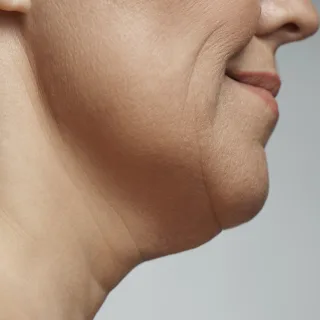
Only when loose skin is the main cause. A double chin can also come from fat or a short chin, which threads do not change; defining the chin and jawline, or another approach, may suit you better.
Is a thread lift or filler better for sagging?
They do different jobs: filler restores or creates volume, while threads attempt modest tissue repositioning. Many faces benefit from some of both, in stages; others need neither. Your doctor explains which fits your concern.
Is a thread lift better than HIFU or other skin-tightening devices?
They work differently. Ultrasound (HIFU) and radiofrequency devices tighten the skin with heat, gradually and without needles, but they firm rather than lift. A thread lift repositions sagging tissue, and the two approaches are often combined.
What are the risks of a thread lift?
These include swelling, bruising, infection, persistent pain and a thread becoming exposed. Dimples and mild asymmetry usually settle within weeks. Report persistent or worsening pain, increasing swelling, discharge or an exposed thread promptly.
Who should not have a thread lift?
Treatment is postponed in pregnancy and breastfeeding, and while there is an infection in the area. It is not the right choice for marked sagging or excess skin, and bleeding problems or blood-thinning medicines need discussing with your doctor first.
How much does a thread lift cost in Qatar?
The fee depends on the areas treated, the number and type of threads, any combined treatments and maintenance over time. You receive a personalised treatment plan, including fees, after your assessment.