


Designed, not guessed.
Veneers & Smile Design in Qatar
Considering dental veneers in Qatar? At Platinum Medical Center in Lusail, your smile assessment starts with your goals, teeth, gums and bite. Discuss material options, preparation and maintenance, and whether veneers or an alternative such as bonding, whitening or aligners may suit your case.
A real case, up close
A smile is in
the details.
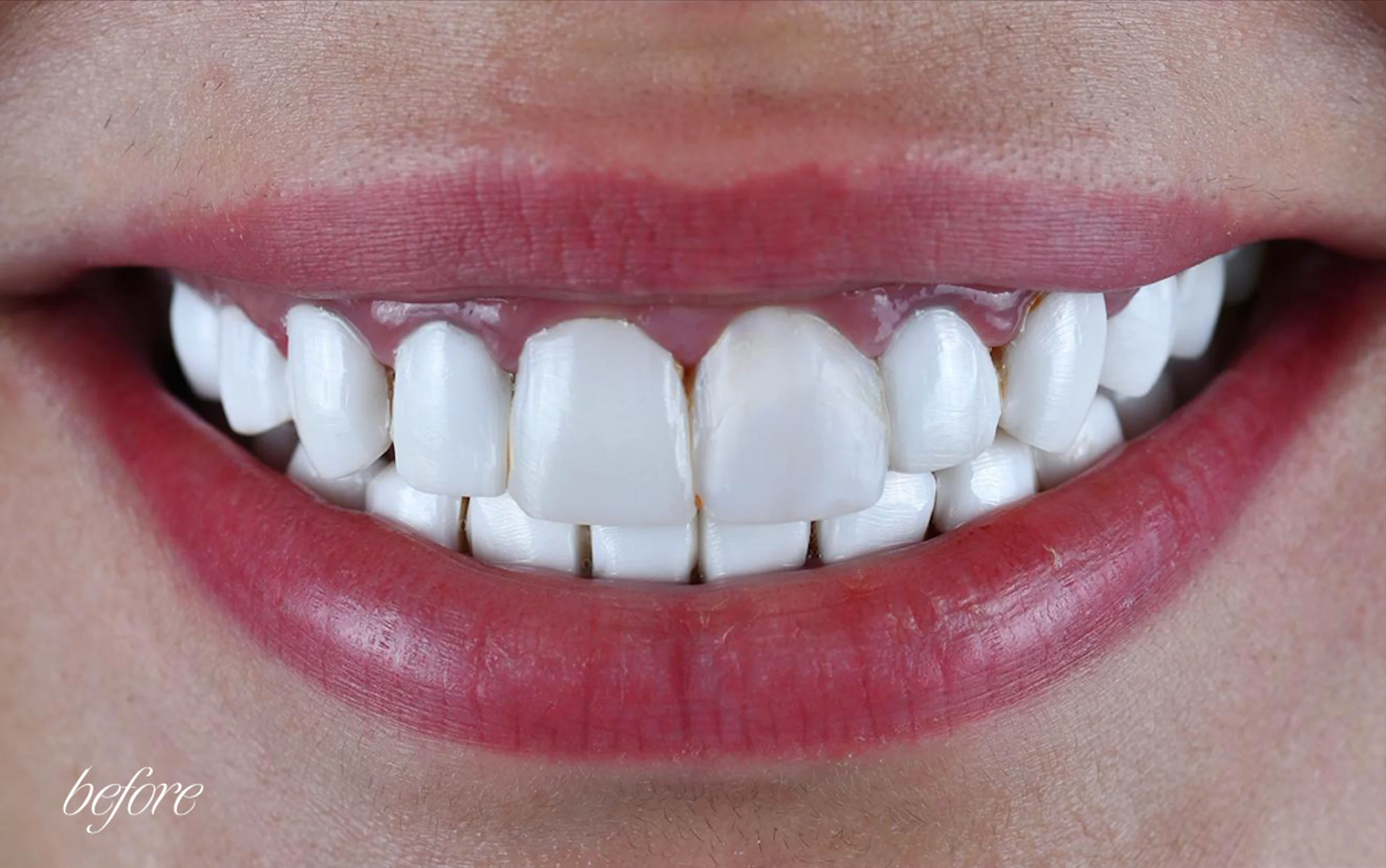
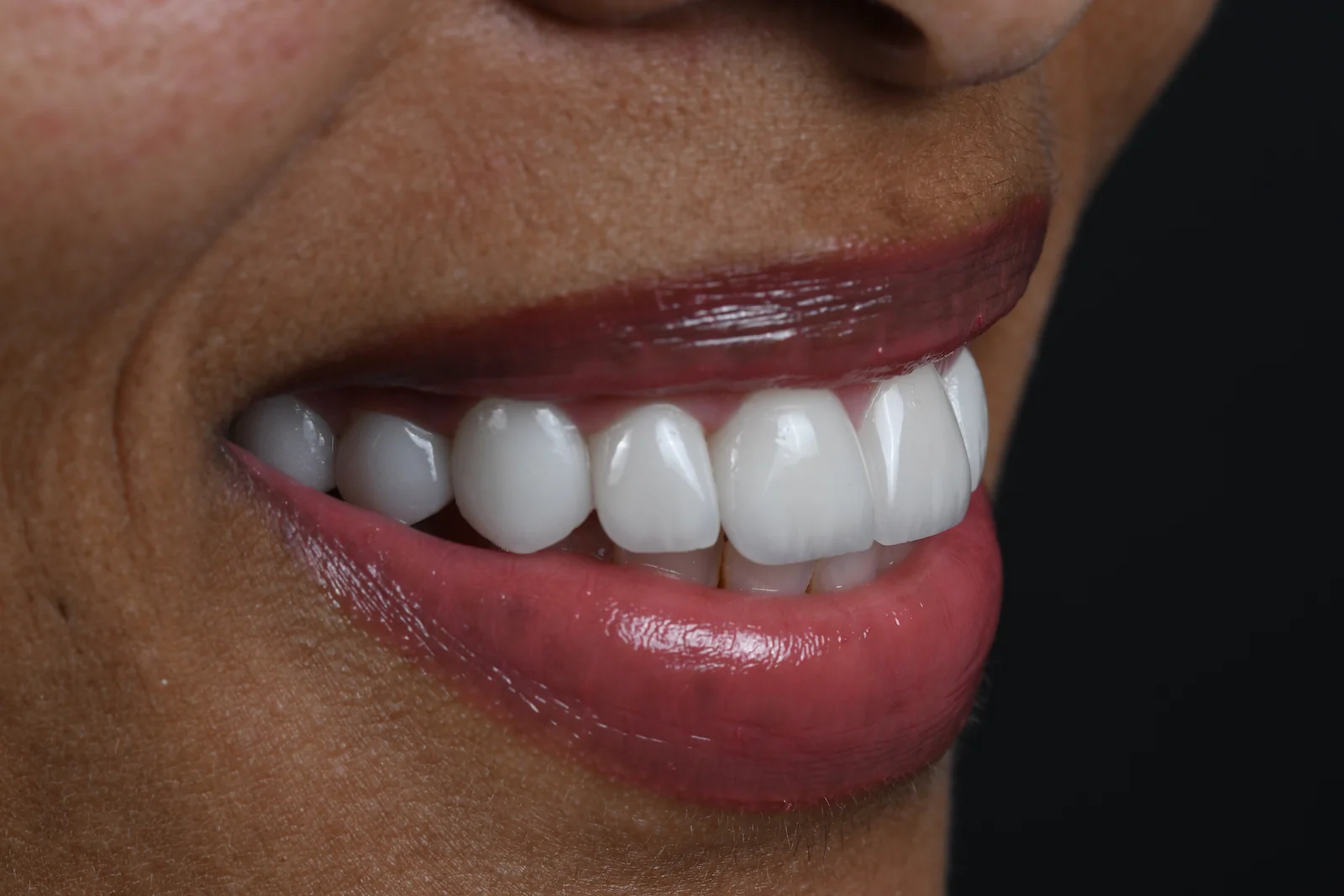
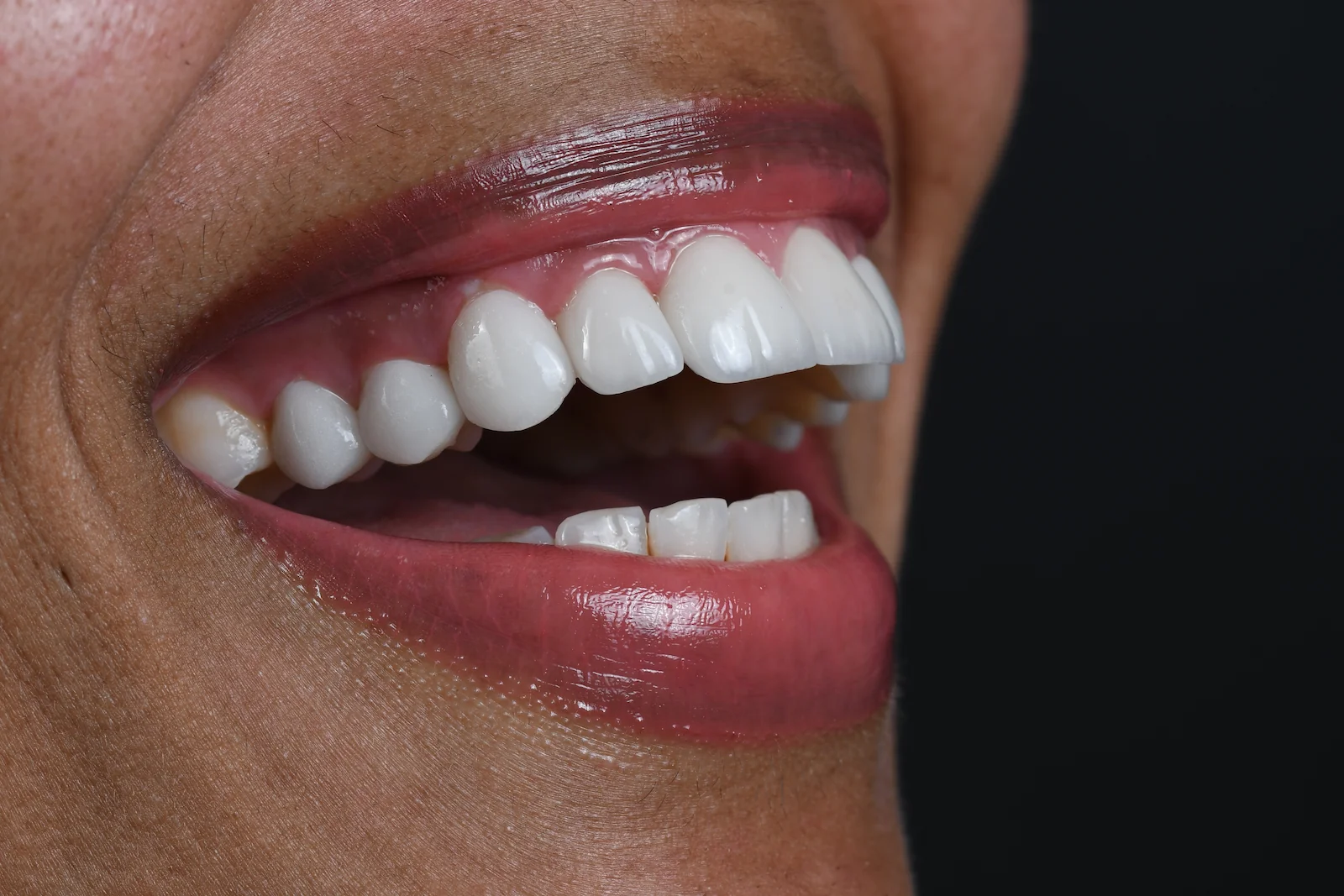
Look at the shape, shade and edges in this existing veneers case. Move the divider to explore the before and after.
Explore the full case gallery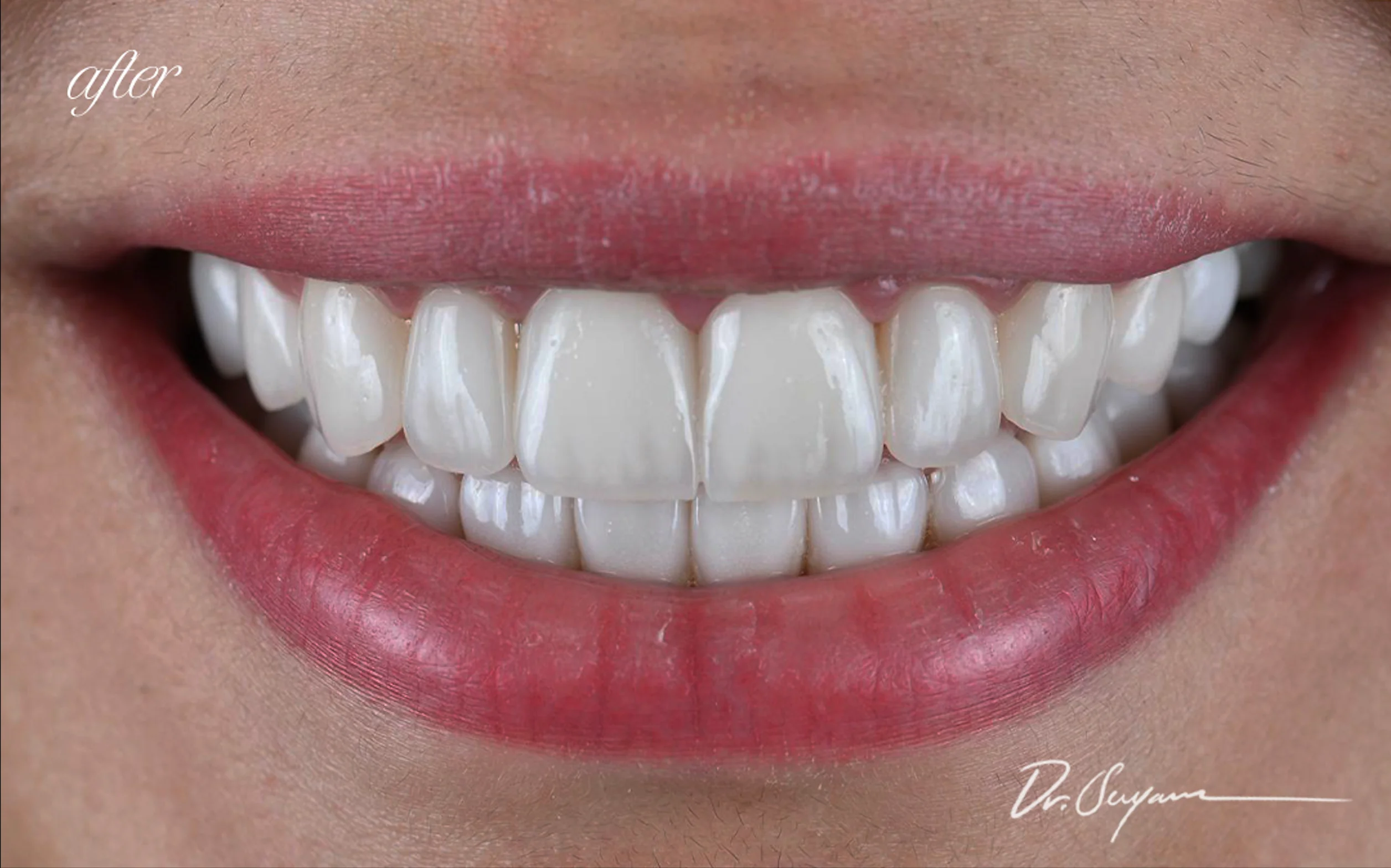
Veneers, in brief
Dental veneers are thin, custom-made restorations bonded to the front surface of teeth. Their purpose is simple: refine shape, symmetry and shade with a finish that still reads like enamel in real light. At Platinum, veneers are planned doctor-led — with bite assessment, shade mapping, and conservative preparation only when your case requires it.
Quick guidance
Best for
- Refining proportion, edge design, and smile symmetry
- Upgrading shade when whitening alone won’t achieve your goal
- Correcting small chips / wear and subtle irregularities
- Designed to look natural — translucency and texture, not a flat-white template
If your goal is simpler…
- Colour-only goals → whitening first
- Small edge refinements → bonding can be enough
- Spacing / bite foundations → aligners first for stability
- Options
- Porcelain veneers in feldspathic or E.max, ultra-thin veneers in selected cases, or composite bonding as a lighter alternative
- Your dentist
- Dr. Ahmed Wael Seyam, Cosmetic & Restorative Specialist
- Visits
- Usually 2 to 3 visits over about 2 to 3 weeks
- Preparation
- Minimal and case-dependent; where enamel is removed, the change is permanent
- Comfort
- Local anaesthetic when teeth need shaping
- While you wait
- Temporary veneers, where needed, while the porcelain is made
- Lifespan
- Porcelain often 10 to 15 years or more with good care
- Where
- 17th Floor, QIG Tower, Lusail, for patients across Lusail, Doha and Qatar
Casework
Real cases, curated — proportions, translucency, and how a smile reads in motion.
Case Gallery (Before & After)
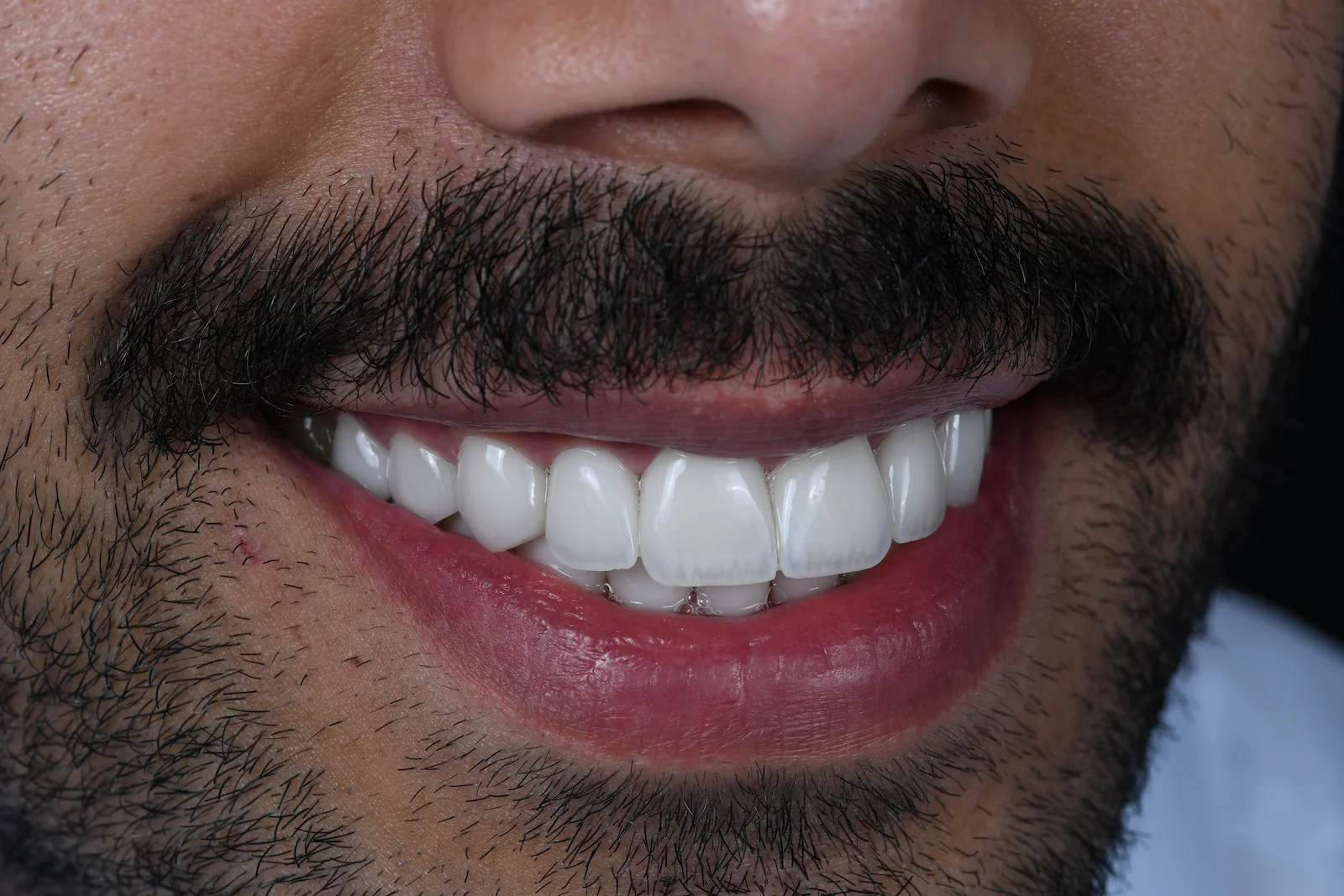
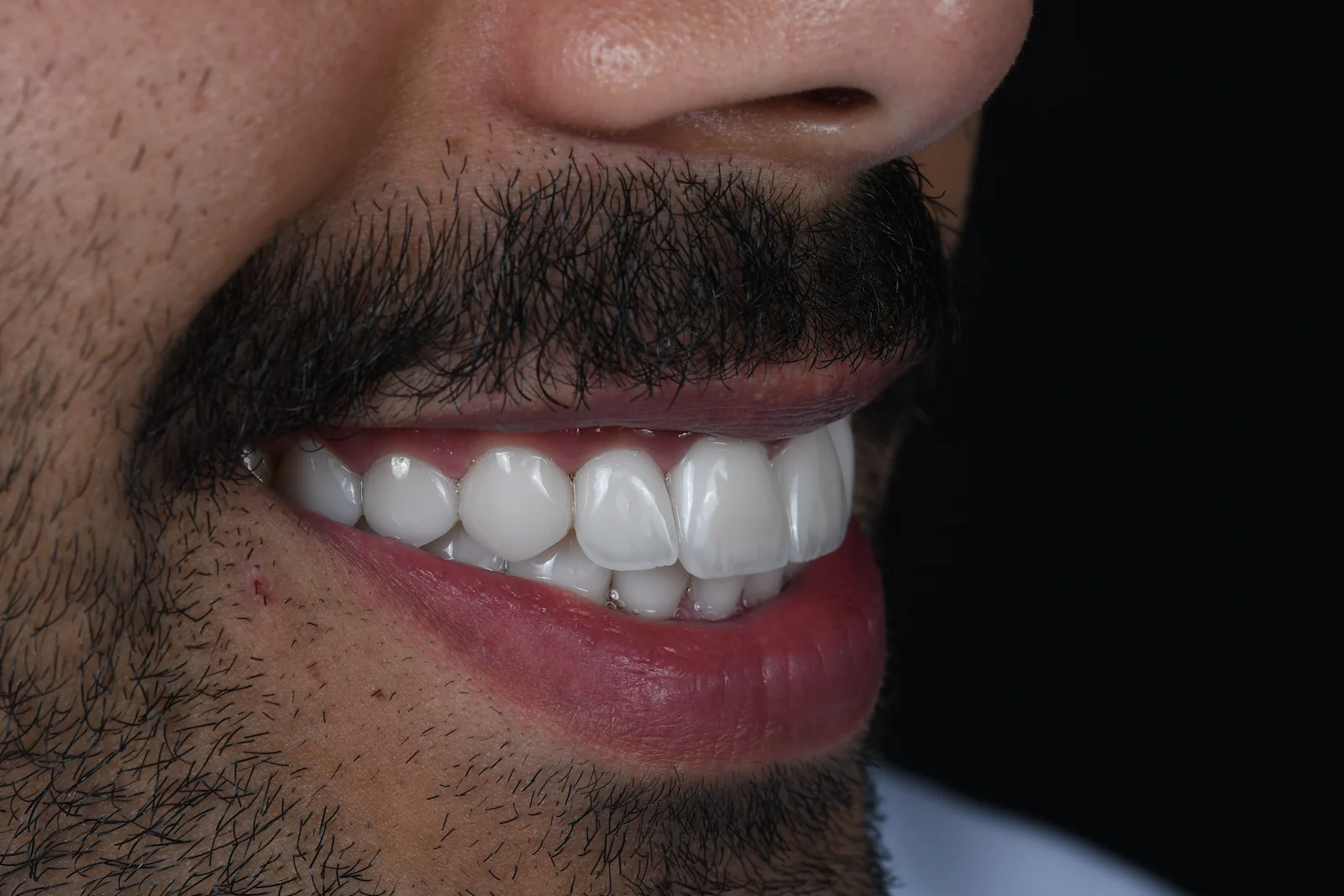
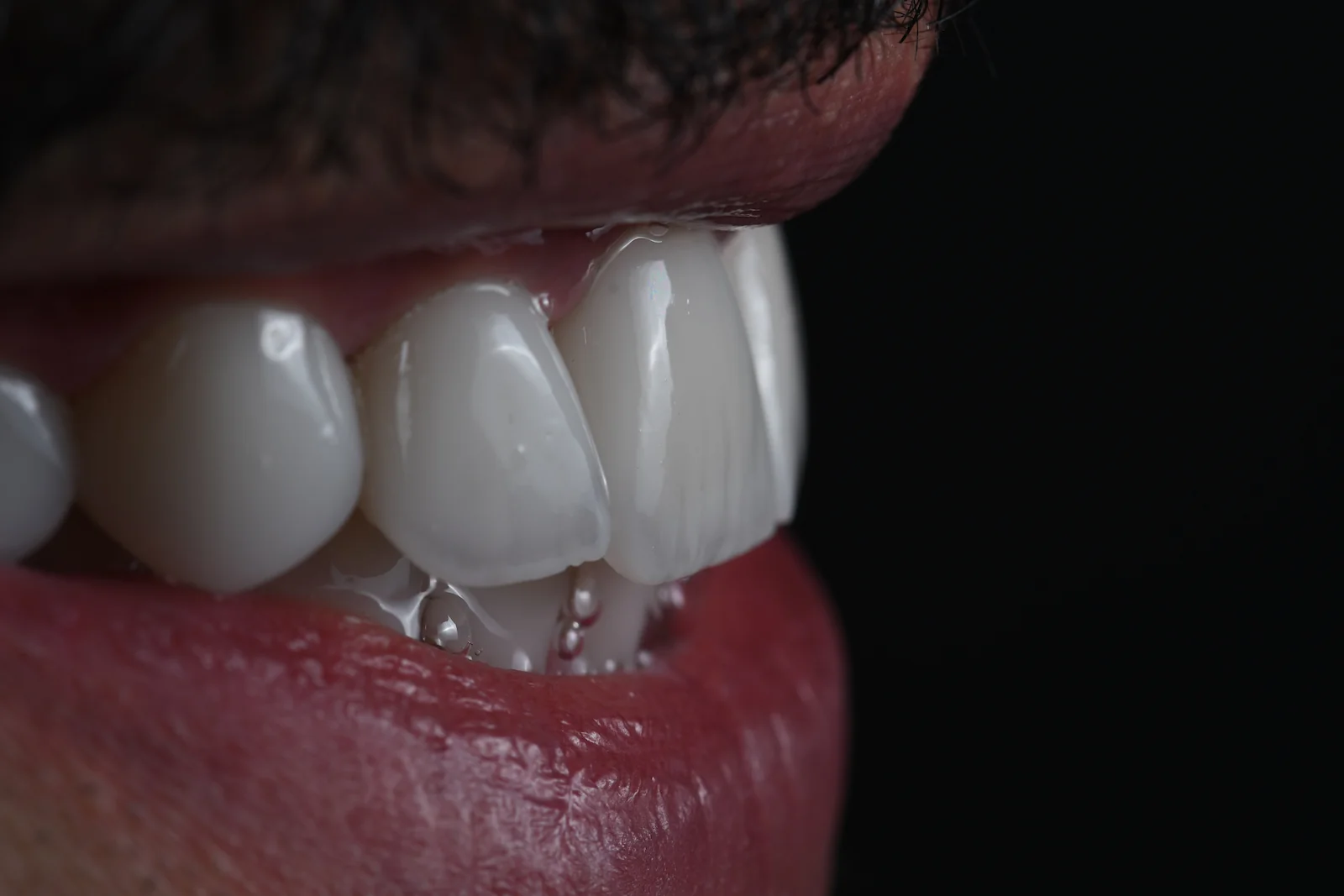
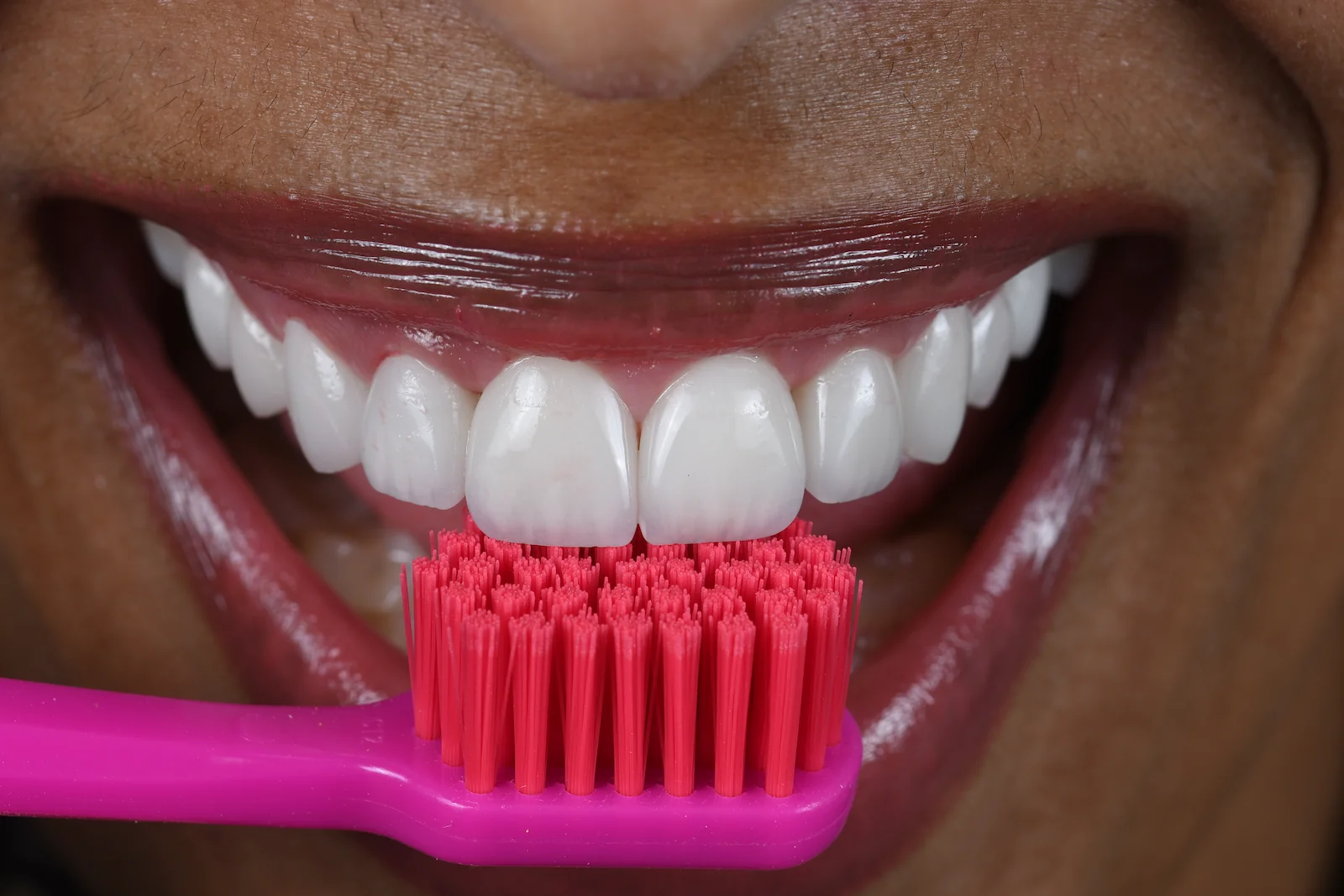
Veneers should look like your teeth — just refined. This is where the page earns trust: natural translucency, balanced proportions, and a finish that doesn’t shout.
Case 01
Natural translucency • Edge refinement
Proportions + polish — refined, not artificial
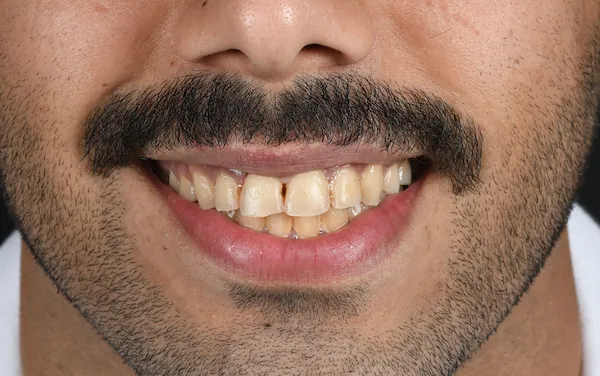
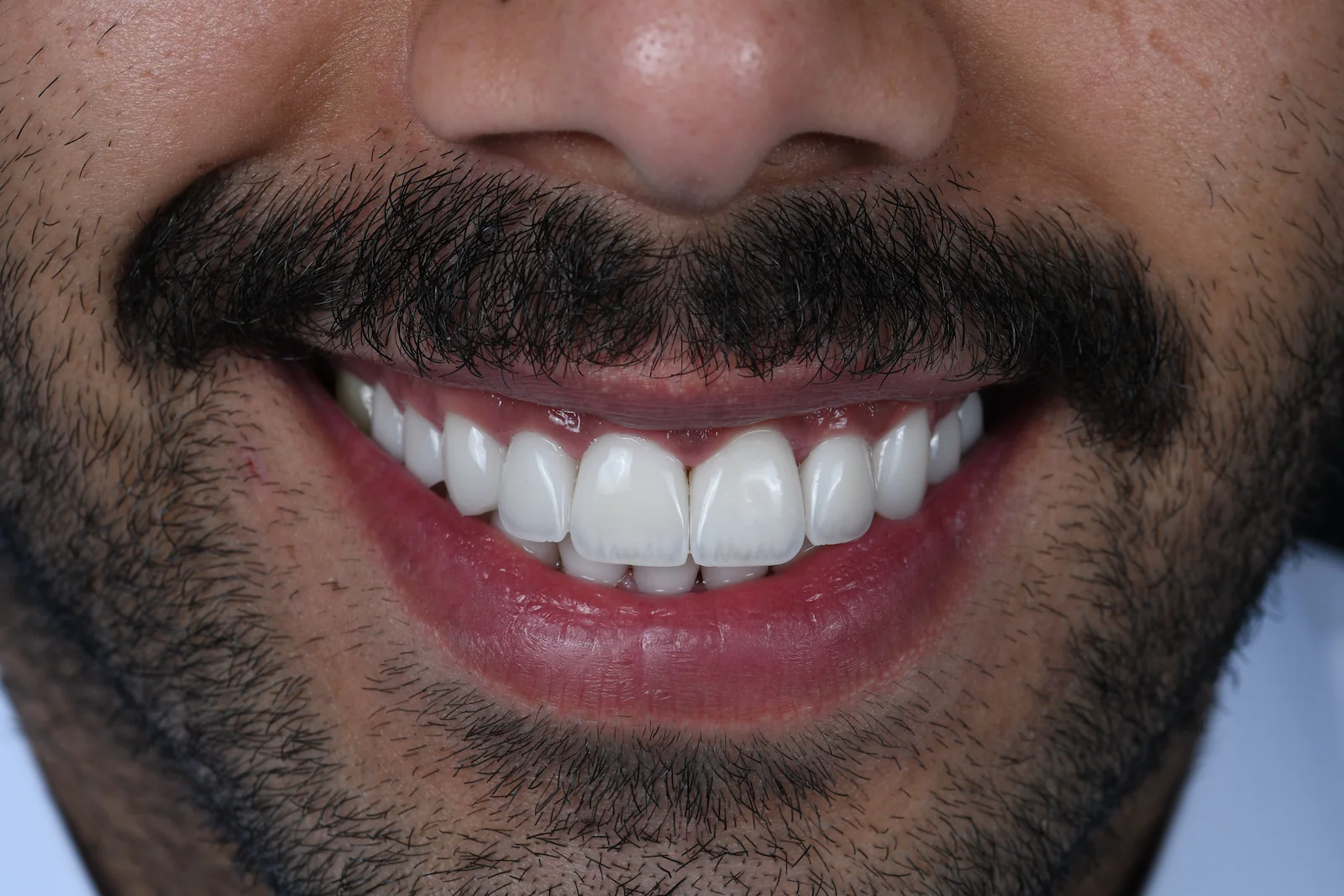
Case 02
Shade correction • “Not too white”
Brightness balanced to complexion + smile line
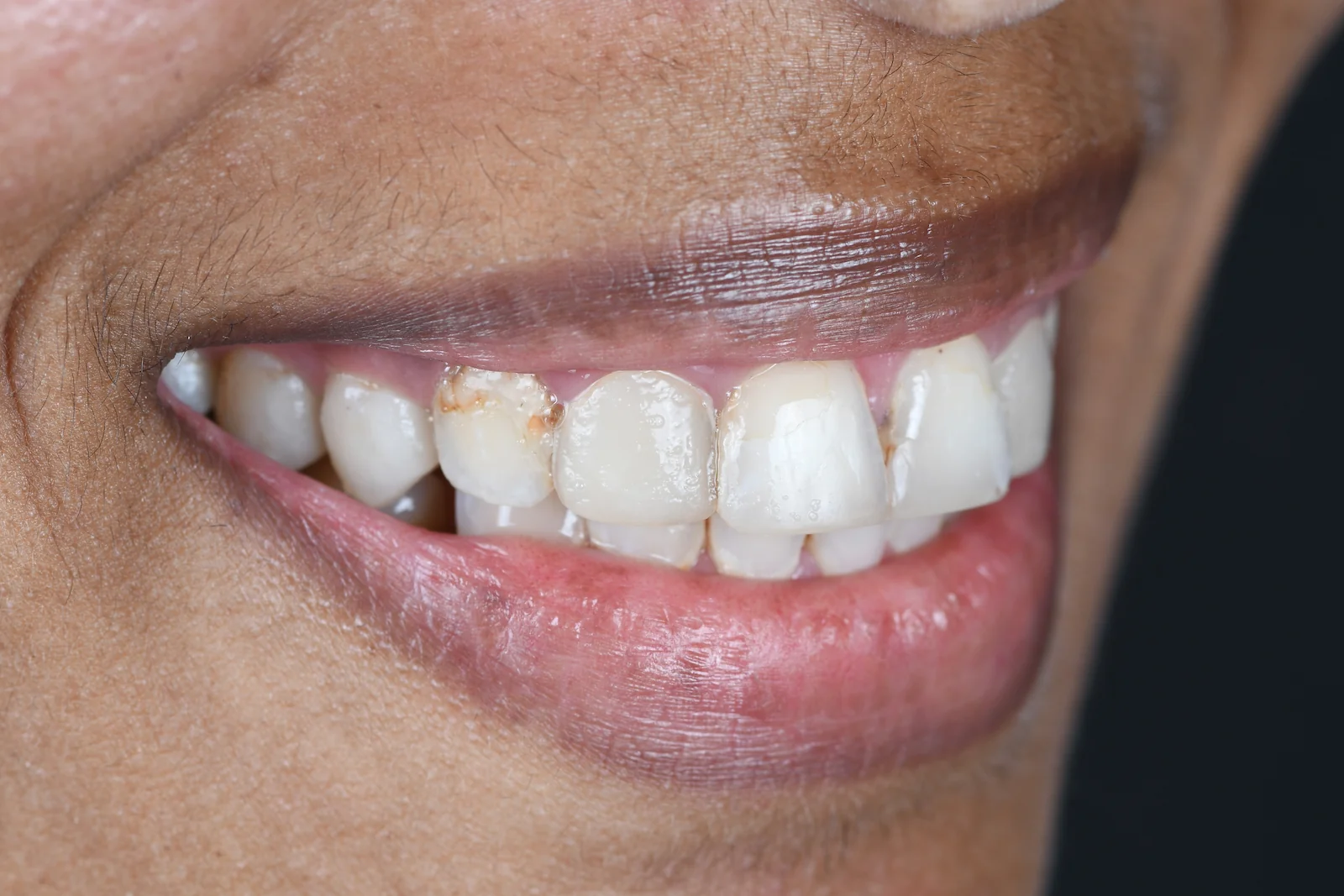
Case 03
Symmetry • Smile line harmony
Midline + contour refinement — calm confidence
See what’s realistic for my teeth
Videos
Real results are best seen in motion: how teeth catch light, how edges read in conversation, and how the smile sits naturally.
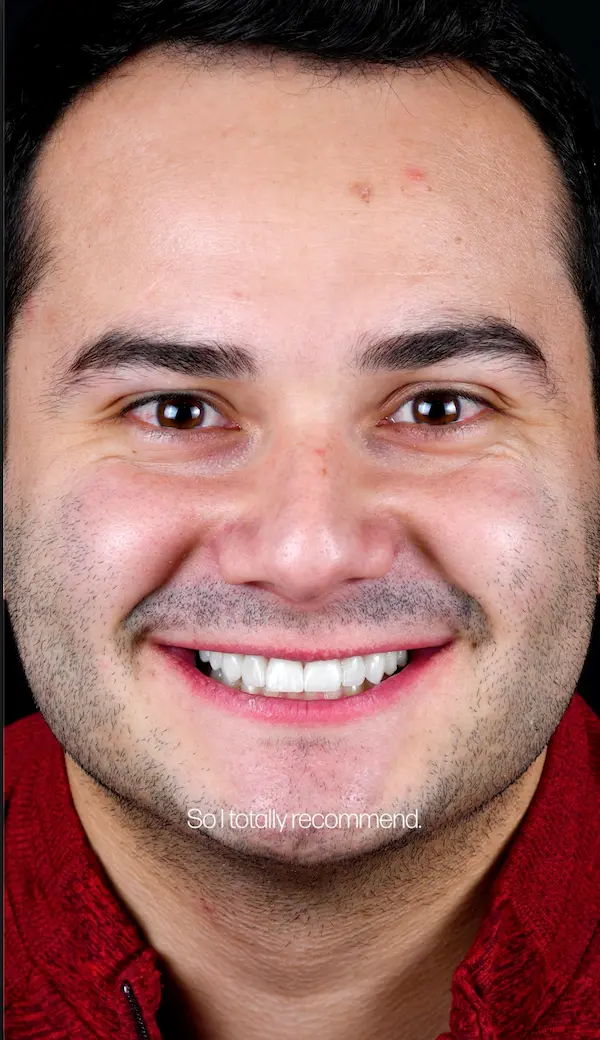
Patient story
Patient testimonial — veneers experience
Comfort • Natural smile • Real speech

Case video
Case 01 — veneers result
Real movement • Smile line • Speech • Light reflection

Case video
Case 02 — veneers result
Real movement • Smile line • Speech • Light reflection
Book a Veneers Consultation Ask about my smile on WhatsApp
The Platinum Craft
Veneers • Smile Design
Crafted, not copied. A premium veneer result is not “whiter” — it’s more believable. We design for harmony: proportion, translucency, surface texture and bite stability.
Our method
- Microscope-level detail — margins, texture, and finishing are refined where “natural” is decided.
- Doctor-led planning — bite assessment and shade mapping guide the safest route for your case.
- Conservative approach — preparation only when your anatomy requires it (no shortcuts that risk bulk).
- Natural under real light — daylight, conversation, and flash photography all matter.
Design cues
- Proportion-first — facial harmony and smile line before shade.
- Translucency & texture — lifelike light reflection, not a flat-white look.
- Enamel respect — conservative planning where suitable.
- Bite safety — forces and habits (grinding/clenching) inform the plan.
- Margins & hygiene — precision fit + maintenance to keep results refined.
Who Veneers Are For
Indications • Limits • Better alternatives
Veneers are not a shortcut — they’re a design tool. We assess enamel, gums and bite forces first, then choose the most conservative route that delivers a believable result. When whitening, bonding or aligners will look better and last longer, we recommend that instead.
Typically ideal for
- Staining that doesn’t respond to professional whitening
- Chipped edges, uneven contours, minor asymmetry
- Small gaps (case‑dependent) and proportion refinements
- Smile upgrades where shade + shape both matter
When we recommend alternatives
- Active gum inflammation → treat gums first for cleaner margins
- Significant grinding/clenching → bite planning + protection becomes essential
- Colour-only goals → whitening first
- Small edge refinements → bonding can be enough
- Spacing / bite foundations → aligners first for stability
- Compromised tooth structure → a crown may be safer
A Structured Plan
We start with what’s structural: enamel quality, gum health, and bite forces. Then we map proportion and shade, and choose the most conservative route that achieves your goal — veneers when they add real value, or an alternative when that’s better dentistry.
The Veneers Process (Step-by-Step)
Every plan is personalised, but most veneer journeys follow a clear sequence — assessment, design, and refined finishing.
-
Consultation
Smile goals, bite assessment, gum health and shade mapping — then we advise the most conservative route that fits your case.
-
Smile Design Preview
We plan proportions, tooth visibility and the finish direction — natural translucency, refined edges, and harmony with your face.
-
Preparation
If your case needs shaping, we keep it minimal — enough to avoid bulk, protect enamel, and create stable margins.
-
Try-In & Bonding
We confirm shade and shape in your smile, then bond with a protocol designed for strength, precision and a seamless margin.
-
Aftercare & Review
Hygiene guidance, bite checks and protective options when appropriate — so your result stays refined for years.
Veneer Types & Materials
The “best veneer” isn’t a brand — it’s the right material, thickness and bonding protocol for your enamel, bite forces and aesthetic goals. During consultation, we assess gum health, enamel quality and parafunctional habits (such as grinding/clenching) before recommending a plan. If a tooth is structurally compromised, a crown may be more appropriate.
Feldspathic porcelain — natural character
Feldspathic veneers are hand-layered porcelain restorations prized for how they handle light. When the goal is an undetectable result — the kind that looks natural in daylight, in conversation, and in close-up photos — feldspathic is often the material of choice in suitable cases. The beauty is not just shade; it’s the way the veneer is built: nuanced translucency, controlled opacity, surface texture, and edge design that reads like enamel.
- Known for: lifelike translucency, delicate layering, enamel-like surface character
- Best for: realism-first smile refinement where daylight/flash matters
- Design focus: edge design + micro‑texture so it doesn’t read “flat”
- Feel: can support an ultra‑conservative feel in selected cases (case‑dependent)
- Considerations: demands disciplined case selection; grinding/clenching increases risk
E.max (lithium disilicate) — strength with finesse
E.max (lithium disilicate) is one material option considered during veneer planning. Material choice does not remove the need for careful planning, maintenance and sensible biting habits. It’s an ultra-strong ceramic that supports stability under higher bite forces, while still allowing a refined, natural finish. Shade and translucency are designed to suit your features — including lip tone and complexion — so brightness looks intentional, not artificial.
- Known for: strength, stability, predictable performance
- Best for: higher bite forces or cases that need structural confidence
- Design focus: translucency + edge finishing for a natural read up close
- Feel: built for real life — eating and speaking normally with sensible habits
- Considerations: thickness/prep is case‑dependent; grinding/clenching still needs protection
Compare
Veneers, bonding or a crown?
Veneers are one of several ways to change how front teeth look. The right choice depends on how much change you want, how healthy the teeth are, and how long you want the result to last.
Porcelain veneers
- What it is
- A thin porcelain shell made by a dental laboratory and bonded to the front of the tooth
- Tooth preparation
- Minimal and case-dependent
- Visits
- Usually 2 to 3
- Lifespan
- Often 10 to 15 years or more
- Best for
- Changing shape, shade and symmetry together
Composite bonding
- What it is
- Tooth-coloured resin sculpted directly onto the tooth
- Tooth preparation
- Usually little or none
- Visits
- Often one
- Lifespan
- Often 5 to 7 years, with polishing and repairs
- Best for
- Small chips, gaps and edge refinements
Dental crown
- What it is
- A cap that covers the whole visible tooth
- Tooth preparation
- More, all the way around the tooth
- Visits
- Usually 2
- Lifespan
- Often 10 to 15 years or more
- Best for
- Weak, heavily filled or root canal-treated teeth
If colour is your only concern, teeth whitening may be enough, and crowded or spaced teeth are often better aligned first with Invisalign. Explore composite bonding and dental crowns, or read composite bonding compared with veneers.
Design Priorities
Before casework, we define the direction. These are the three priorities that decide whether veneers read like enamel — refined, not obvious.
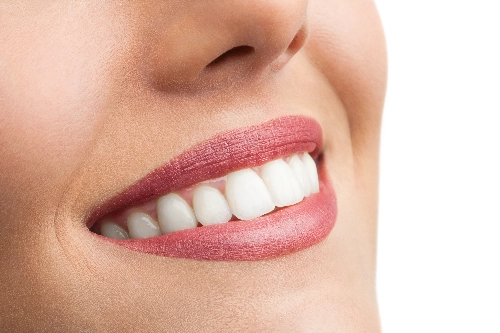
Proportion & Edge Design
We refine length, width and line angles so the smile sits naturally on your face — never bulky, never ‘template’.
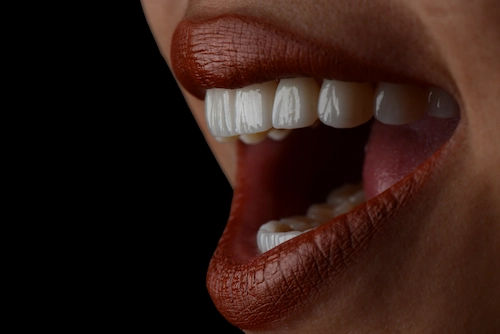
Shade, Translucency & Harmony
Brightness is planned to suit your complexion and lip tone. The goal is believable light — not a flat-white finish.
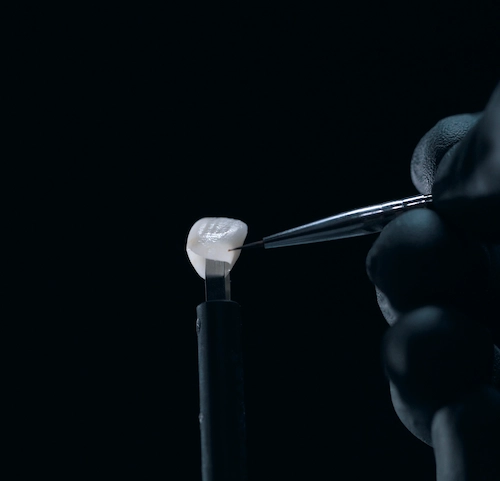
Texture & Light
Micro‑texture and finishing break up reflection so veneers read like enamel in daylight, under flash, and in motion.
Aftercare & Maintenance
Veneers are designed for real life — but longevity is protected by details: clean margins, stable bite forces, and sensible habits. We’ll guide you on hygiene, stain habits, and protection (including night guards in suitable cases) so the finish stays refined.
Daily ritual
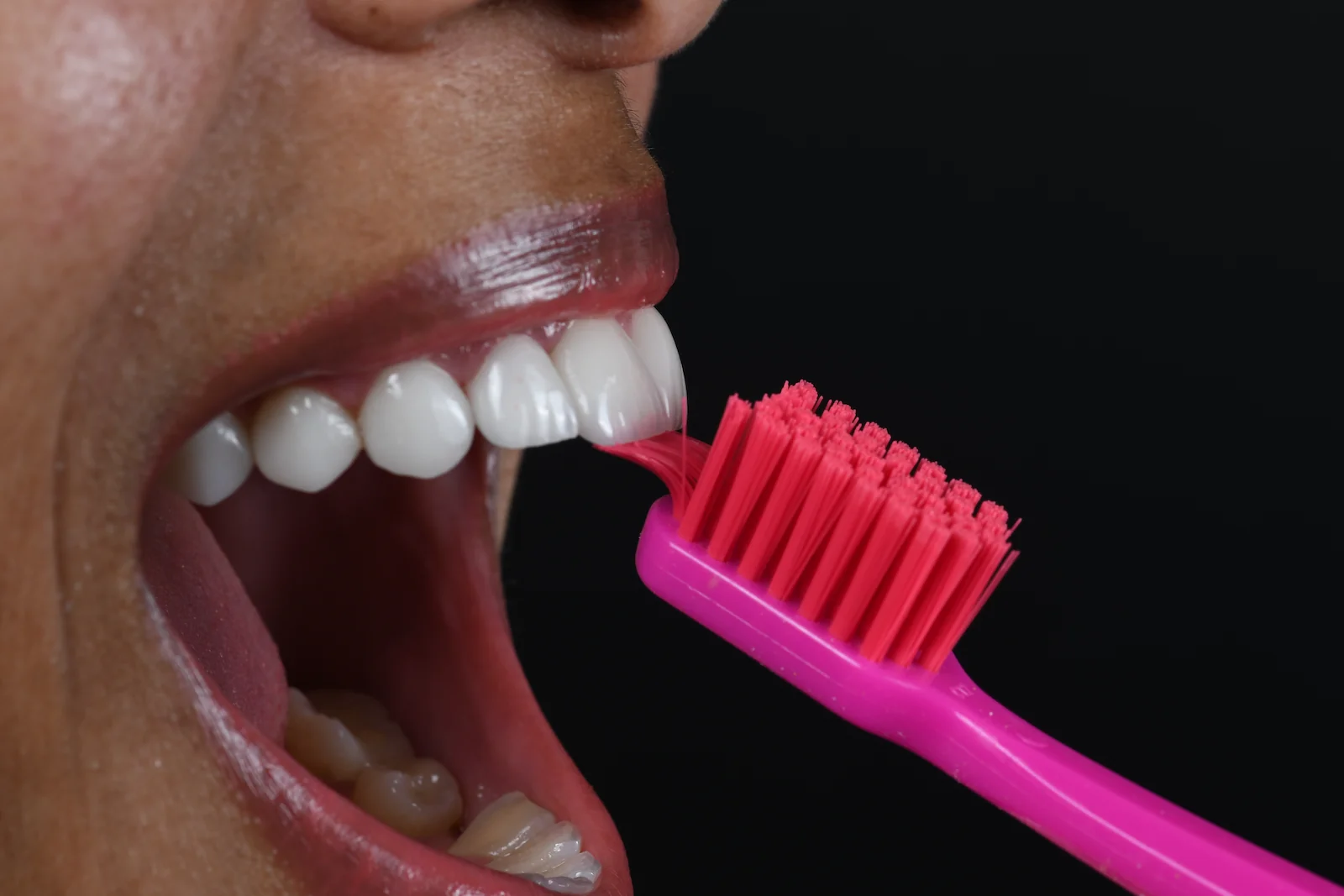
- Brush + interdental clean daily — margins matter
- Keep gums calm — bleeding/inflammation should be reviewed
- Rinse after coffee/tea/wine where possible to protect lustre
- If you clench/grind, ask us about protection options
Protect the finish
- Avoid using veneers as tools (packets, nails, ice)
- Hard “edge biting” habits increase chipping risk
- Schedule review + polishing when advised to keep the surface refined
- Any looseness, bite change, or sensitivity → book promptly
Book a Review / Protective Plan
Longevity
How long do veneers last?
Porcelain veneers often last 10 to 15 years or more, and many last longer with good care; composite veneers usually need polishing, repair or replacement sooner. How long yours last depends on your bite, habits such as grinding, the health of your gums and how well the edges are kept clean.
A veneer that chips or wears can often be repaired or replaced on its own, without redoing the whole smile. Regular reviews let small issues be polished or corrected early.
Safety
Risks and how they are managed
Veneers are a long-term commitment. Where enamel is removed, the change is permanent, so the veneers will need replacing at some point in the future. Some people notice temporary sensitivity to cold after preparation. Porcelain can chip or come loose, especially with grinding, clenching or biting hard objects, and gums that recede over time can reveal the edge of a veneer.
Careful planning keeps these risks low: checking the bite and gums first, preparing as little as possible, precise bonding, a night guard if you grind, and regular reviews. Your dentist explains the risks that apply to you before treatment.
Your treatment plan
What affects the cost of veneers in Qatar?
Veneers are planned individually, so the fee depends on what your smile needs. You receive a personalised treatment plan, including fees, after your smile assessment.
- How many teeth are treated, from a single veneer to the full smile line
- The material: feldspathic porcelain, E.max or composite
- Smile design planning and a preview of the new shape
- Any treatment needed first, such as whitening, gum care or aligners
- Temporary veneers while the porcelain is made
- A night guard, if you grind or clench
Insurance plans usually treat veneers as cosmetic, so check your policy before you start.
Your specialist
Your veneers dentist

Cosmetic & Restorative Specialist
Dr. Ahmed Wael Seyam
Dr. Ahmed plans and places veneers at Platinum, from a single veneer to a full smile design, with particular attention to natural shade, translucency and how the result looks in real light.
- European Master’s Degree, Universitat Internacional de Catalunya, Barcelona
- Bachelor’s Degree in Oral and Dental Medicine, Cairo University
- Advanced course in natural layering with composite, London, 2024
- At Platinum Medical Center in Lusail since 2022
Read more before your consultation
Veneers and teeth grinding: assessment, protection and alternatives.
Veneers FAQ
Porcelain veneers often last 10 to 15 years or more with good hygiene and routine reviews, while composite veneers usually need refreshing sooner. Longevity depends on bite forces, habits (like grinding), and how margins are maintained. Book an assessment and we’ll advise realistic lifespan and protection if needed.
Some veneer plans involve removing enamel, which is irreversible. Preparation, sensitivity risk and future replacement should be discussed before treatment. Ask whether whitening, bonding or orthodontics could meet your goal with less alteration.
It depends on how many teeth show when you smile and what symmetry you want. Some plans treat only the most visible teeth, while others balance the full smile line. Book an assessment and we’ll map the number of teeth that achieves the most natural result.
Not necessarily. Appearance depends on factors such as shade, shape, translucency, surface texture and fit. At your consultation, discuss the look you want and ask to see relevant case examples. Results vary, and photographs cannot guarantee the same outcome for another person.
They can — if shade, translucency, and surface texture are not planned properly. Flash exaggerates flat colour, bulky edges, and overly opaque ceramics. Book a smile assessment and we’ll plan translucency + texture so your veneers read like enamel in photos.
They should not feel bulky when designed correctly, but some people feel a short adjustment period. Bulkiness usually comes from over-contoured edges or insufficient planning for space. Book a review and we can assess contours, bite, and refine the finish if needed.
They can slightly influence lip support — especially if the plan adds volume or changes tooth length. The goal is subtle harmony, not pushing lips forward unnaturally. Book an assessment and we’ll design proportions and lip support to suit your face and smile line.
Some people feel temporary sensitivity, especially if conservative preparation was needed. Persistent sensitivity can indicate bite stress, margin issues, or underlying tooth problems. Book an assessment and we’ll check bite, margins, and tooth health and guide the safest fix.
Yes — with sensible habits. Veneers are designed for normal eating, but hard biting habits (ice, nails, opening packets) increase chipping risk. Book a consultation and we’ll advise maintenance and protection if you clench or grind.
They should not when margins are designed and bonded precisely. A visible line is more often linked to margin position, gum recession, or staining at the edge over time. Book a review and we’ll assess gum health, margins, and polishing options to keep the finish seamless.
Neither is universally “better” — the best choice depends on your case. Feldspathic is often chosen for maximum translucency and delicate aesthetics, while E.max is often chosen when added strength and stability matter. Book an assessment and we’ll recommend the safest option based on enamel, bite forces, and your goal.
No — they’re only suitable for select smiles. Many cases still need conservative shaping to achieve natural contours and stable margins. Book a consultation and we’ll confirm whether minimal-prep is realistic for your anatomy and bite.
Most steps are comfortable with appropriate measures. When preparation is needed, it’s planned conservatively and done under local anaesthetic. Book an assessment and we’ll explain exactly what your case requires and what you’ll feel.
Porcelain veneers usually take 2 to 3 visits over about 2 to 3 weeks: assessment and smile design, preparation with temporary veneers where needed, then try-in and bonding. Timing depends on case complexity, number of teeth, and planning detail. Book a consultation and we’ll give you a clear timeline for your specific plan.
The fee depends on how many teeth are treated, the material chosen, and any treatment needed first, such as whitening, gum care or aligners. You receive a personalised treatment plan, including fees, after your smile assessment.
Porcelain veneers are generally stain-resistant. However, surrounding natural teeth can change shade and surface lustre can dull with certain habits. Book a review and we’ll check margins, polish, and maintenance to keep the result refined.
Veneers are designed to bond securely, but detachment can happen in some cases. Risk increases with decay, heavy bite forces, trauma, or compromised bonding/margins. If anything feels loose, book an urgent check and we’ll assess fit, bite, and re-bond or replace if needed.
Well-designed veneers should not significantly affect speech. Some people notice a short adjustment period as the tongue adapts to new surfaces and edges. If speech feels off, book a review and we can refine contours or edges to restore comfort.
Yes — in the right case, a single veneer can be done. The challenge is matching shade, translucency, and texture so it blends seamlessly with neighbouring teeth. Book an assessment and we’ll advise whether one tooth or a small set will look most natural.
Not always — it depends on your tooth position and the amount of change needed. Some cases allow minimal-prep, while others need conservative shaping to avoid bulk and to create stable margins. Book a consultation and we’ll explain the least-prep approach that still delivers a believable result.
Veneers are typically considered a long-term restoration. If preparation was done, you cannot fully return to the original surface, but veneers can be replaced when needed. Book an assessment and we’ll explain long-term maintenance, replacement expectations, and alternatives if reversibility matters to you.
“Lumineers” is a brand commonly marketed as ultra-thin or “no-prep” veneers. In reality, veneer thickness and preparation should be case-dependent — the label is less important than fit, bite, and design. Book a consultation and we’ll advise what’s safest and most natural for your smile.
Veneers themselves do not usually cause bad breath. Odour is more commonly linked to plaque buildup, gum inflammation, trapped food at margins, or existing decay. Book an assessment and we’ll check gum health and veneer margins and guide you on maintenance.
Grinding/clenching increases stress on veneers and can affect longevity. Veneers may still be possible, but bite planning and protection become essential. Book an assessment and we’ll evaluate forces and advise whether a guard or alternative plan is best.
Yes, chipping can occur depending on bite forces and habits. Minor issues may be smoothed or repaired, while larger fractures may require replacement. Book a review and we’ll assess damage, check the bite, and recommend the most conservative fix.
Veneers are often chosen when the tooth is healthy enough for a front-surface restoration. Crowns may be recommended when a tooth is structurally compromised or needs full coverage for strength. Book an assessment and we’ll advise the safest option for function, longevity, and aesthetics.
Shade is selected to suit your complexion, lip tone, and natural translucency. The most premium results prioritise believable brightness over a single “ultra-white” shade. Book a consultation and we’ll guide shade selection with a natural, proportion-first plan.
Yes — if colour is the main concern, whitening may be the best first step. Veneers are typically considered when stains are resistant to whitening or when shape and symmetry also need refinement. Book an assessment and we’ll recommend the most conservative route that meets your goal.
“Hollywood smile” describes an overall smile goal rather than one treatment. Depending on your teeth, gums, bite and priorities, the discussion may include whitening, composite bonding, orthodontics or veneers. Veneers are not necessary for every smile change.
Read more on our Hollywood smile page: whitening, bonding, aligners and veneers, and the order they go in.


