


Assessment & imaging
We assess the tooth, gums and surrounding structures, then use imaging when indicated to plan safely — especially for wisdom teeth, roots near nerves, or complex anatomy.
Comfort first. Precision always.
Oral surgery covers procedures that require surgical planning — from complex extractions and wisdom teeth removal to selected soft-tissue and supportive surgical steps. We prioritise calm care, clear guidance, and structured aftercare.
The essentials
Oral surgery at Platinum Medical Center in Lusail is led by Dr. Ahmad Fawaz Saad, an oral and maxillofacial surgeon. It covers wisdom teeth removal, the surgical extraction of broken or buried teeth and roots, the exposure of buried teeth for orthodontic treatment, and preparing the jaw for dental implants. Every case starts with an examination and, where needed, a panoramic or 3D X-ray to plan around nerves, sinuses and neighbouring teeth. Most procedures are done under local anaesthetic, with sedation available for selected cases, and most people are back to their normal routine within a few days to a week.
Our approach
Every case starts with assessment — symptoms, gum health, bite forces, and imaging when indicated.
Sometimes the safest plan is surgical; other times a stabilising step in general dentistry or gum care may come first. If your concern is a straightforward removal, see tooth extractions.
Explore dental imaging and scan options used when clinically indicated.
Procedures
These are the procedures your surgeon plans and carries out most often.
We assess the tooth, gums and surrounding structures, then use imaging when indicated to plan safely — especially for wisdom teeth, roots near nerves, or complex anatomy.
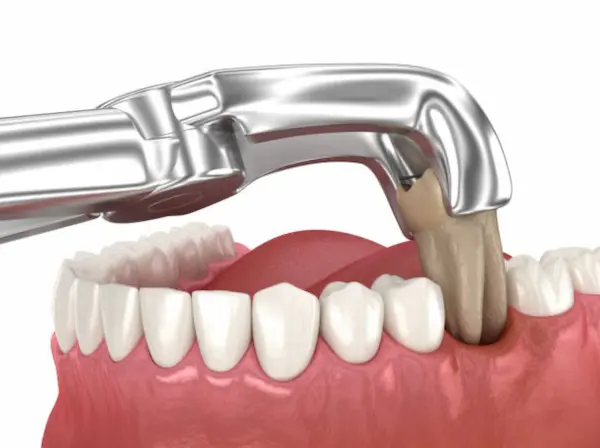
When a tooth is impacted, broken, or difficult to access, a surgical extraction may be recommended. The goal is safe removal with controlled technique and calm aftercare.
Wisdom-tooth removal may be considered when there is recurrent infection, decay, pain or other disease. Teeth without problems can often be monitored. Assessment considers the tooth’s position, symptoms and any imaging needed, together with the benefits and risks of removal.
In selected orthodontic cases, a tooth may require surgical exposure to help it erupt or be guided into position. Your team will coordinate timing and aftercare.
Oral surgery can support implant planning — including extraction sequencing and site preparation when needed. Your doctor will advise whether your case should be staged for stability.
Aftercare is part of the result. We guide you on diet, hygiene, swelling control, and what to avoid — plus when to return if pain or swelling increases.
Related care: dental implants, dental crowns, clear aligners and dental braces.
Wisdom teeth
Many wisdom teeth never cause trouble. The decision rests on symptoms, position and what the X-ray shows.
Repeated infection of the gum over a part-erupted tooth, decay in the wisdom tooth or the tooth in front, damage to a neighbouring tooth, a cyst, or pain that keeps returning.
A wisdom tooth that has come through fully, can be cleaned and causes no symptoms can usually stay, with a check at your routine visits.
Lower wisdom teeth sit close to the nerve to the lip and chin. When the roots are close, a 3D X-ray shows the safest way to remove the tooth.
Compare
How a tooth is removed depends on where it sits and the shape of its roots.
Good oral surgery is planned before it begins: the right images, a clear plan and calm aftercare.
The visit
From the first consultation to your review, here is what to expect.
 First visit
Your surgeon examines the area, asks about your symptoms, health and medicines, and takes a panoramic or 3D X-ray if needed to see the roots, nerves and sinuses.
You hear what the procedure involves, the benefits and risks, the alternatives, and whether local anaesthetic alone or sedation suits you.
 About 20 to 60 minutes
The area is numbed fully before anything starts. You may feel pressure but should not feel pain. Stitches, if used, usually dissolve.
 The first 3 days
Bite on gauze for the first hour, use cold packs on the first day, eat soft food and sleep with your head raised. Avoid smoking, spitting and straws for at least 2 to 3 days.
Your surgeon checks the healing, removes stitches if needed and plans any next step, such as an implant or orthodontic treatment.
Recovery
Some bleeding and discomfort are normal at first. Cold packs, rest and soft, cool food help.
Swelling and jaw stiffness usually peak, then begin to ease. Warm salt-water rinses start after the first day.
Most people feel back to normal. The gum closes over the next few weeks and the bone heals over a few months.
Call us if pain or swelling increases after the third day, if bleeding does not stop with pressure, or if you have a fever.
Planning in Qatar
A little planning makes recovery easier.
Suitability
Usually suitable
Tell your surgeon first
Never stop a prescribed medicine on your own; your surgeon will coordinate with your doctor if needed.
Safety
Swelling, bruising, discomfort and some bleeding are expected and settle over days. Dry socket, a painful socket 2 to 4 days after an extraction, is more common in smokers. Infection is uncommon. After lower wisdom teeth, the lip, chin or tongue can feel numb or tingly for a while; this usually recovers, and lasting change is rare. Removing upper back teeth can rarely open a small connection to the sinus, which is usually repaired at the time.
Imaging before surgery, careful technique, sterile instruments, written aftercare and a review visit keep these risks low. You leave with a number to call if anything worries you.
Your plan
Oral surgery is planned around your case, so the fee depends on what is needed. You receive a clear plan, including fees, after your assessment.
Many insurance plans cover part of oral surgery, such as wisdom teeth removal, so it is worth checking your policy.
Your consultation
Ask what happens if you wait, and what signs would change the plan.
Ask how close the roots are to the nerve or sinus, and how that shapes the surgery.
Ask which suits your procedure and how you feel about treatment, and what sedation involves.
Ask how many days to keep free, what to eat, and when to come back.
Your specialist
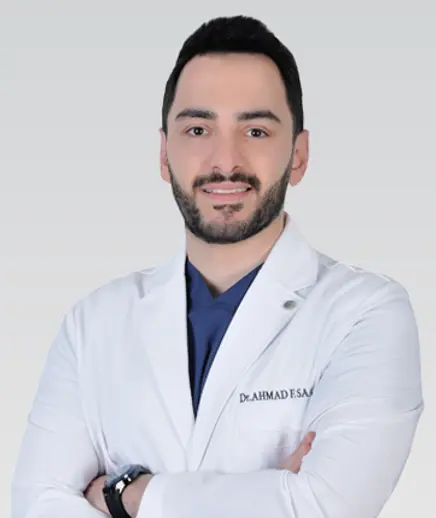
Oral & Maxillofacial Surgeon
Dr. Ahmad assesses, plans and carries out oral surgery at Platinum, from wisdom teeth and surgical extractions to implant site preparation, and works with your orthodontist or restorative dentist when a case involves them.
Questions
An oral surgeon treats problems of the teeth, jaws and mouth that need surgery, such as impacted wisdom teeth, broken teeth and roots, buried teeth and preparing the jaw for implants.
When they cause repeated gum infection, decay, damage to the tooth in front, a cyst or pain that keeps returning. Healthy wisdom teeth that cause no problems can often be monitored.
No. A wisdom tooth that has come through fully, can be cleaned and causes no symptoms can usually stay.
The area is numbed fully, so you feel pressure but not pain during the procedure. Soreness afterwards is usually manageable and eases over a few days.
Swelling usually peaks at 2 to 3 days, and most people feel back to normal within about a week. The gum closes over the next few weeks.
Most procedures are done under local anaesthetic while you are awake and comfortable. Sedation is available for selected cases and for anxious patients.
The removal of a tooth that is broken, buried or hard to reach, through a small opening in the gum, sometimes dividing the tooth into pieces. Stitches are often used.
A painful socket 2 to 4 days after an extraction, when the blood clot is lost. Avoiding smoking, spitting and straws for the first days lowers the risk.
Soft, cool food such as yoghurt, soup that is not hot, eggs and mashed food for the first few days. Avoid crunchy, spicy and very hot food until the area heals.
Many people take 1 to 3 days off, depending on the procedure and their work. Your surgeon will tell you what to expect for your case.
After lower wisdom teeth, the lip, chin or tongue can feel numb or tingly for a while. This usually recovers; lasting change is rare. A 3D X-ray helps plan around the nerve.
A small procedure that uncovers a buried tooth, often a canine, so braces can guide it into place. It is planned with your orthodontist.
Usually yes. A panoramic or 3D X-ray shows the roots, nerves and sinuses so the surgery can be planned safely.
The fee depends on the procedure and its complexity, the number of teeth, imaging and sedation. You receive a clear plan, including fees, after your assessment.
Further reading
Private consultation
Prefer guidance? Book a consultation and we’ll recommend the safest approach — extraction, wisdom tooth removal, or a staged surgical plan designed for comfort and stability.

Doctor-led dentistry, dermatology & aesthetics — crafted in Lusail with calm precision.


