


PRF for Skin Quality
PRF is commonly used to support skin quality — hydration, glow, and a healthier-looking finish — with a natural, refinement-first philosophy.
UsuallyFace, neck and hands, often as a course
Regeneration, refined — slow-release support.
PRF uses a preparation derived from your blood, but that does not make it suitable for every skin, under-eye or scalp concern. Your consultation at Platinum Medical Center in Lusail should establish the concern, discuss the proposed preparation and explain the evidence, limitations and alternatives.
The essentials
Platelet-rich fibrin (PRF) is prepared from a small sample of your own blood, spun gently without additives so that platelets, white cells and growth factors stay together in a soft fibrin gel. Injected into the skin or the scalp, or applied during microneedling, it releases these factors slowly over several days to support skin quality, thin skin under the eyes and, in selected cases, thinning hair. At Platinum Medical Center in Lusail, your dermatologist first checks what is behind the concern; results build gradually over a course, usually 3 sessions about 4 to 6 weeks apart.
Our approach
PRF (Platelet-Rich Fibrin) is prepared from a small blood draw and processed to concentrate platelets and growth factors within a fibrin matrix.
Because it’s derived from your own blood, it’s often positioned as a natural option in regenerative aesthetics. Your clinician will explain how PRF is prepared at Platinum and what to expect from your plan.
PRF uses a preparation derived from your blood, but that does not make it suitable for every skin, under-eye or scalp concern. Your consultation at Platinum Medical Center in Lusail should establish the concern, discuss the proposed preparation and explain the evidence, limitations and alternatives.
What it helps
PRF works on the quality of the tissue rather than its shape. These are the concerns it is chosen for.
PRF is commonly used to support skin quality — hydration, glow, and a healthier-looking finish — with a natural, refinement-first philosophy.
UsuallyFace, neck and hands, often as a course
In selected cases, PRF may be used around the under-eye area to support tissue quality. Suitability depends on anatomy, skin thickness, and the type of concern (hollowing vs pigmentation vs laxity).
UsuallyThin, crepey under-eye skin
In selected cases, PRF may be incorporated into scalp protocols alongside broader planning. Your clinician will advise what makes sense for your pattern and goals.
UsuallyPart of a wider hair loss plan
Applied during microneedling, PRF supports the healing that smooths texture and shallow acne scars.
UsuallyWith microneedling
Dark circles from pigment or puffiness, and hollows that need volume, usually need other treatment. Your doctor explains what is behind yours first.
How it works
PRF is made at your appointment, from your own blood, and used within minutes.
A small amount of blood is drawn from your arm, as for a routine blood test.
The tubes are spun gently for a few minutes. Without additives, the platelets and white cells stay in a liquid fibrin layer that slowly turns to gel.
Placed with fine injections or during microneedling, the fibrin holds the growth factors and releases them over several days.
Compare
Both PRF and PRP are derived from your blood, but they can differ in preparation method and clinical handling.
Your clinician will advise which option better matches your goal and treatment area. Some plans combine PRF with boosters or microneedling.
PRF works with your own healing, so its results are gradual and natural.
The visit
From the first consultation to maintenance, here is what to expect.
 First visit
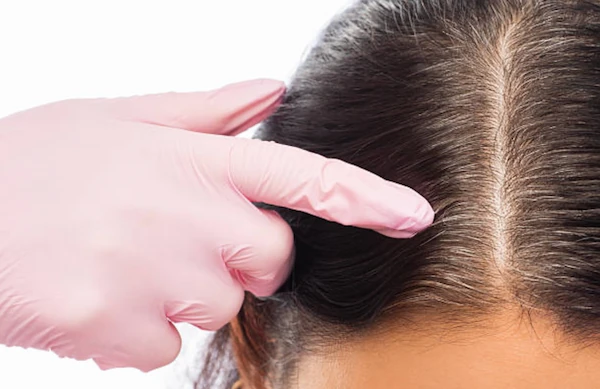
Your doctor examines the skin, under-eye area or scalp, asks about your health and medicines, and explains whether PRF suits the concern, what it can and cannot change, and the alternatives.
Drink water and eat normally. Avoid alcohol the day before. Tell your doctor about blood-thinning medicines, painkillers and supplements that make you bruise more easily; never stop a prescribed medicine on your own.
A small sample is drawn from your arm and spun for a few minutes while numbing cream works on the treatment area.
 About 20 to 30 minutes
Your doctor places the PRF with fine injections or a cannula, or applies it during microneedling. Most people feel light pricks and pressure.
 The first two days
Redness, swelling and small bruises settle within 1 to 3 days. Avoid make-up for about 12 hours, and saunas, strenuous exercise and facial massage for a day or two.
Results
The skin looks fresher and more even as the first session takes effect.
The fuller effect on texture, fine lines and under-eye skin builds over 1 to 3 months after the last session.
A session every 6 to 12 months keeps the result. Hair plans have their own review points.
PRF supports your own repair, so results vary with age, skin, health and lifestyle, and a fixed result cannot be promised.
Skin in Qatar
Heat, strong sun and air conditioning dry the skin, and healing skin needs extra care in the first days.
Suitability
Usually suitable
Wait, or choose another option
No one under 18 is treated.
Safety
Because PRF comes from your own blood, allergic reactions are not expected, but it is not risk-free. Redness, swelling, tenderness and small bruises are common and short-lived; some people feel faint during the blood sample. Uncommonly, small lumps or infection can occur.
Sterile, single-use tubes and needles, careful technique, your blood handled only for you and used at once, and written aftercare keep these risks low. Report increasing pain, redness or swelling promptly.
Your plan
PRF is planned around your concern, so the fee depends on the areas and the course. You receive a personalised treatment plan, including fees, after your assessment.
Insurers usually treat PRF as cosmetic, so check your policy.
Your consultation
They involve different preparation approaches. Ask what preparation is proposed and why it fits the assessed concern.
No. Discuss bruising, bleeding, infection, suitability and the risks of the proposed procedure.
No. The cause needs assessment. Discuss alternatives and uncertainty rather than assuming one procedure addresses all causes.
No. Agree on review points and discuss how response will be assessed before deciding on repeat treatment.
Your specialist
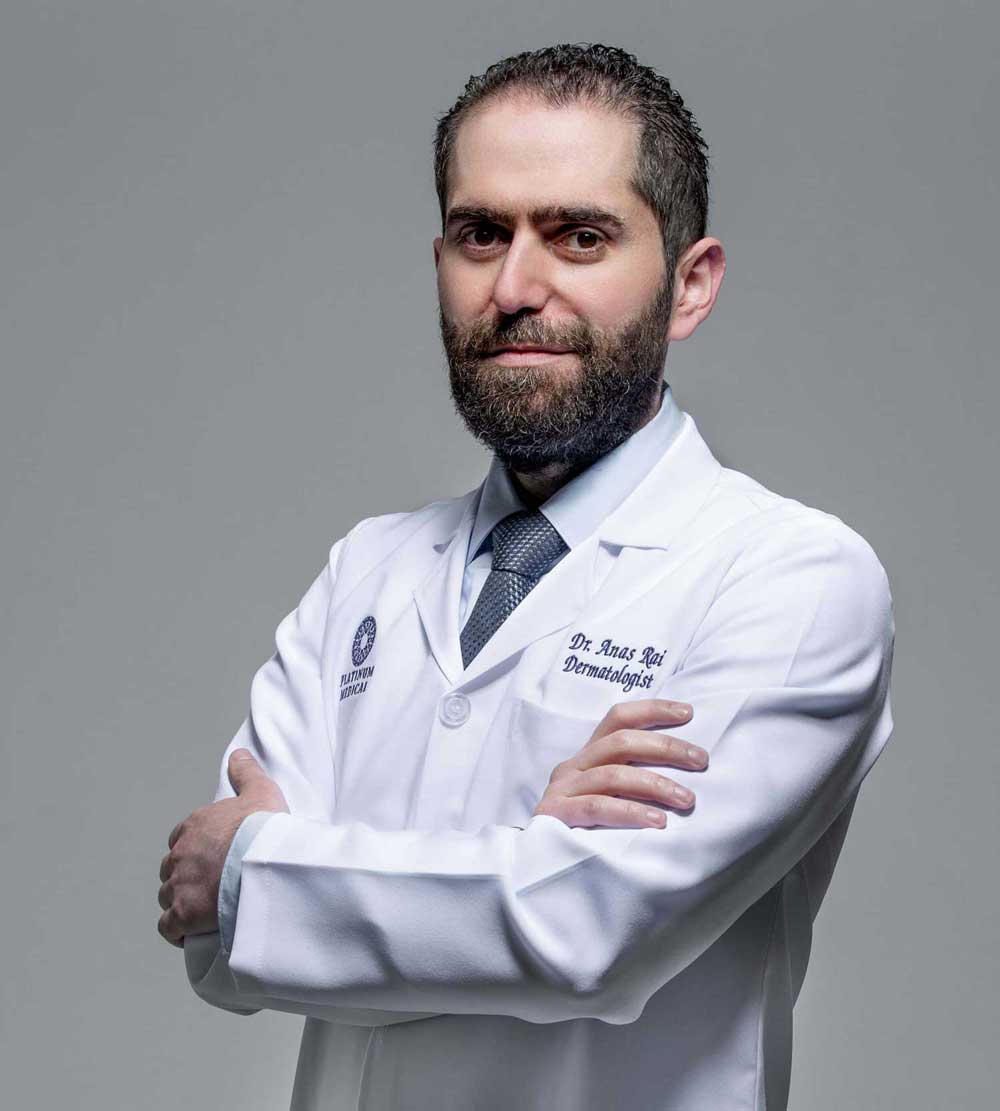
Medical Director & Specialist Dermatologist
Dr. Anas assesses your skin, under-eye area or scalp and plans each course: whether PRF suits the concern, how it is placed and when to review. He has more than 15 years of experience in dermatology across Syria and Qatar, including PRP and PRF treatments.
Questions
Platelet-rich fibrin: a preparation made from a small sample of your own blood, spun without additives so that platelets and growth factors stay in a soft fibrin gel that releases them slowly.
Both come from your blood. PRP is spun faster with an additive that stops clotting, while PRF is spun more gently without additives, keeps more white cells and forms a gel that releases growth factors over days.
Dull or tired skin, fine lines, thin skin under the eyes, texture and shallow acne scars with microneedling, and selected cases of thinning hair within a wider plan.
It can help when the skin under the eyes is thin and crepey. Dark circles from pigment, puffiness or hollows that need volume usually need other treatment, so your doctor checks the cause first.
In selected cases it is used in the scalp as part of a wider hair loss plan, after the cause has been assessed. It does not suit every type of hair loss.
Usually 3 sessions about 4 to 6 weeks apart, then maintenance every 6 to 12 months.
The skin often looks fresher after 2 to 4 weeks. The fuller effect builds over 1 to 3 months after the course.
Numbing cream is applied first, so most people feel light pricks and pressure. The blood sample feels like a routine blood test.
Redness, swelling or small bruises usually settle within 1 to 3 days, a little longer under the eyes. Most people return to work the next day.
It is generally well tolerated. Because it comes from your own blood, allergy is not expected, but bruising, swelling and, rarely, infection can occur.
Yes. It is often combined with microneedling, and sometimes with skin boosters or fillers in a plan your doctor sequences.
Neither is better for everyone. Your doctor explains which preparation fits your concern and why.
Treatment is postponed in pregnancy and breastfeeding and while there is an infection in the area. Blood disorders, a low platelet count, blood-thinning medicines and cancer treatment need discussing first. No one under 18 is treated.
The fee depends on the areas treated, whether it is combined with microneedling, the number of sessions and maintenance. You receive a personalised treatment plan, including fees, after your assessment.
Further reading
Private consultation
Prefer guidance? Book a PRF Consultation and we’ll curate the safest plan around your skin or scalp goals.

Doctor-led dentistry, dermatology & aesthetics — crafted in Lusail with calm precision.


