Composite Bonding in Lusail, Qatar

Refine chips, gaps and shape — minimally invasive, natural-looking results.

Refinement with restraint.

Composite Bonding

Composite bonding is a minimally invasive way to refine a smile — improving chips, gaps, edges and tooth shape using tooth-coloured composite resin, carefully matched to your natural shade. At your consultation in Lusail, Qatar, discuss the changes you would like to make, your bite, shade matching and ongoing maintenance before deciding whether bonding suits your teeth.

Book a Bonding Consultation

The essentials

Composite bonding, in brief

Composite bonding uses tooth-coloured composite resin, shaped by hand and bonded to the tooth, to repair chips, close small gaps and refine the shape of front teeth. It usually needs little or no drilling, often no anaesthetic, and is often finished in a single visit. At Platinum Medical Center in Lusail, the composite is matched to your natural shade and polished to reflect light like enamel. With good care, bonding often lasts 5 to 7 years before it needs refreshing.

Treats
Chipped or worn edges, small gaps, and short or uneven teeth
Your dentist
Dr. Ahmed Wael Seyam, Cosmetic & Restorative Specialist
Visits
Often one; a full smile can take longer
Time
About 30 to 60 minutes per tooth
Preparation
Usually little or no drilling
Comfort
Anaesthetic is often not needed
Lifespan
Often 5 to 7 years, with polishing and repairs
Where
17th Floor, QIG Tower, Lusail, for patients across Lusail, Doha and Qatar

Medically reviewed by Dr. Ahmed Wael Seyam, Cosmetic & Restorative Specialist ·

Our approach

A Tailored Approach

We begin by understanding your goal (subtle edge refinement vs broader smile enhancement), then assess bite, enamel, and proportions. Bonding is shaped and polished to blend seamlessly — aiming for natural light reflection and a refined finish. For larger aesthetic transformations, you may also explore dental veneers.

What it treats

What can composite bonding fix?

Bonding adds composite to the tooth rather than removing it, so it suits small, precise changes. Your dentist explains what is realistic for your teeth and bite.

I

Chips and worn edges

Bonding can rebuild chipped edges and small worn areas — restoring a cleaner outline while keeping the result natural and balanced. Rebuilding the biting edges is often called edge bonding.

SuitsA chipped, worn or uneven front edge

II

Small gaps: bonding or orthodontics?

A small gap does not automatically make bonding the right option. Your dentist assesses tooth width, the cause of the spacing and your bite before advising whether adding composite would keep the teeth proportionate, or whether orthodontic treatment should be discussed.

SuitsSmall gaps where the teeth stay in proportion

III

Shape and symmetry

Bonding can subtly refine shape and symmetry — improving contour, corners, and overall harmony. Your clinician will advise what is realistic in one visit versus staged work.

SuitsShort, uneven or slightly misshapen teeth

IV

Composite veneers

When several front teeth need a more even shape and shade, composite can cover the whole front surface of each tooth. It is quicker and more conservative than porcelain, but needs more polishing and maintenance over time.

SuitsSeveral front teeth that need a more even shape and colour

Composite does not change colour with whitening. If you would like your teeth lighter, teeth whitening comes first, and the bonding is matched to the new shade about 1 to 2 weeks later.

A real case

A front-tooth restoration at Platinum

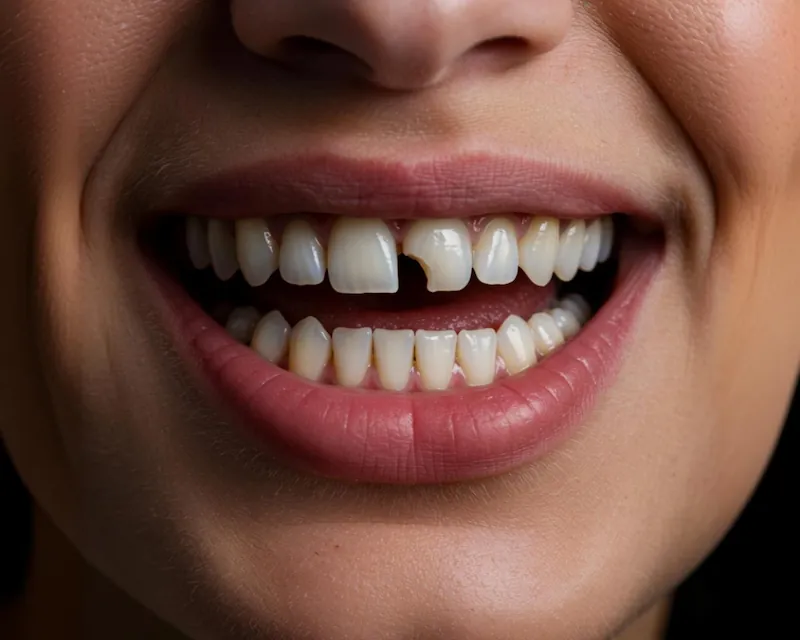
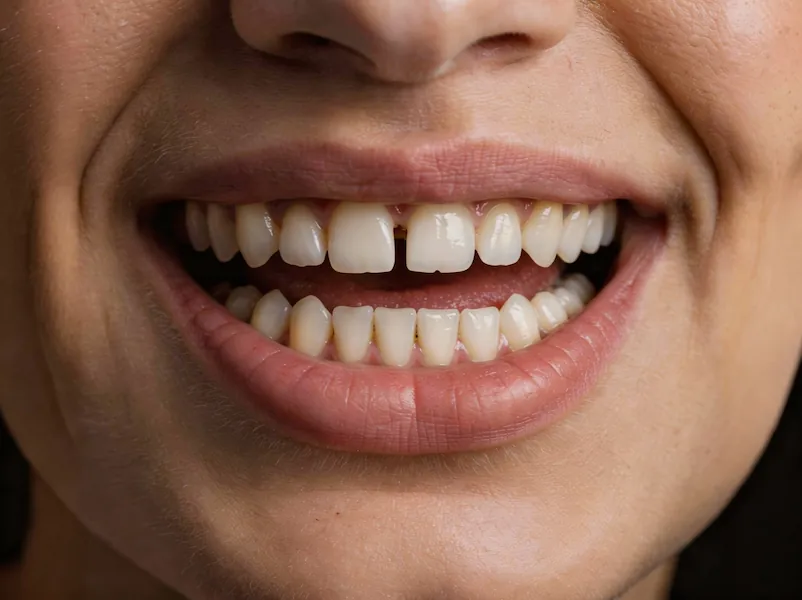
This composite restoration by Dr. Ahmed Wael Seyam rebuilt a chipped front-tooth edge. The original clinic post shows the tooth before and after treatment.

Your dentist assesses the tooth, bite and the changes you want before advising whether a similar approach is suitable for you.

View the clinic case · dental close-ups

Compare

Bonding, veneers or a crown?

Discuss whether your goal involves tooth shape, colour, spacing or bite. Your dentist can explain whether bonding, veneers, whitening, aligners or restorative care should be considered. The choice should follow assessment rather than assuming that one treatment suits every smile.

Least invasive

Composite bonding

What it is
Tooth-coloured resin sculpted directly onto the tooth
Tooth preparation
Usually little or none
Visits
Often one
Lifespan
Often 5 to 7 years, with polishing and repairs
Best for
Small chips, gaps and edge refinements
Most lifelike

Porcelain veneers

What it is
A thin porcelain shell made by a dental laboratory and bonded to the front of the tooth
Tooth preparation
Minimal and case-dependent
Visits
Usually 2 to 3
Lifespan
Often 10 to 15 years or more
Best for
Changing shape, shade and symmetry together
Full coverage

Dental crown

What it is
A cap that covers the whole visible tooth
Tooth preparation
More, all the way around the tooth
Visits
Usually 2
Lifespan
Often 10 to 15 years or more
Best for
Weak, heavily filled or root canal-treated teeth

Read composite bonding compared with veneers, or explore dental crowns. For repair of decay or fractures, see composite filling.

Refinement with restraint.

The visit

How is composite bonding done?

Your dentist first assesses the tooth, bite and shade goals. When bonding is suitable, tooth-coloured composite is applied, shaped and polished. The dentist checks the appearance and bite and explains cleaning, review and maintenance. Preparation and the number of visits depend on the case.

  1. Composite bonding assessment and shade matching First visit

    Assessment and shade matching

    Your dentist checks your teeth, gums and bite, talks through the change you want and matches the composite to your natural shade. If whitening is part of the plan, it is done first.

  2. Preparing the tooth surface for composite bonding Start of treatment

    Preparing the surface

    The tooth is cleaned and the enamel is conditioned with a gentle gel so the composite bonds firmly. Usually no drilling is needed.

  3. Layering and sculpting composite on a front tooth About 30 to 60 minutes per tooth

    Layering and sculpting

    Composite is applied in thin layers, shaped by hand and set with a curing light, building the edge, corners and surface texture.

  4. Same visit

    Polishing and bite check

    The bonding is polished to reflect light like enamel, and your bite is checked so the new edges meet evenly.

  5. Review and maintenance after composite bonding Later visits

    Review and maintenance

    A short review lets the shape or polish be refined if needed. At hygiene visits, the bonding is polished to keep its shine.

Aftercare and longevity

How long does composite bonding last?

Bonding is durable, but it can chip with hard biting habits. We’ll guide you on care, stain-minimising habits, and maintenance so results stay refined. With good care, bonding often lasts 5 to 7 years before it needs refreshing.

I

The first day or two

Composite is fully set when you leave, so you can eat straight away. Go easy on coffee, tea, karak and shisha for the first day or two, while the surface settles.

II

Everyday care

Brush and floss as usual. Avoid biting ice, nails or pens, or opening packets with your teeth, as these chip bonded edges.

III

Polishing and repairs

Polishing at hygiene visits keeps the shine. A small chip can usually be repaired without replacing the whole bonding.

If you grind or clench your teeth, a night guard protects the bonding. For repair of decay or fractures, see composite filling.

Suitability

Is composite bonding right for me?

Bonding works best on healthy teeth that need a small change. Other treatments may suit you better, or come first, when:

  • You want a large change in colour: whitening or porcelain veneers suit this better
  • Teeth are crowded or the bite is uneven: aligners or braces may be needed first
  • You grind or clench heavily, or bite edge to edge: bonded edges are more likely to chip
  • There is decay or gum disease: it is treated before any cosmetic work
  • A tooth is heavily filled or weakened: a crown may protect it better

Safety

Risks and how they are managed

Composite bonding is one of the most conservative cosmetic treatments, because little or no enamel is removed. Composite is softer than porcelain, though: it can chip, wear or pick up stain over time, and the edges can need polishing or small repairs. Some people feel the new edges with their tongue for a few days.

Careful shade matching, checking the bite, a smooth final polish, a night guard if you grind, and regular reviews keep these risks low. Your dentist explains what applies to your teeth before treatment.

Your treatment plan

What affects the cost of composite bonding in Qatar?

Bonding is planned tooth by tooth, so the fee depends on what your smile needs. You receive a personalised treatment plan, including fees, after your assessment.

  • How many teeth are treated
  • How much composite each tooth needs, from a small edge repair to a full composite veneer
  • Whitening first, if you want your teeth lighter
  • Any treatment needed first, such as cleaning, gum care or fillings
  • A night guard, if you grind or clench

Insurance plans usually treat cosmetic bonding as cosmetic, although repairing a broken tooth may be covered, so check your policy before you start.

Your consultation

Questions to discuss before bonding

I

Can bonding address my chips, edges or small gaps?

Ask your dentist what changes are realistic for your tooth shape and bite, and whether another approach should be considered.

II

Should I discuss whitening before bonding?

Raise any shade-change goals during assessment so your dentist can explain the proposed treatment sequence and shade matching.

III

What maintenance should I expect?

Composite can stain, wear or chip. Your dentist can advise whether polishing, repair or replacement is appropriate over time. Avoid habits that place unnecessary force on bonded edges and attend recommended reviews.

IV

Can everything be completed in one visit?

Ask what your particular plan involves and whether additional preparation or visits are needed.

Your specialist

Your bonding dentist

Dr. Ahmed Wael Seyam, Cosmetic and Restorative Specialist at Platinum Medical Center

Cosmetic & Restorative Specialist

Dr. Ahmed Wael Seyam

Dr. Ahmed carries out composite bonding at Platinum, layering, shaping and polishing the composite by hand, from a single chipped edge to composite veneers across the smile.

  • European Master’s Degree, Universitat Internacional de Catalunya, Barcelona
  • Bachelor’s Degree in Oral and Dental Medicine, Cairo University
  • Advanced course in natural layering with composite, London, 2024
  • At Platinum Medical Center in Lusail since 2022

View Dr. Ahmed’s profile

Questions

Composite bonding FAQ

Does composite bonding hurt?

Usually not. Most bonding needs little or no drilling, so anaesthetic is often not needed. If a tooth needs shaping or a cavity is repaired at the same time, local anaesthetic is used.

How long does composite bonding last?

Often 5 to 7 years, and longer with good care. Polishing at hygiene visits and small repairs keep it looking its best, and eventually the composite is refreshed or replaced.

How long does a bonding appointment take?

About 30 to 60 minutes per tooth. Several teeth can usually be treated in one longer visit; a full smile may take two visits.

Does bonding damage my teeth?

Bonding usually needs little or no removal of enamel, which makes it one of the most conservative cosmetic treatments. It can usually be polished, repaired or replaced later without further harm to the tooth.

Can composite bonding be whitened?

No. Composite keeps its colour while natural teeth lighten. If you want whiter teeth, whiten first and have the bonding matched to the new shade about 1 to 2 weeks later.

Does composite bonding stain?

It can pick up stain over time, especially from coffee, tea, karak and shisha. Polishing at hygiene visits removes most surface stain.

Is bonding or veneers better for me?

Bonding suits small changes such as chips, edges and small gaps, usually in one visit with little or no drilling. Porcelain veneers suit larger changes to shape, colour and symmetry together and last longer, but need more visits and some enamel preparation.

Can bonding close gaps between teeth?

Small gaps, yes, when the teeth stay in proportion. Larger gaps, or spacing caused by the bite, are often better treated with aligners or braces first.

What is edge bonding?

Edge bonding adds composite to the biting edges of the front teeth to repair chips or wear and even out their length. It is one of the most common uses of composite bonding.

Can I eat normally after bonding?

Yes, straight away. Avoid biting very hard things, such as ice, nails or pens, with bonded teeth, and go easy on strongly coloured food and drink for the first day or two.

Can bonding be repaired if it chips?

Usually yes. A small chip can often be repaired in one visit without replacing the whole bonding.

How much does composite bonding cost in Qatar?

The fee depends on how many teeth are treated and how much composite each one needs, from a small edge repair to composite veneers. You receive a personalised treatment plan, including fees, after your assessment.

Further reading

Read more before your consultation

Private consultation

Begin with a consultation in Lusail

Book a composite bonding consultation in Lusail to discuss your goals, suitability, shade matching and maintenance, including alternatives where appropriate.

Platinum Concierge — seamless booking, discreet care, refined outcomes.

Doctor-led dentistry, dermatology & aesthetics — crafted in Lusail with calm precision.

© 2026 Platinum Medical Center.