Pigmentation & Melasma in Lusail, Qatar

Even tone, refined — doctor-led plans designed for safety, stability and long-term control.

Staged care. Sun-smart strategy. Stable results.

Pigmentation & Melasma

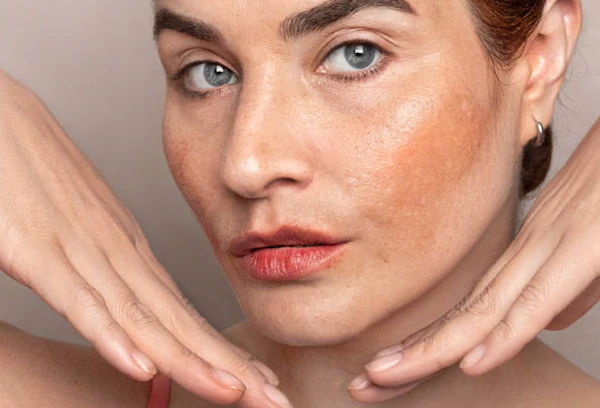
Pigmentation responds best to a careful plan — especially melasma. We focus on diagnosis, trigger control, barrier safety, and a staged approach that protects results long-term.

Book a Consultation

The essentials

Pigmentation and melasma treatment, in brief

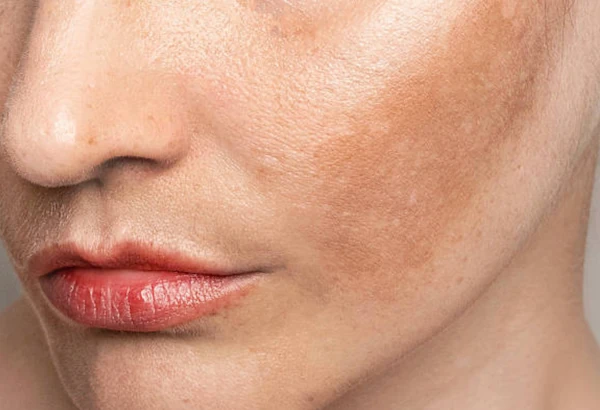
Pigmentation treatment at Platinum Medical Center in Lusail starts with finding the cause, because melasma, sun spots and dark marks after acne or irritation look alike but behave differently. Melasma, a common pattern in Qatar, is driven by sun, heat, visible light and hormones, so it is controlled rather than cured: daily tinted high-protection sunscreen, prescription lightening creams, gentle peels and, in selected cases, microneedling or laser, planned conservatively to avoid rebound. Sun spots and dark marks often fade further. Most plans show a clear improvement within 2 to 3 months, then continue with maintenance.

Treats
Melasma, sun spots, dark marks after acne or irritation, freckles and uneven skin tone
Options
Sun protection, prescription lightening creams, chemical peels, and microneedling or laser in selected cases
Session time
About 30 to 45 minutes for in-clinic treatment
Course
Peels usually every 2 to 4 weeks for 4 to 6 sessions, alongside daily home care
Downtime
Little or none after gentle peels; a few days of redness or flaking after stronger treatment
Results
Gradual, usually clearer after 2 to 3 months; melasma needs ongoing maintenance
Your doctor
Dr. Anas Rai, Medical Director & Specialist Dermatologist

Medically reviewed by Dr. Anas Rai, Medical Director & Specialist Dermatologist ·

Our approach

A Tailored Approach

The same dark patch can have different causes, and the cause decides the treatment.

Not all pigmentation is the same — and treatment depends on cause (sun exposure, inflammation, hormones, or post-acne marks), skin type, and sensitivity. Your clinician will advise the safest approach and realistic timelines. For texture-based concerns, you may also explore fractional laser and microneedling.

Types of pigmentation

Which kind of pigmentation do you have?

Your doctor identifies the type first, because each one responds to different care.

I

Melasma (Selected Plans)

Melasma is often chronic and trigger-driven. We prioritise safe, staged plans with strict sun strategy and maintenance guidance — aiming to reduce rebound and protect the skin barrier.

UsuallyControlled rather than cured; maintenance continues

II

Dark Spots & Uneven Tone

For dark spots and uneven tone, we tailor treatment to skin type and cause. In selected cases, options may include light- or device-based protocols such as fractional laser — always planned conservatively.

UsuallyOften fade well over a course

III

Sun spots

Flat brown spots on the face, hands and chest from years of sun, also called age spots. They usually respond well to targeted treatment.

UsuallyPeels or laser; sun protection keeps them away

IV

Marks after acne or irritation

Brown patches left after acne, eczema, razor bumps, insect bites or a burn. Darker skin is more prone to them, and they fade faster once the cause is treated.

UsuallyTreat the cause, then gentle lightening

V

Freckles

Small spots that darken in summer and fade in winter. They are harmless and many people keep them, so lightening is optional.

UsuallySun protection; light treatment in selected cases

VI

A changing spot

A spot that grows, changes colour or shape, bleeds or itches is examined before any treatment, as it needs a different assessment.

UsuallyExamined first, sometimes with a closer skin check

Treatments

How is pigmentation treated?

Most plans combine daily home care with a few in-clinic treatments, in an order your doctor sets.

I

Sun protection, every day

A high-protection sunscreen, ideally tinted to block visible light, reapplied through the day. Without it, no treatment lasts.

II

Prescription lightening creams

Creams chosen by your doctor slow pigment production. They are used for a set time, then switched to maintenance to avoid irritation.

III

Chemical peels

Gentle peels in a series lift surface pigment and even out tone, with the strength matched to your skin.

IV

Microneedling

Fine needles help even out tone and texture in selected cases of melasma and dark marks.

V

Laser and light

Used carefully for sun spots and selected cases, at gentle settings. In melasma the heat can make pigment worse, so laser is chosen only when the benefit is clear.

VI

Tablets in selected cases

For stubborn melasma, your doctor may discuss a prescription tablet that calms pigment production, after checking your health and medicines.

Compare

Melasma, sun spots, dark marks or freckles?

These look alike but respond differently, which is why the diagnosis comes first.

Hormones, sun and heat

Melasma

Looks like
Matching patches on the cheeks, forehead and upper lip
Main treatment
Sun protection, lightening creams, gentle peels
Outlook
Controlled; it can return with sun, heat and hormones
Sun

Sun spots

Looks like
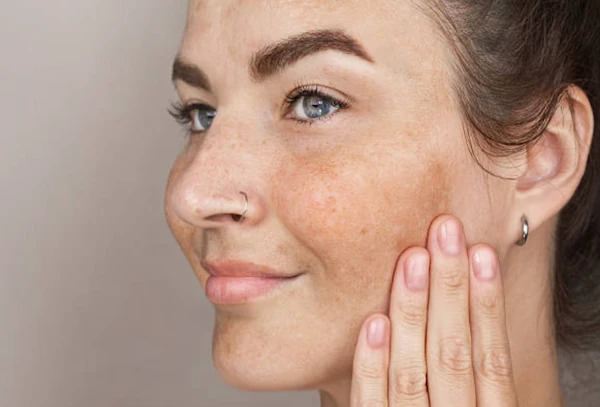
Defined brown spots on sun-exposed skin
Main treatment
Peels or laser, then sun protection
Outlook
Often fade well; new ones can appear
Inflammation

Dark marks

Looks like
Brown patches where acne or irritation was
Main treatment
Treat the cause, then lightening care
Outlook
Usually fade over months
Genes and sun

Freckles

Looks like
Small spots that darken in summer
Main treatment
Sun protection; lightening is optional
Outlook
Harmless; they return with sun

With melasma, the goal is control: clearer skin that stays clear with the right daily care.

The visit

What happens at each step?

From the first consultation to maintenance, here is what to expect.

  1. A skin assessment for melasma First visit

    Consultation and diagnosis

    Your doctor examines the pattern and depth of the pigment, sometimes with a skin lamp, asks about sun exposure, pregnancy, hormonal treatment, medicines and the products you use, takes photos, and explains the cause, the options and realistic timelines.

  2. Before treatment

    Preparing your skin

    Most plans start with 2 to 4 weeks of daily sunscreen and home care, which calms the skin and lowers the risk of irritation from in-clinic treatment. Stop scrubs and strong home peels unless your doctor advises them.

  3. Treatment for dark spots and uneven tone About 30 to 45 minutes

    In-clinic treatment

    A peel is applied for a few minutes and then neutralised, while microneedling or laser sessions take longer, with numbing cream. Strength is increased gradually across the course.

  4. Calm skin after pigmentation treatment The first week

    Aftercare

    Expect mild redness or flaking for a few days after stronger treatment. Use a gentle cleanser, moisturiser and sunscreen, do not pick flaking skin, and keep away from heat and direct sun.

  5. Every 4 to 8 weeks

    Reviews and maintenance

    Progress is reviewed with photos. Once the skin is clearer, home care continues and occasional peels keep melasma under control, especially before summer.

Results

When will I see results, and how long do they last?

I

In the first month

The skin often looks brighter and calmer once daily sunscreen and home care are in place.

II

After 2 to 3 months

Dark patches are usually lighter and more even, and sun spots and marks fade further.

III

Long term

Sun spots and marks can stay away with sun protection. Melasma can return with sun, heat, pregnancy or hormones, so maintenance continues.

Results vary with the type and depth of the pigment, your skin type, and how closely sun protection and home care are followed.

Pigmentation in Qatar

Pigmentation and the Qatar sun

Strong sun, heat and bright light are the main reasons pigmentation returns in Qatar.

  • Use a tinted high-protection sunscreen every day, including indoors near windows and in the car, and reapply every 2 to 3 hours outdoors.
  • Heat itself can darken melasma, so limit saunas, steam rooms and hot yoga, and keep your face away from high heat while cooking.
  • Plan stronger treatments for the cooler months, roughly October to April, and keep gentle maintenance through the summer.

Suitability

Is pigmentation treatment right for me?

Usually suitable

  • Melasma, sun spots and uneven tone
  • Dark marks after acne, eczema or razor bumps
  • All skin types, with treatment adjusted for darker skin
  • People ready to use daily sun protection

Wait, or choose another option

  • Pregnancy or breastfeeding: most treatments wait; sun protection continues
  • Active acne, eczema or a skin infection: treated first
  • A recent tan: in-clinic treatment waits until it fades
  • A spot that is changing: examined before any treatment
  • Unlabelled creams bought online: stop them and bring them to your visit

Some medicines and hormonal treatments can trigger pigmentation; your doctor reviews them with you.

Safety

Risks and how we manage them

Irritation, redness and dryness are the most common effects and settle when treatment is adjusted. Treatment that is too strong can inflame the skin and leave it darker, especially in darker skin and in melasma, which is why plans start gently and build up. Lightening creams can irritate or lighten skin unevenly if overused, so they are used for a set time under supervision.

Unlabelled whitening creams sold online can contain harmful ingredients that damage the skin, so bring any product you use to your consultation. Report burning, blistering or spreading redness promptly.

Your plan

What affects the cost of pigmentation treatment in Qatar?

The fee depends on the type of pigmentation and the plan. You receive a personalised treatment plan, including fees, after your assessment.

  • The type and extent of the pigmentation
  • The in-clinic treatments chosen and the number of sessions
  • Prescription home care
  • Maintenance sessions, for melasma in particular

Insurers may cover the medical assessment, but treatment for cosmetic reasons is usually not covered, so check your policy.

Your consultation

Questions for your consultation

I

What type of pigmentation do I have?

Melasma, sun spots and dark marks need different treatment, so ask for the diagnosis first.

II

Will laser help or make it worse?

Ask why laser is or is not recommended for your pigment, especially if you have melasma.

III

How long until I see a change?

Most plans take 2 to 3 months; agree on review points with photos.

IV

How do I stop it coming back?

Ask about sunscreen, maintenance and the triggers to avoid in your daily life.

Your specialist

Your doctor

Dr. Anas Rai, Medical Director and Specialist Dermatologist at Platinum Medical Center

Medical Director & Specialist Dermatologist

Dr. Anas Rai

Dr. Anas diagnoses the type of pigmentation and plans treatment around the cause, your skin type and the season: which creams, which in-clinic treatments and when. He has more than 15 years of experience in dermatology across Syria and Qatar, including melasma and pigmentation care.

  • Syrian Board of Dermatology & Venereology, 2015
  • Doctor of Medicine, Damascus University, 2010
  • Aesthetic medicine: injectables, laser and PRP
  • Medical Director of Platinum Medical Center in Lusail since 2018

View Dr. Anas’s profile

Questions

Pigmentation and melasma FAQ

What is melasma?

Melasma is a common pattern of brown or grey-brown patches, usually on the cheeks, forehead and upper lip, driven by sun, heat, visible light and hormones. It is more common in women and in medium to darker skin.

Can melasma be cured?

It can be controlled well but not cured, because its triggers continue. With daily sun protection and maintenance, most people keep it light.

What is the best treatment for pigmentation?

It depends on the cause. Daily sun protection is the foundation; lightening creams, peels, microneedling or laser are then chosen for the type of pigment and your skin.

Does laser remove pigmentation?

Laser can clear sun spots well. For melasma it is used only in selected cases at gentle settings, because the heat can make melasma worse.

Do chemical peels help melasma?

Gentle peels in a series help lift surface pigment and even out tone, especially with home care and sun protection.

How long does pigmentation treatment take?

Most people see a clear change after 2 to 3 months. Melasma then needs maintenance to stay controlled.

Why does my pigmentation come back?

Sun, heat, visible light, hormones and irritation all restart pigment production. Daily protection and maintenance reduce relapses.

Which sunscreen is best for melasma?

A broad-spectrum, high-protection sunscreen, ideally tinted, because the tint also blocks visible light. Reapply every 2 to 3 hours outdoors.

Can pigmentation treatment make my skin darker?

Treatment that is too strong can inflame the skin and darken it, especially in darker skin. Plans start gently and build up to avoid this.

Can I treat pigmentation during pregnancy?

Most treatments are postponed until after pregnancy and breastfeeding. Sun protection and gentle skin care continue, and your doctor advises what is safe.

Do you treat dark marks after acne?

Yes. Active acne is treated first, then the marks fade with sun protection, lightening care and, if needed, peels.

Are whitening creams safe?

Prescription lightening creams are safe when used as advised for a set time. Unlabelled whitening creams sold online can contain harmful ingredients and should be avoided.

Is pigmentation treatment suitable for darker skin?

Yes, with care. Darker skin is more prone to dark marks after irritation, so treatments are gentler and spaced further apart.

How much does pigmentation treatment cost in Qatar?

The fee depends on the type of pigmentation, the treatments chosen and the number of sessions. You receive a personalised treatment plan, including fees, after your assessment.

Further reading

Read more before your consultation

Private consultation

Begin with a consultation in Lusail

Prefer guidance? Book a consultation and we’ll recommend the safest plan for your skin and pigmentation type.

Platinum Concierge — seamless booking, discreet care, refined outcomes.

Doctor-led dentistry, dermatology & aesthetics — crafted in Lusail with calm precision.

© 2026 Platinum Medical Center.