


Keloid Scars
Raised scars that may extend beyond the original injury. Often require staged treatment in selected cases.
UsuallyInjections into the scar and silicone, sometimes laser
Refine the mark — keep the story.
Scar treatment is most effective when the plan matches the scar type — raised, indented, pigment-dominant, or post-burn changes — with staged, skin-type tailored care and realistic timelines.
The essentials
Scar treatment at Platinum Medical Center in Lusail starts by identifying the type of scar: raised (hypertrophic or keloid), indented, discoloured, or tight after a burn. Each type responds to different treatment, so a plan may combine fractional laser, microneedling or RF microneedling for texture, injections into the scar to flatten raised scars, silicone and pressure care, and minor surgery in selected cases. No treatment erases a scar completely, but most scars can be made flatter, smoother and less noticeable over a course, usually 3 to 6 sessions a few weeks apart.
Our approach
Treatment selection depends on scar type, location, age of the scar, skin type, and your goal (texture vs tone vs both).
Scar appearance depends on depth, inflammation, location, and how the skin healed. We assess the pattern first, then recommend the safest approach. Plans often combine modalities such as fractional laser, microneedling, or supportive options in selected cases.
Acne can leave indented or raised scars as well as flat colour changes. These are different concerns. For assessment of acne-related texture changes, see acne scars treatment. Our guide to active acne, marks and scars explains the distinction and why ongoing breakouts should be discussed first.
Types of scars
The type of scar decides the treatment, so this is the first thing your doctor looks at.
Raised scars that may extend beyond the original injury. Often require staged treatment in selected cases.
UsuallyInjections into the scar and silicone, sometimes laser
Raised scars that stay within the original boundary. Often improve with a structured plan.
UsuallySilicone, injections and laser
Scarring that can tighten skin and restrict movement. Plans may require combined approaches depending on severity.
UsuallyCombined care; surgery when movement is limited
Sunken scars after acne, chickenpox or an injury, where tissue was lost as the skin healed.
UsuallyFractional laser, microneedling or RF microneedling
Lines from operations, stitches or cuts, which can stay raised, wide, red or darker than the skin around them.
UsuallyLaser and silicone; earlier treatment helps
Flat colour left after a wound or inflammation. These marks are not true scars and often fade with the right care.
UsuallySun protection and skin care; laser in selected cases
Treatments
Most plans combine two or three of these, in an order your doctor sets.
Treats the scar in tiny columns, so the skin rebuilds smoother tissue and the edges of the scar blend with the skin around it.
Fine needles, with or without radiofrequency heat, prompt new collagen under indented scars.
An anti-inflammatory medicine placed into a raised or keloid scar flattens and softens it, usually every 4 to 6 weeks.
Silicone gel or sheets worn daily for 2 to 3 months help raised scars settle; pressure garments are used after some burns.
In selected cases a wide or badly placed scar is cut out and closed more neatly, often followed by other treatment to keep it flat.
A gentle routine and daily sunscreen protect the colour of a healing scar and the results of treatment.
Protocols may include resurfacing options to help refine texture and blend transitions — selected based on skin type and downtime preference.
Compare
The same treatment does not suit every scar. This is how the main types are usually approached.
A scar cannot be erased. It can usually be made flatter, smoother and far less noticeable.
The visit
From the first consultation to your last review, here is what to expect.
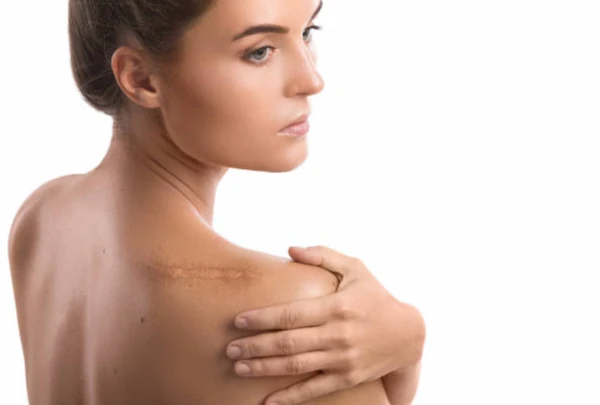 First visit
Your doctor examines the scar, asks how and when it formed and whether you form keloids, takes photos, and explains which treatments suit it, what they can and cannot change, and the alternatives.
Before laser or microneedling, avoid tanning and stop exfoliating acids and vitamin A creams for about 5 to 7 days. Tell your doctor about cold sores, any recent course of strong acne tablets, and medicines that make you bruise more easily.
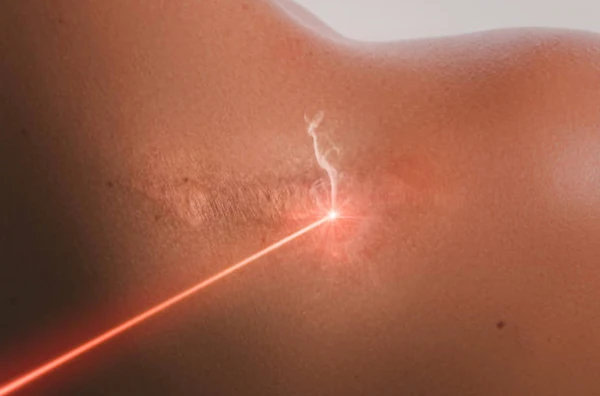 About 15 to 60 minutes
Numbing cream is used for laser and microneedling. Injections take a few minutes. Many sessions treat more than one scar or combine two methods.
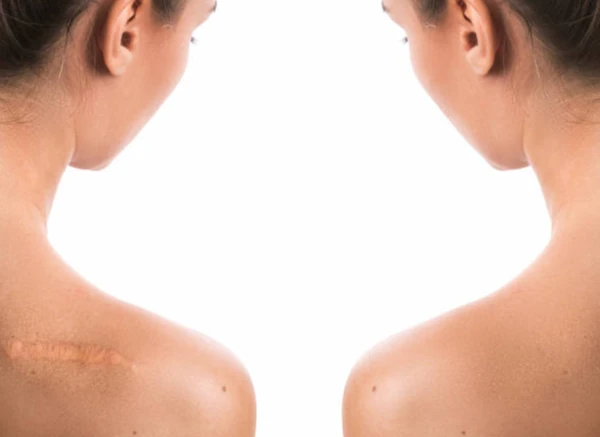 The first week
After laser, expect redness for about 3 to 7 days; keep the skin clean and moisturised and use sunscreen. After injections there is little to care for. Silicone is restarted when the skin has settled.
Most plans need 3 to 6 sessions about 4 to 6 weeks apart, with photos at each review to judge progress before the next step.
Results
Raised scars often feel softer and flatter after one or two injections, and redness starts to fade.
Texture and colour improve gradually over 3 to 6 months as new collagen forms.
Improvement in texture is long-lasting. Keloids can come back, so they are reviewed and treated early if they do.
Results vary with the type, depth and age of the scar, your skin type and how closely aftercare is followed.
Scars in Qatar
Sunlight darkens a healing scar and makes it stand out, and in Qatar it is strong all year.
Suitability
Usually suitable
Wait, or choose another option
Many treatments can start once a wound has fully healed, often from about 6 to 8 weeks after surgery. Your doctor advises the right time.
Safety
Redness, swelling and tenderness are common after laser and microneedling and settle within days. Darker or lighter patches can occur, more often in darker skin, and usually fade. Injections into a scar can thin or lighten the skin if repeated too often. Infection is uncommon, and a keloid can return after any treatment.
Settings matched to your skin type, a test patch where it helps, spacing sessions properly, careful aftercare and sun protection keep these risks low. Report increasing pain, swelling or signs of infection promptly.
Your plan
Scar treatment is planned around the scar, so the fee depends on the treatments and the course. You receive a personalised treatment plan, including fees, after your assessment.
Insurers usually treat scar improvement as cosmetic, so check your policy.
Your consultation
No treatment erases a scar. Ask what improvement is realistic for your scar: flatter, smoother, less red or less dark.
The answer decides the treatment. Many scars combine more than one, which is why plans often combine methods.
Agree on the plan and the review points, with photos, rather than a fixed number of sessions.
Ask about silicone, sun protection and when to start them, as they protect the result between sessions.
Your specialist
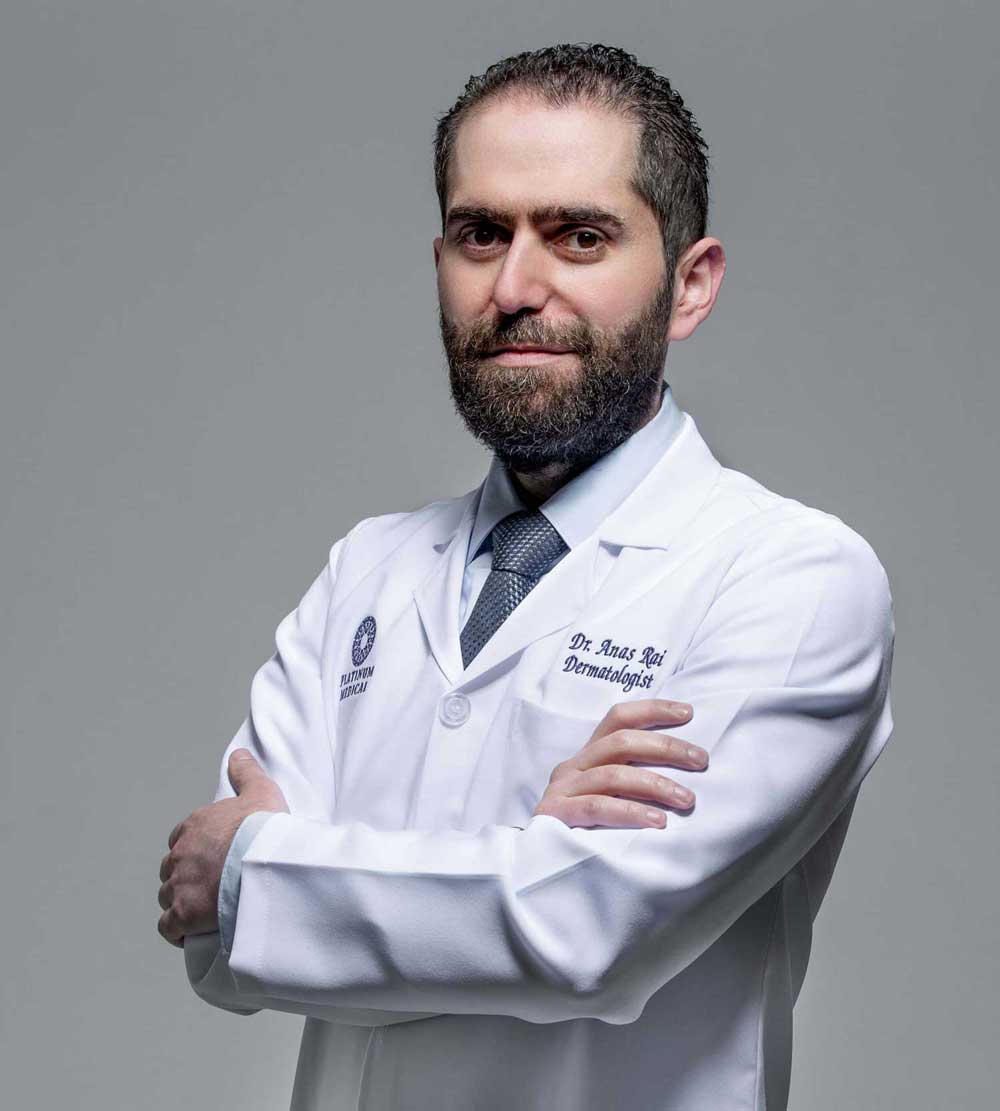
Medical Director & Specialist Dermatologist
Dr. Anas assesses each scar and plans the treatment: which methods, in which order and when to review. He has more than 15 years of experience in dermatology across Syria and Qatar, including laser and injection treatments for scars.
Questions
No treatment can remove a scar completely. Most scars can be made flatter, smoother and less noticeable, and many become hard to see.
It depends on the scar. Raised scars respond to injections and silicone, indented scars to fractional laser or microneedling, and colour changes to sun protection, skin care and sometimes laser. Many plans combine methods.
Usually with injections of an anti-inflammatory medicine into the keloid every 4 to 6 weeks, with silicone and sometimes laser. Keloids can return, so they are followed up and treated early if they grow again.
Both are raised. A hypertrophic scar stays within the original wound and often softens over time, while a keloid spreads beyond it and tends to keep growing without treatment.
Laser cannot remove a scar, but fractional laser improves its texture, height and colour and blends its edges, and it works well with other treatments.
Usually 3 to 6 sessions about 4 to 6 weeks apart, depending on the type, size and age of the scar.
Once the wound has fully healed, often from about 6 to 8 weeks after surgery. Earlier treatment of a red, raised scar often gives a better result than waiting.
Numbing cream is used for laser and microneedling, so most people feel heat or pricking. Injections sting briefly.
After laser, expect redness and some swelling for about 3 to 7 days. After injections there is usually no downtime.
Yes, often in a plan staged over months with laser, silicone and pressure. Burn scars that limit movement may also need a surgeon.
Yes. Acne scars have their own page, because active acne is treated first and the scar types differ.
Temporary darker or lighter patches can occur, more often in darker skin. Settings matched to your skin, a test patch and sun protection keep this risk low.
Improvements in texture last. Keloids can grow back, so they are reviewed regularly and treated early if they return.
The fee depends on the type, size and number of scars, the treatments used and the number of sessions. You receive a personalised treatment plan, including fees, after your assessment.
Further reading
Private consultation
Prefer guidance? Book a consultation and we’ll curate the safest plan around your scar type and skin.

Doctor-led dentistry, dermatology & aesthetics — crafted in Lusail with calm precision.


