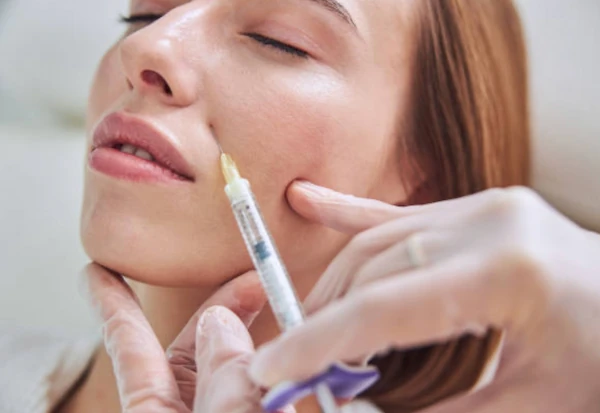
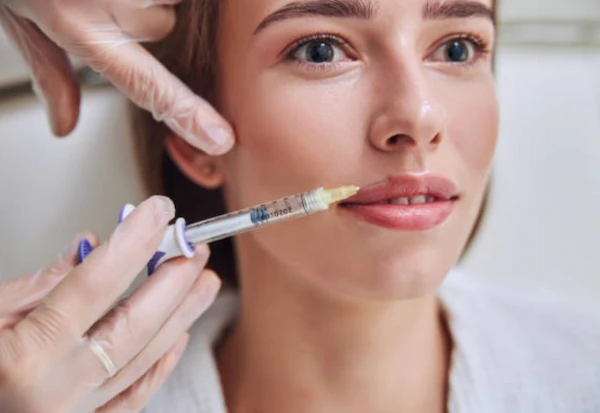
Lip & Dermal Fillers in Lusail, Qatar

Volume, balance, and definition — with a natural, proportion-first finish.

Structure where needed — softness where it matters.

Dermal Filler Consultations in Qatar

Considering lip or dermal fillers in Qatar? At Platinum Medical Center in Lusail, your consultation starts with your goals and a facial assessment. Discuss lip definition, cheek support or other concerns with your clinician, including whether treatment is suitable, its limitations, risks and aftercare.

Book a Filler Consultation

The essentials

Dermal fillers, in brief

Dermal fillers are soft gels, usually made of hyaluronic acid, a sugar the skin produces naturally, injected to restore volume, support structure and refine shape in areas such as the lips, cheeks, chin, jawline, under the eyes, nose, temples and hands. Treatment takes about 30 to 60 minutes, results show straight away and settle over about two weeks, and most people return to their day straight after. Depending on the area and product, results often last 6 to 18 months, and hyaluronic acid filler can be dissolved if needed. At Platinum Medical Center in Lusail, filler is planned for proportion first, with the least product necessary.

Areas
Lips, cheeks, chin, jawline, under-eyes, lines around the mouth, nose, temples and hands
Your doctor
Dr. Anas Rai, Medical Director & Specialist Dermatologist
The filler
Hyaluronic acid gels, softer for the lips and under-eyes, firmer for the cheeks, chin and jawline
Time
About 30 to 60 minutes, including numbing
Comfort
Numbing cream where helpful; most fillers also contain a local anaesthetic
Downtime
Swelling or small bruises for a few days; the lips swell the most
Results last
Often 6 to 18 months, depending on the area and product
Review
About two weeks after treatment
Where
17th Floor, QIG Tower, Lusail, for patients across Lusail, Doha and Qatar

Medically reviewed by Dr. Anas Rai, Medical Director & Specialist Dermatologist ·

Our approach

A Proportion-First Plan

We begin with a facial assessment and discuss your goals, anatomy and treatment suitability. If dermal fillers are appropriate, your clinician will explain product selection, placement, expected effects, limitations, risks and aftercare before you decide whether to proceed.

Dermal fillers may help areas that appear hollow due to genetics, fatigue or age-related volume loss. They can also enhance definition and refine balance in selected areas, with a conservative approach.

  • Volume support and contour refinement
  • Softening selected lines and hollows
  • Facial balancing with natural proportions

Treatment areas

Filler by area: lips, cheeks, chin, jawline and under-eye

Most patients in Lusail and Doha arrive with one area in mind. A good plan still starts with the whole face: how the lips, cheeks, chin and jawline relate to each other, and whether filler is the right tool at all. These are the questions each area raises at consultation.

I

Lip filler

Lip filler can add definition or subtle volume and improve the balance between the upper and lower lip. Your clinician looks at lip proportions, the lip border, the corners of the mouth and how your lips move when you speak and smile. Swelling is expected in the first days; the settled result is assessed at your review.

SuitsThin or uneven lips, or a softer lip border

II

Cheek filler

Cheek filler is used to restore or refine mid-face support. Because the cheeks influence both the under-eye area and the lower face, placement is planned for structure rather than fullness, and your clinician will discuss whether a lifting or skin-quality treatment would serve you better.

SuitsA flat or hollow mid-face, or a tired look from lost volume

III

Chin filler

Chin filler can refine projection and length so the profile looks more balanced. It is assessed from the side as much as from the front, together with the lips and jawline. Ask how the proposed change would affect your profile, what filler can and cannot change, and the alternatives.

SuitsA short or receding chin in profile

IV

Jawline filler

Jawline filler can sharpen the line from chin to ear and support definition in men and women, with different aims for each. If a strong masseter muscle or skin laxity is part of the concern, muscle-relaxing injections or a skin-tightening approach may be discussed instead of, or alongside, filler.

SuitsA soft jaw angle or an undefined jawline

V

Under-eye (tear trough) filler

The under-eye area is delicate, and not every dark circle or hollow is a filler problem. Pigmentation, thin skin and puffiness need different solutions, so this area always starts with a careful assessment. Read our under-eye treatment guide before your visit.

SuitsA hollow under the eye that casts a shadow

VI

Smile lines and marionette lines

Deep lines from the nose to the corners of the mouth, and from the corners of the mouth towards the chin, can be softened with filler. Often the better answer is support elsewhere, such as the cheeks, so your doctor looks at why a line has formed before treating it directly.

SuitsDeep folds around the mouth at rest

VII

Nose filler (non-surgical nose reshaping)

Nose filler can smooth a bump, lift the tip slightly or straighten the line of the nose without surgery. It cannot make the nose smaller, and the nose has delicate blood vessels, so only small amounts are used, placed with particular care.

SuitsA small bump or dip along the bridge of the nose

VIII

Temple filler

Hollow temples can make the face look tired and the upper face narrower. A small amount of filler restores a smooth curve from the forehead to the cheekbone and can support the outer brow.

SuitsHollow or sunken temples

IX

Hand filler

With age and sun, the backs of the hands lose volume, so veins and tendons show more. Filler restores softness to the back of the hand; sun spots and pigmentation are treated separately.

SuitsThin backs of the hands with visible veins and tendons

Other areas can be discussed at your consultation. For men, filler is usually planned to sharpen the chin and jawline rather than add softness. For the wider comparison, read our guide to structure versus volume in facial fillers.

The filler

What is in a dermal filler?

Most modern fillers are hyaluronic acid gels. Hyaluronic acid is a sugar the skin makes naturally to hold water, so the gel blends with the tissue and is gradually broken down by the body over months.

I

Density Matters

Different areas require different filler densities and placement techniques. Delicate zones often need lighter products, while structural zones may require higher-density support. Your plan is tailored to keep results balanced and natural.

II

Reversible if needed

Hyaluronic acid filler can be dissolved with an enzyme, to correct a result you are unhappy with or urgently if a complication occurs. The clinic keeps it on site.

III

Sealed and recorded

Filler comes in sealed syringes for one patient. The product name and batch are recorded in your notes, so you always know what was used.

Biostimulators such as Radiesse work differently: they support structure and firmness over time and cannot be dissolved. Read Radiesse, filler or skin boosters?

Compare

Filler or another treatment?

Filler restores volume and structure. If the concern is lines from movement, skin quality or sagging, another treatment may suit you better, or work alongside filler.

Volume and structure

Dermal filler

What it does
Restores volume and refines shape
Results
Straight away, settling over about two weeks
Best for
Lips, cheeks, chin, jawline and hollows
Lines from movement

Muscle-relaxing injections

What it does
Relaxes the muscles that crease the skin
Results
Over about one to two weeks
Best for
Frown lines, forehead lines and crow’s feet
Hydration and glow

Skin boosters

What it does
Fine injections of hyaluronic acid that hydrate the skin rather than add volume
Results
Build over a short course of sessions
Best for
Dull, dehydrated or crepey skin
Lift

Thread lift

What it does
Lifts mild sagging with dissolvable threads
Results
Straight away, improving over the following weeks
Best for
Mild laxity along the cheeks and jawline

Texture, scarring and pigmentation respond to skin treatments instead, such as RF microneedling or fractional laser.

Good filler does not chase millilitres. It solves a proportion problem with the least product necessary.

The visit

What happens at a filler appointment?

Most treatments are planned and carried out in one visit, with a review about two weeks later.

  1. Facial assessment before dermal filler treatment First visit

    Consultation and facial assessment

    Your doctor looks at your face at rest and in movement, from the front and the side, and asks about your goals, previous filler, allergies, medicines and medical history. Photographs are taken for your records. If filler is not the right tool, you will be told.

  2. Choosing the filler and placement for each area Same visit

    Your plan and consent

    Your doctor explains which areas, product and amount are proposed and why, what the result can and cannot be, the risks and the aftercare. You can take time to decide before any treatment.

  3. Dermal filler treatment at Platinum Medical Center About 30 to 60 minutes

    Numbing and treatment

    The skin is cleaned and numbing cream applied where helpful. Filler is placed with a fine needle or a blunt cannula, depending on the area, in small amounts, checking symmetry as treatment goes on.

  4. Aftercare after dermal filler treatment The first days

    Straight after

    You may have some swelling, tenderness or small bruises, and the area can feel firm for a few days. The lips swell the most. Most people go back to work the same day.

  5. About two weeks later

    Review and refinement

    Once swelling settles, your doctor reviews the result. A small top-up can be added if needed, so the plan builds in stages rather than adding too much at once.

Results

How long do fillers last?

Results show straight away and settle over about two weeks as swelling goes down. How long they last depends on the area, the product, how much the area moves and your metabolism.

I

Lips

Often about 6 to 12 months. The lips move constantly, so filler breaks down faster here than in most areas.

II

Cheeks, chin and jawline

Often about 12 to 18 months. Firmer gels placed deeper, in areas that move less, tend to last longer.

III

Under-eyes

Often about 9 to 12 months, sometimes longer. Only small amounts are used here.

Maintenance is planned around your face, not a calendar. Automatic top-ups can make the face heavier over the years, so your photographs help decide when more is needed and when enough is enough.

Aftercare

Aftercare and the first two weeks

Your clinician will explain aftercare, expected swelling or bruising, review arrangements and symptoms that need urgent assessment. Maintenance is discussed based on your goals and product selection.

  • For the first day, avoid touching or pressing the area, and keep make-up off the injection points
  • For 24 to 48 hours, avoid strenuous exercise, saunas, steam rooms and very hot showers
  • A cold compress eases swelling; sleeping with your head slightly raised helps on the first night
  • For about two weeks, avoid facials, facial massage and laser treatments on the area
  • Planning dental treatment? Leave about two weeks before or after filler around the mouth
  • Before a wedding, Eid or another event, book at least two weeks ahead so swelling has settled

Suitability

Is filler right for me?

Filler suits most healthy adults who want a refined, natural change. Treatment may be postponed, or another option may suit you better, if:

  • You are pregnant or breastfeeding: treatment is postponed
  • You have a cold sore, spots or an infection in or near the area
  • You take medicines that thin the blood, or you bruise easily
  • You have an autoimmune condition, or have reacted to filler before
  • You have permanent or unknown filler in the area
  • The concern is pigmentation, puffiness or loose skin rather than lost volume
  • You are under 18: fillers are for adults

Share details of any previous filler, including the product, areas and dates if you know them, and any previous reactions.

Safety

Risks and when to seek help

Fillers can cause swelling, bruising, pain, infection or lumps. Rare but serious complications can occur if blood supply is affected, including tissue injury and vision problems. Seek immediate medical attention for unusual severe pain, changes in skin colour or vision symptoms after treatment.

Your doctor plans each injection around the anatomy of the face, uses a blunt cannula where it suits the area, injects slowly in small amounts and watches the skin throughout. The clinic keeps the dissolving enzyme on site and follows a complication protocol, and you leave with a number to call if anything worries you.

Lumps or unevenness can usually be corrected, and hyaluronic acid filler can be dissolved if needed.

Your treatment plan

What affects the cost of fillers in Qatar?

Filler is planned area by area, so the fee depends on what your face needs. You receive a personalised treatment plan, including fees, after your assessment.

  • The areas treated, from the lips alone to several areas of the face, or the hands
  • How much filler each area needs
  • The type of filler chosen for each area
  • Whether a top-up at your review is part of the plan
  • Dissolving old filler first, if needed

Insurance plans usually treat dermal fillers as cosmetic, so check your policy before you start.

Get a personal quote on WhatsApp

Your consultation

Questions to ask before treatment

I

What result is realistic for me?

Discuss your facial proportions, goals and the limitations of the proposed treatment.

II

Which product and areas are proposed, and why?

Ask your clinician to explain product selection, suitability and alternatives, including no treatment.

III

What follow-up and aftercare will I need?

Ask about expected effects, review arrangements and who to contact if you have a concern afterward.

IV

How does my previous filler affect the plan?

Share the product, areas and dates if known, previous reactions and any available treatment records. Say when details are unknown.

Your specialist

Your filler doctor

Dr. Anas Rai, Medical Director and Specialist Dermatologist at Platinum Medical Center

Medical Director & Specialist Dermatologist

Dr. Anas Rai

Dr. Anas plans and carries out dermal filler treatments at Platinum, with a focus on proportion, natural results and patient safety. He has more than 15 years of experience in dermatology and aesthetic medicine across Syria and Qatar.

  • Syrian Board of Dermatology & Venereology, 2015
  • Doctor of Medicine, Damascus University, 2010
  • Aesthetic medicine: injectables, laser and PRP
  • Medical Director of Platinum Medical Center in Lusail since 2018

View Dr. Anas’s profile

Questions

Dermal fillers FAQ

How long do dermal fillers last?

Often 6 to 18 months, depending on the area and product. Lip filler often lasts about 6 to 12 months, and cheek, chin and jawline filler about 12 to 18 months. Your metabolism and how much the area moves also play a part.

Does filler hurt?

Most people feel pressure and brief stings rather than pain. Numbing cream is applied where helpful, and most fillers contain a local anaesthetic, so the area numbs as treatment goes on.

How long does a filler appointment take?

About 30 to 60 minutes, including numbing. A first visit with a full consultation can take longer.

When will I see the final result?

Straight away, but the final result shows after about two weeks, once swelling has settled. This is when your review takes place.

How long does swelling last after lip filler?

The lips swell the most, usually for 2 to 3 days and sometimes up to a week. Bruising, if any, usually fades within about a week.

Can filler be dissolved?

Yes. Hyaluronic acid filler can be dissolved with an enzyme, to correct a result you are unhappy with or urgently if a complication occurs. Some other fillers, such as biostimulators, cannot be dissolved.

How do you keep filler results natural?

By planning for proportion, using the least product necessary, choosing placement that supports structure rather than chasing size, and building in stages with a review once swelling settles.

Can I have filler before a wedding or event?

Yes, but book at least two weeks before, so any swelling or bruising has settled and there is time for your review.

Is under-eye filler right for dark circles?

Not always. Dark circles can come from pigment, visible blood vessels, hollowing or puffiness, and filler only helps hollowing. Your doctor assesses the cause first and may suggest another treatment.

Can filler reshape my nose without surgery?

In suitable noses, yes. Nose filler can smooth a bump, lift the tip slightly or straighten the line of the nose. It cannot make the nose smaller, and because the nose has delicate blood vessels, only small amounts are used, with particular care.

Do men have fillers?

Yes. Men most often ask about the chin and jawline, where filler can sharpen definition. The plan keeps a masculine shape rather than adding softness.

What should I avoid after filler?

For 24 to 48 hours, avoid strenuous exercise, saunas, steam rooms and pressing on the area. For about two weeks, avoid facials, facial massage and laser treatments on the area.

Can I have filler while pregnant or breastfeeding?

No. Treatment is postponed until after pregnancy and breastfeeding.

How much do fillers cost in Qatar?

The fee depends on the areas treated, how much filler each needs and the type of filler. You receive a personalised treatment plan, including fees, after your assessment.

Further reading

Read more before your consultation

Private consultation

Begin with a consultation in Lusail

Book a dermal filler consultation in Lusail to discuss your goals, previous treatment, suitability and alternatives before choosing a plan.

Platinum Concierge — seamless booking, discreet care, refined outcomes.

Doctor-led dentistry, dermatology & aesthetics — crafted in Lusail with calm precision.

© 2026 Platinum Medical Center.