


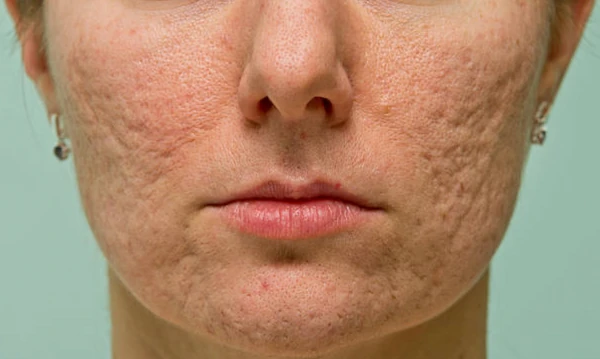
Ice-pick scars
Narrow, deep scars that look like small holes, most often on the cheeks.
UsuallyTargeted treatment plus resurfacing
Refine the texture — keep the character.
Acne scars can be indented, uneven, or textural — and sometimes mixed with pigment changes. The best outcomes come from matching the right tool to the scar type — with staged, doctor-led planning.
The essentials
Acne scar treatment at Platinum Medical Center in Lusail starts by identifying the types of scar you have, because most people have a mix: narrow ice-pick scars, wider boxcar scars, wave-like rolling scars, raised scars, and the red or brown marks that look like scars but are not. Active acne is controlled first. The plan then combines fractional laser, microneedling or RF microneedling (Infini) for texture, injections for raised scars, and PRP or PRF in selected cases. A realistic goal is a clear improvement in depth and texture, usually over 3 to 5 sessions 4 to 6 weeks apart, with results building over 3 to 6 months.
Our approach
Most people have more than one type of scar, so most plans combine more than one treatment.
We assess scar pattern, skin type, sensitivity, and downtime preferences — then build a plan that may combine multiple modalities. If you still have active breakouts, start with acne treatment first to reduce new scarring risk.
For scars that are not from acne, such as surgical, injury or burn scars, see scars treatment.
Types of acne scars
The type of scar decides the treatment, so your doctor maps them first.
Narrow, deep scars that look like small holes, most often on the cheeks.
UsuallyTargeted treatment plus resurfacing
Wider scars with sharp edges and a flat base, like small craters.
UsuallyFractional laser or RF microneedling
Broad, shallow dips that give the skin a wave-like look, caused by bands of scar tissue pulling the skin down.
UsuallyMicroneedling or RF microneedling, often combined
Firm, raised scars, more common on the jawline, chest and back, and in skin that forms keloids.
UsuallyInjections into the scar, sometimes laser
Flat pink or red marks left after a spot heals. They are not true scars and usually fade, faster with treatment.
UsuallySun protection; laser or light in selected cases
Flat brown marks left by inflammation, more common in darker skin. They fade with time and lightening care.
UsuallyLightening care and sun protection
Treatments
Most plans combine two or three of these, in an order your doctor sets.
Fractional laser is commonly selected to refine texture and support the appearance of acne scars. Explore our fractional laser page for a deeper overview.
Microneedling supports collagen renewal and can improve scar texture gradually. See microneedling for details.
RF microneedling combines microneedling with energy delivery to support texture and firmness — selected based on scar type and skin quality. Learn more about Infini RF microneedling.
In selected cases, regenerative options may be used to support skin quality within a wider plan. Explore Platelet-Rich Plasma (PRP) and Platelet-Rich Fibrin (PRF).
An anti-inflammatory medicine placed into a raised scar flattens and softens it, usually every 4 to 6 weeks. See injections into the skin.
New breakouts create new scars, so ongoing acne is brought under control before scar treatment starts.
Compare
The same treatment does not suit every acne scar. This is how the main types are usually approached.
Acne scars rarely disappear completely, but most can be made far less noticeable.
The visit
From the first consultation to your last review, here is what to expect.
 First visit
Your doctor examines your scars in different lighting, identifies each type, checks for active acne, asks about previous treatments and courses of strong acne tablets, takes photos, and explains which treatments suit your scars, the downtime and the alternatives.
Active acne is treated first. Before laser or needling, stop exfoliating acids and vitamin A creams for about 5 to 7 days, avoid tanning, and tell your doctor about cold sores. After a course of strong acne tablets, treatment usually waits several months.
 About 45 to 90 minutes
Numbing cream is applied first. Depending on the plan, fractional laser, microneedling or RF microneedling treats the scarred area, sometimes with PRP, and raised scars may be injected in the same visit.
 The first week
Expect redness and swelling for 1 to 3 days after microneedling and up to 5 to 7 days after deeper laser, with some flaking. Use a gentle cleanser, moisturiser and sunscreen, and avoid make-up, exercise and saunas for a few days.
Most plans need 3 to 5 sessions, with photos in the same lighting at each review, so progress is judged fairly before the next step.
Results
The skin looks smoother and more even, and shallow scars start to soften.
Scar depth and texture improve gradually over 3 to 6 months as new collagen forms.
Improvement lasts once acne is under control. Ageing can deepen scars over the years, so occasional maintenance helps.
Results vary with the type and depth of the scars, your skin type, and how closely aftercare and sun protection are followed.
Acne scars in Qatar
Sun darkens healing skin and the marks around scars, and in Qatar it is strong all year.
Suitability
Usually suitable
Wait, or choose another option
Your doctor advises when to start, often once acne has been quiet for a few months.
Safety
Redness, swelling and flaking are expected after laser and needling and settle within days. Temporary dark patches can follow, more often in darker skin, and usually fade. Breakouts, cold sore flares and infection are uncommon. Injections into raised scars can thin or lighten the skin if repeated too often.
Settings matched to your skin type, a test patch where it helps, properly spaced sessions, careful aftercare and sun protection keep these risks low. Report increasing pain, spreading redness or signs of infection promptly.
Your plan
Acne scar treatment is planned around your scars, so the fee depends on the treatments and the course. You receive a personalised treatment plan, including fees, after your assessment.
Insurers usually treat acne scar improvement as cosmetic, so check your policy.
Your consultation
Most people have a mix, and each type responds to different treatment.
Ask what change to expect for your scars: smoother texture and shallower scars, not perfect skin.
Downtime ranges from a day to a week depending on the treatment, so plan around work and events.
If you still get breakouts, ask how they will be controlled before scar treatment starts.
Your specialist
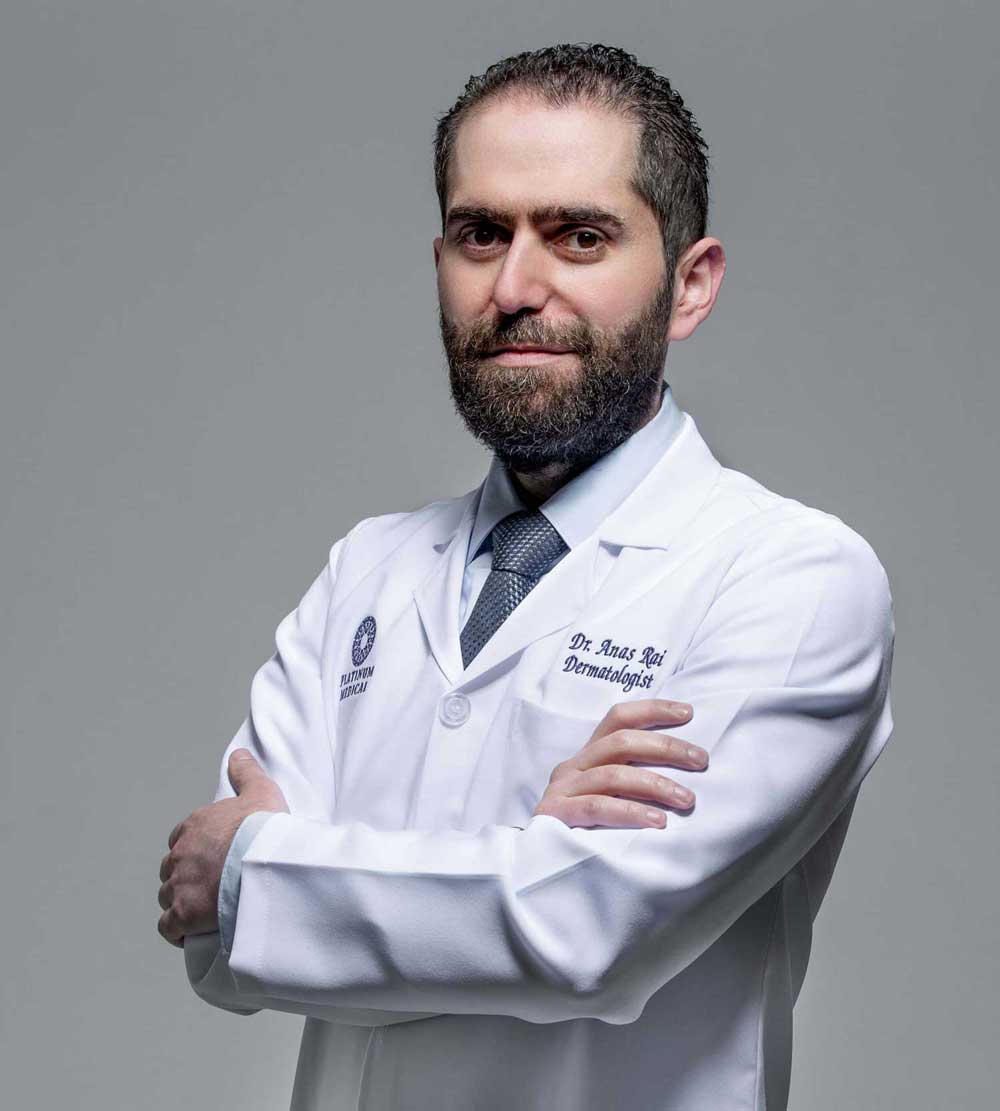
Medical Director & Specialist Dermatologist
Dr. Anas maps each type of scar and plans the treatment: which methods, in which order, and when to review. He has more than 15 years of experience in dermatology across Syria and Qatar, including acne and acne scar treatment.
Questions
Rarely. Most acne scars can be made much shallower and less noticeable, and many become hard to see in normal light.
It depends on the scar type. Boxcar and ice-pick scars respond to fractional laser and RF microneedling, rolling scars to microneedling and RF microneedling, and raised scars to injections. Most plans combine methods.
Ice-pick, boxcar and rolling scars are indented; hypertrophic and keloid scars are raised. Red and brown marks after acne are not true scars.
Usually 3 to 5 sessions about 4 to 6 weeks apart, depending on the types and depth of the scars.
Some improvement shows after the first sessions, and texture keeps improving for 3 to 6 months as collagen forms.
Fractional laser often works better for deeper boxcar scars, while microneedling suits rolling scars and darker skin, with less downtime. RF microneedling sits in between.
Numbing cream is used, so most people feel heat, pricking or vibration rather than pain.
About 1 to 3 days after microneedling, 2 to 4 days after RF microneedling, and up to 5 to 7 days after deeper laser.
Active acne is controlled first, because new breakouts create new scars and inflamed skin heals less well.
Often not. Many fade with time, sun protection and the right skin care, and laser or light is used in selected cases.
Yes, with settings adjusted for darker skin and careful sun protection, which keep the risk of dark patches low.
PRP added to microneedling or laser can support healing and results, especially for rolling scars and skin quality.
Treated scars do not return, but new acne can cause new scars, so keeping acne controlled protects the result.
The fee depends on the types and extent of the scars, the treatments used and the number of sessions. You receive a personalised treatment plan, including fees, after your assessment.
Further reading
Private consultation
Prefer guidance? Book a consultation and we’ll curate the safest plan around your scar type and skin.

Doctor-led dentistry, dermatology & aesthetics — crafted in Lusail with calm precision.


