


Dull or tired skin
A facial or light peel removes the dull outer layer and hydrates, for a fresher, brighter look within days.
UsuallyA facial or light peel
Texture, clarity, and glow — refined.
Facials and peels are selected to support clearer tone, smoother texture, refined pores and a healthier glow. We begin with an assessment — then tailor the safest plan around your skin type and sensitivity.
The essentials
Facials and chemical peels at Platinum Medical Center in Lusail are planned by a specialist dermatologist for a clear goal: brighter, smoother skin, smaller-looking pores, fewer breakouts or lighter dark spots. A medical facial cleans, exfoliates and hydrates the skin with little or no downtime, while a chemical peel uses a controlled acid solution to remove dull outer layers and renew the skin. Light peels take about 30 minutes and are repeated every 2 to 4 weeks, usually as a course of 3 to 6; deeper peels are used in selected cases. The strength is chosen for your skin type and the Qatar sun, to avoid irritation and dark patches.
Our approach
The right treatment depends on your skin and the result you want, not on a set menu.
Not all “glow” treatments are equal. The right option depends on oiliness, congestion, sensitivity, pigment risk, and the finish you want. In many cases, facial protocols pair well with skin quality injectables such as skin boosters or structured rejuvenation such as skin rejuvenation.
What they help
Each concern has a treatment that suits it best.
A facial or light peel removes the dull outer layer and hydrates, for a fresher, brighter look within days.
UsuallyA facial or light peel
Deep cleansing, extraction and peels that clear oil from the pores make them look smaller and keep blackheads under control.
UsuallyEvery 4 weeks
Peels help clear blocked pores and calm breakouts alongside a home routine; see acne treatment.
UsuallyWith a prescription routine
A course of peels lightens sun spots, acne marks and uneven tone, with careful choice of strength to avoid new dark patches; see pigmentation and melasma.
UsuallyA course of 4 to 6 peels
Peels smooth fine lines and rough skin by renewing the surface, and work well with other skin-quality treatments.
UsuallyCombined with other treatments
A gentle facial or light peel a week or two before a wedding or event gives a fresh glow with no visible recovery.
Usually1 to 2 weeks before
Treatments
Facials and peels are chosen and combined to suit your skin.
Facials can support hydration, gentle exfoliation, congestion control and radiance — with a plan customised to your skin type and seasonality.
UsuallyNo downtime
Chemical peels range from gentle to more active formulas. We select strength and timing based on your skin type, pigment risk, and tolerance — aiming for safe, staged improvement.
UsuallyStrength chosen for your skin
Medium-strength peels treat deeper sun damage, marks and lines in selected skin types, with about a week of peeling and careful preparation.
UsuallyAbout a week of peeling
Aftercare is key to stable results. We’ll guide you on barrier-friendly skincare, what to avoid, and how to protect your glow — especially in heat and sun exposure.
UsuallySunscreen every day
Facials and peels can be combined with mesotherapy, skin boosters and Karisma for skin quality. For deep cleansing and hydration with no downtime, see HydraFacial.
Compare
The difference is how deep each treatment works and how much recovery it needs.
A good peel is chosen for your skin, not for how much it peels.
The visit
From the first consultation to the end of your course, here is what to expect.
 First visit
Your dermatologist examines your skin type, oiliness, sensitivity and any dark spots or acne, asks about your products, sun exposure and previous treatments, and recommends a facial, a peel or both, with the number of sessions and the alternatives.
Stop strong exfoliating products and avoid waxing, tanning and strong sun on the face for about a week before a peel. Some people are given a cream to prepare the skin.
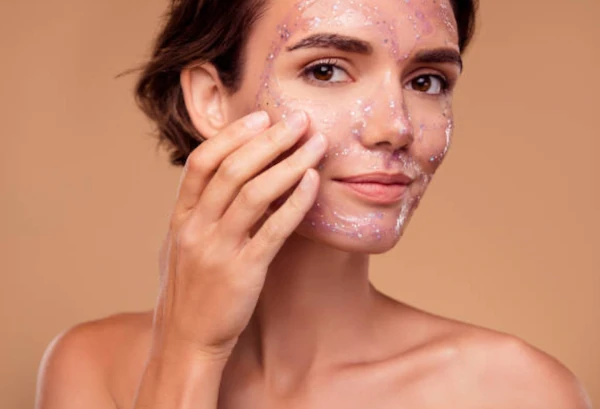 About 30 to 60 minutes
The skin is cleansed, then the peel solution is applied for a set time and removed. A facial includes cleansing, gentle exfoliation, extraction where needed and a hydrating mask.
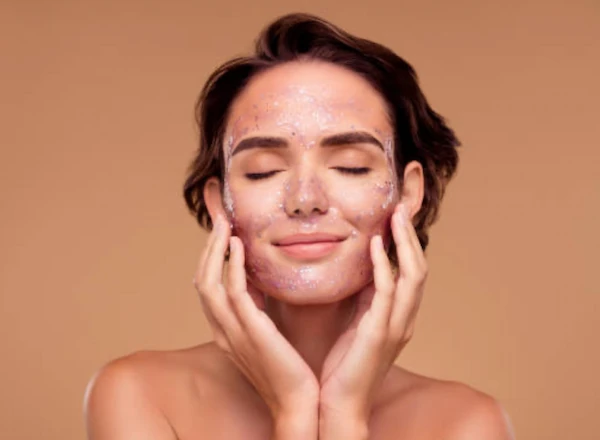 The days after
Use a gentle cleanser, a moisturiser and sunscreen. Do not pick flaking skin, and avoid saunas, strenuous exercise and strong sun for a few days.
Light peels are repeated as a course of 3 to 6, then every few months to keep the result.
Results
The skin looks fresher and more hydrated straight away, with no recovery time.
Once the flaking settles in 2 to 5 days, the skin looks brighter and smoother.
Dark spots, marks and texture improve over 3 to 6 sessions, and sunscreen keeps the result.
Facials and peels in Qatar
Sun and heat make freshly peeled skin more likely to darken, so timing and protection matter.
Suitability
Usually suitable
Wait, or choose another option
If you have sensitive skin or rosacea, your doctor may choose gentler options or avoid peels.
Safety
After a light peel, redness, tightness and flaking for a few days are normal. Less often, a peel can cause irritation, cold sores in people prone to them, or dark patches, especially in darker skin or after sun exposure.
Choosing the right strength for your skin, preparing the skin when needed, a test area on sensitive skin, sun protection and properly spaced sessions keep these risks low. Contact the clinic if your skin becomes very red, painful or blistered.
Your plan
The fee depends on the treatment and how many sessions your skin needs.
You receive a personalised plan, including fees, after your assessment. Insurers usually treat facials and peels as cosmetic, so check your policy.
Your consultation
Ask what each would change for your skin, and why one is recommended.
Ask how the strength is chosen for your skin type and the risk of dark patches.
Ask how long the skin will flake, so you can plan around work and events.
Agree the course and when the result will be reviewed.
Your specialist
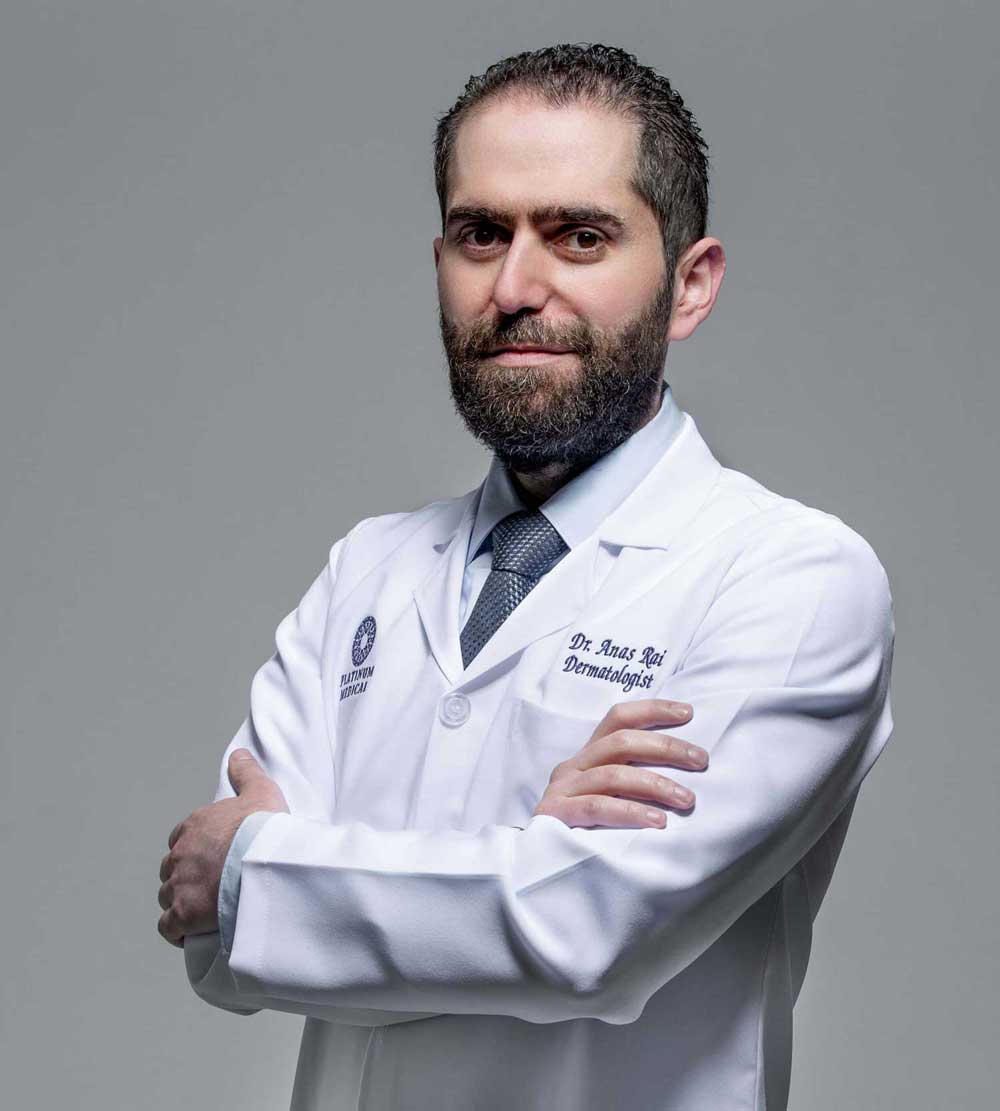
Medical Director & Specialist Dermatologist
Dr. Anas assesses your skin and plans the treatment: whether a facial or a peel suits it, the strength of the peel, how many sessions and what to combine it with. He has more than 15 years of experience in dermatology across Syria and Qatar, including chemical peels and skin-quality treatments.
Questions
A facial cleans, exfoliates and hydrates the skin with no downtime. A chemical peel uses a controlled acid solution to remove the outer layers and renew the skin, with a few days of flaking.
It depends on your skin type and concern. Light peels suit most people, and deeper peels are used in selected cases. Your dermatologist chooses the strength after assessing your skin.
Most people feel tingling or warmth for a few minutes. Light peels are well tolerated.
Usually 2 to 5 days after a light peel, and about a week after a deeper peel.
Usually a course of 3 to 6 light peels, 2 to 4 weeks apart, then maintenance every few months.
Peels lighten sun spots and acne marks. Melasma needs a careful medical plan, and only gentle peels are used, because strong peels can make it worse.
Yes. Peels help clear blocked pores and calm breakouts, and are often combined with a prescription routine.
Yes, with the right peel and strength. Darker skin needs gentler peels and careful sun protection to avoid dark patches.
Yes. Facials and peels suit men too, for oily skin, blackheads, ingrown hairs from shaving and dull skin.
Strong peels are avoided in pregnancy and breastfeeding. Gentle facials are usually fine; ask your doctor.
A light peel 1 to 2 weeks before gives any flaking time to settle. A gentle facial can be done a few days before.
Usually after 24 hours, once any redness has settled. Use gentle, clean products.
Every 4 to 6 weeks suits most people, in line with how quickly the skin renews.
The fee depends on the treatment, the strength of the peel and the number of sessions. You receive a personalised plan, including fees, after your assessment.
Further reading
Private consultation
Prefer guidance? Book a consultation and we’ll recommend the right plan for your skin.

Doctor-led dentistry, dermatology & aesthetics — crafted in Lusail with calm precision.


