


Blackheads and whiteheads
Blocked pores with little redness, often on the nose, forehead and chin. They respond well to the right cream and gentle in-clinic exfoliation.
UsuallyPrescription creams and peels
Control inflammation. Protect the barrier. Reduce recurrence.
Acne treatment at Platinum Medical Center in Lusail starts by assessing active breakouts, flat marks and changes in skin texture separately. Tell the dermatologist about previous treatments, current products and skin sensitivity so you can discuss an appropriate plan and realistic expectations.
The essentials
Acne is treated at Platinum Medical Center in Lusail by a specialist dermatologist who first works out which type you have: blackheads and whiteheads, red and painful spots, deep cysts, hormonal acne along the jaw, or acne on the back and chest. Most plans combine a simple skin routine with prescription creams, and add tablets or in-clinic treatments such as chemical peels when acne is more stubborn. Breakouts usually settle over 8 to 12 weeks of consistent treatment, and the marks and scars left behind are treated once the acne is under control.
Our approach
Acne has several causes, so the plan follows the type of acne you have rather than a single product.
The best results come from matching the right approach to your acne type — then staying consistent. Once breakouts are controlled, we can safely target marks and texture using staged protocols.
Types of acne
Each type responds to different treatment, which is why the first visit starts with a diagnosis.
Blocked pores with little redness, often on the nose, forehead and chin. They respond well to the right cream and gentle in-clinic exfoliation.
UsuallyPrescription creams and peels
Inflammatory acne often improves with structured care. In selected cases, we may use supportive in-clinic treatments alongside a routine designed to reduce flare-ups.
UsuallyA cream, sometimes with tablets
Large, painful lumps under the skin carry the highest risk of scarring, so they are treated early and more firmly, often with prescription tablets.
UsuallyEarly treatment to prevent scars
Breakouts along the jaw and chin that flare before a period are common in women in their twenties and thirties. Your doctor may suggest hormone tests and a treatment that targets the cause.
UsuallyHormone tests when needed
Acne on the body is common with heat, sweat and tight sports clothing. Washes, creams and sometimes tablets are used, as on the face.
UsuallyAdvice on sweat and clothing
Once active acne is controlled, we can target marks and texture. Explore fractional laser, microneedling and scars treatment, or visit our dedicated acne scars treatment page.
UsuallyAfter acne is controlled
Treatments
Most people need more than one of these, adjusted at each review.
Creams and tablets are prescribed only after your doctor has examined your skin, and the plan is adjusted at each review.
Compare
Flat marks left after a breakout are not the same as indented or raised scars. The assessment helps distinguish these concerns before treatment is considered.
Clear the acne first, then treat the marks. That order protects your skin.
The visit
From the first consultation to maintenance, here is what to expect.
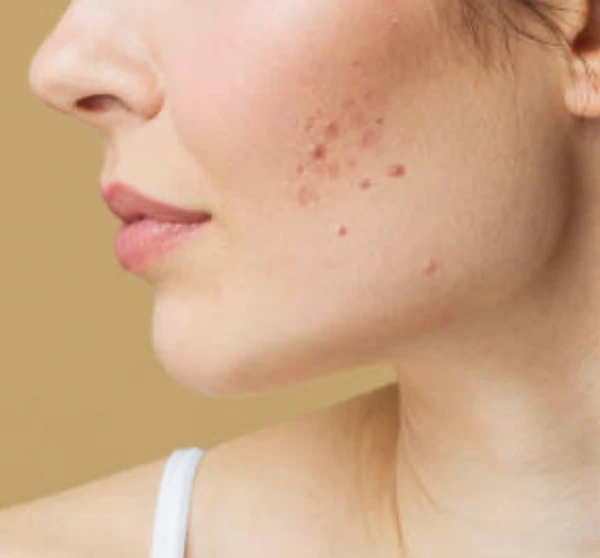 First visit
Your dermatologist examines your skin, identifies the type of acne and any marks or scars, and asks about previous treatments, the products you use, your periods and any medicines, then explains the plan, how long it takes and the alternatives.
You leave with a clear routine: what to apply in the morning and evening, what to stop using, and any prescription. Blood tests are arranged first if a tablet needs them.
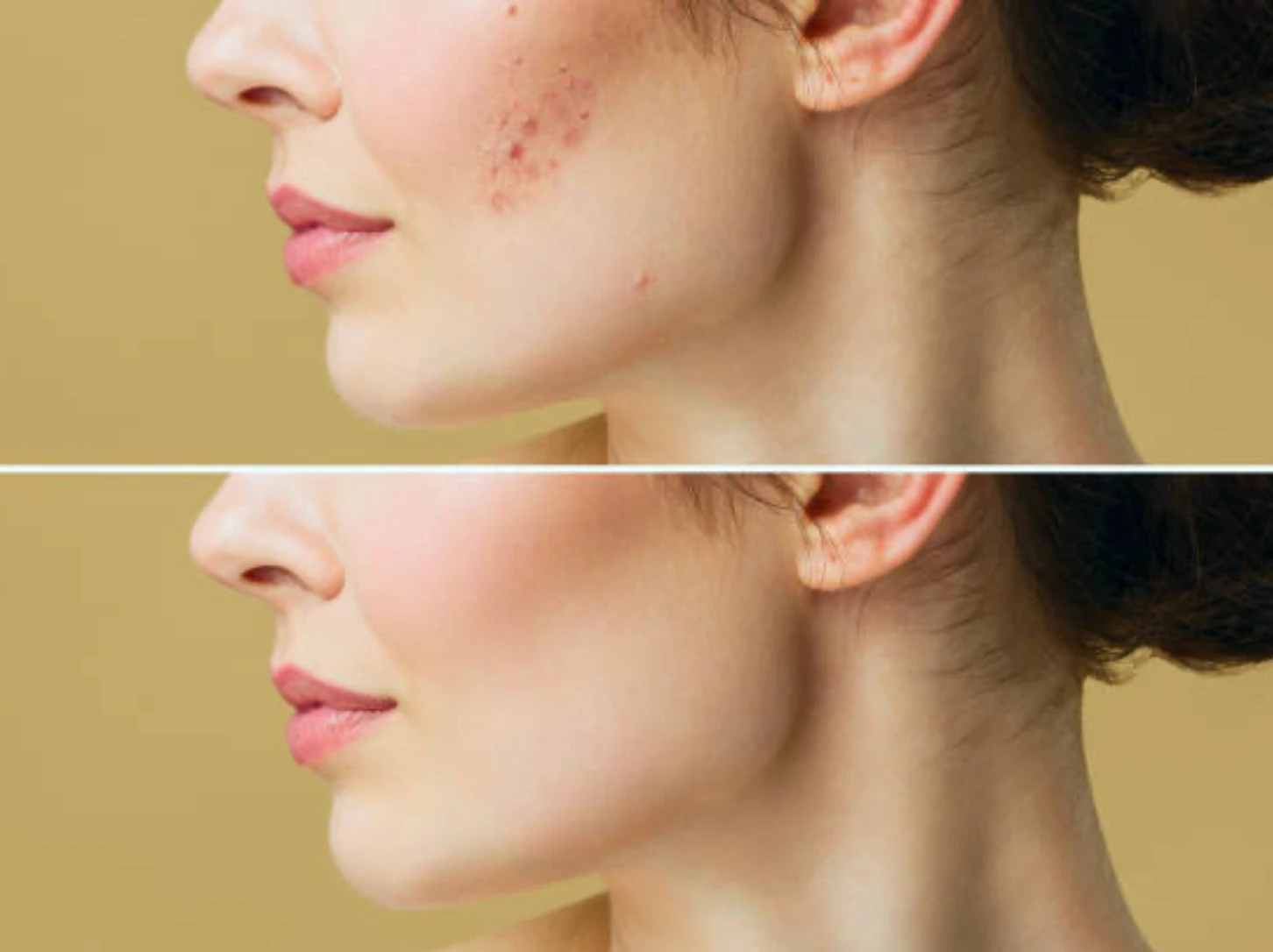 Weeks 2 to 8
If peels or extraction are part of your plan, they are done every 2 to 4 weeks, and each visit takes about 30 to 45 minutes.
Your doctor checks how your skin has responded and how well it tolerates the treatment, and adjusts the plan. Most people need two or three reviews.
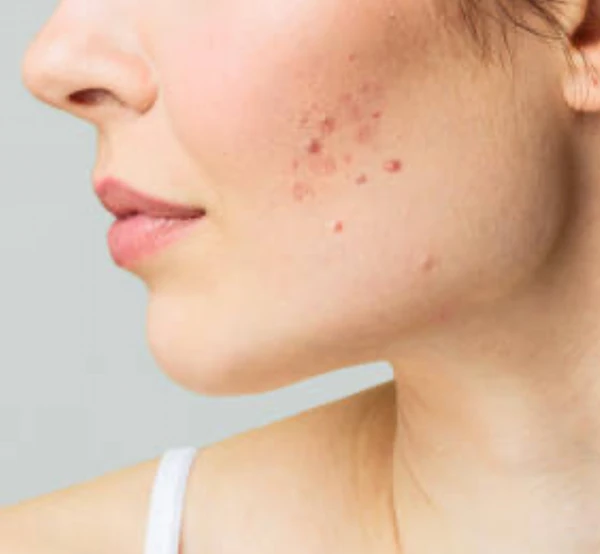 Once acne is controlled
When breakouts are under control, marks and scars can be treated, and a simple maintenance routine keeps acne from coming back.
Results
Creams can make the skin drier or slightly irritated for 2 to 4 weeks while it adjusts, and new spots can still appear.
Most people see far fewer spots after 8 to 12 weeks of consistent treatment; stubborn acne may need a change of plan.
Acne can return, so a light maintenance routine keeps the skin clear once treatment has worked.
Acne in Qatar
The climate in Qatar affects acne-prone skin in ways that are easy to plan around.
Suitability
Usually suitable
Plan carefully, or see us soon
Spots that look like acne can be rosacea or an infection of the hair follicles, which are treated differently; your doctor checks this at the first visit.
Safety
Acne creams commonly cause dryness, redness and peeling in the first few weeks; starting slowly and using a moisturiser usually settles this. Peels can leave the skin red for a day or two and, in darker skin, can cause temporary dark patches if the skin is irritated or exposed to sun. Tablets have their own side effects, which your doctor explains before you start, with blood tests where needed.
Starting gently, protecting the skin from sun, regular reviews and choosing safer options in pregnancy keep these risks low. Tell your doctor promptly if irritation is severe, or if you notice a change in your mood while taking tablets.
Your plan
Acne treatment is planned around your skin, so the fee depends on what your plan includes.
You receive a personalised plan, including fees, after your assessment. Some insurance policies cover medical acne treatment but not cosmetic treatments, so check your policy.
Your consultation
Ask which type it is and what is causing it, because that decides the treatment.
Most treatments take 6 to 8 weeks to start working; agree when your first review will be.
Bring your products, or photos of them, so your doctor can tell you what to keep and what to stop.
Ask when they can be treated, and which treatment suits your skin type.
Your specialist
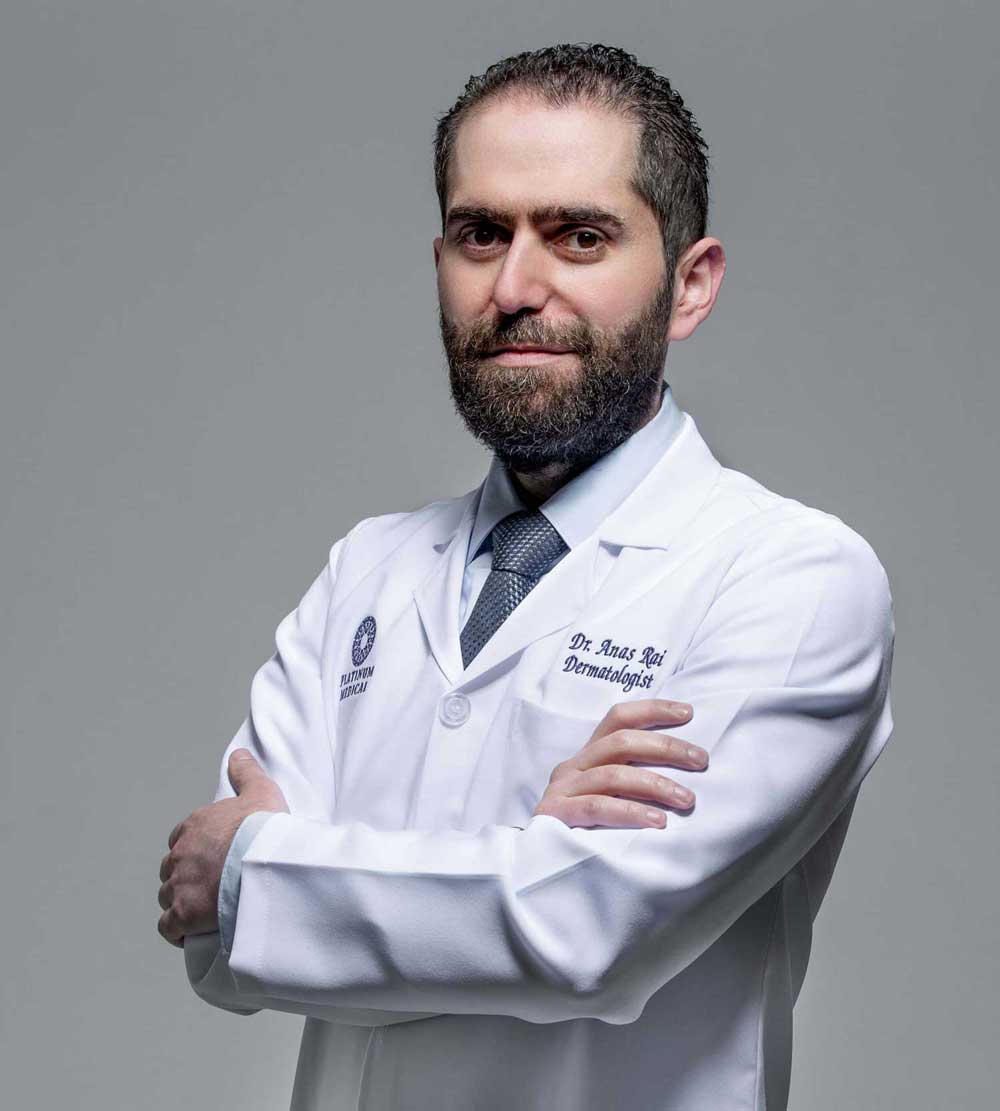
Medical Director & Specialist Dermatologist
Dr. Anas examines your skin, identifies the type of acne and plans the treatment: the routine, any prescription, in-clinic treatments and when to treat marks and scars. He has more than 15 years of experience in dermatology across Syria and Qatar, including acne and acne scarring.
Questions
The best treatment depends on your type of acne. Mild acne usually responds to prescription creams, while widespread, cystic or scarring acne may need tablets. A dermatologist can tell you which applies to you.
Most treatments take 6 to 8 weeks to start working, and the skin is usually much clearer after 8 to 12 weeks of consistent use.
Yes, if your acne has not improved after 2 to 3 months of shop products, if it is painful or leaving marks or scars, or if it is affecting your confidence.
Acne can be controlled, and many people stay clear for long periods. Because it can return, a simple maintenance routine is usually advised.
Yes. Hormonal acne along the jaw and chin is common in adult women. Your doctor may suggest hormone tests and a treatment that targets the hormonal cause.
Yes. Body acne is treated with washes, creams and, when it is widespread, tablets, along with advice on sweat and clothing.
Lighter peels help clear blocked pores and fade marks, and are often added to creams. They are usually repeated every 2 to 4 weeks.
Some acne treatments are not used in pregnancy or breastfeeding, but safer options exist. Tell your doctor if you are pregnant, breastfeeding or planning a pregnancy.
Creams can cause dryness and mild irritation in the first weeks, and some people have a short flare. Starting slowly and moisturising usually helps.
Flat marks can often be treated alongside acne, but indented scars are usually treated once breakouts are controlled, so new acne does not undo the result.
It is best not to. Squeezing pushes inflammation deeper and increases the risk of dark marks and scars. Blackheads can be cleared safely in the clinic.
For some people, sugary foods and large amounts of dairy seem to make acne worse. Your doctor can advise you, but diet alone rarely clears acne.
Yes. Young people under 18 are assessed with a parent or guardian, and the plan is explained to both.
The fee depends on the consultation, any prescription and the number of in-clinic treatments. You receive a personalised plan, including fees, after your assessment.
Further reading
Private consultation
Prefer guidance? Book a consultation and we’ll curate the safest plan around your skin.

Doctor-led dentistry, dermatology & aesthetics — crafted in Lusail with calm precision.


