


Keloids & Hypertrophic Scars (Selected Cases)
Intralesional injections may be used in selected cases to soften raised scars and reduce discomfort. Treatment is often staged over multiple sessions depending on response.
UsuallySeveral sessions
Targeted injection. Controlled dosing.
Intralesional injections deliver medication directly into a lesion — used in selected dermatology cases where local treatment is preferred. Your clinician will explain indications, suitability, concentration, and expected outcomes for your condition.
The essentials
Intralesional injections place a small amount of medicine directly into a skin lesion, such as a keloid, a raised scar, a painful acne cyst or a patch of alopecia areata, so it works where it is needed and very little reaches the rest of the body. At Platinum Medical Center in Lusail, a specialist dermatologist uses them in carefully selected cases, most often with a corticosteroid that calms inflammation and softens scar tissue. Each session takes about 10 to 20 minutes. Keloids and raised scars usually need several sessions 4 to 6 weeks apart, an acne cyst often settles within 2 to 3 days, and hair in alopecia patches often starts to regrow within 1 to 3 months.
Our approach
Injecting the medicine into the lesion treats it directly, with a far smaller dose than tablets would need.
The most common intralesional approach uses a corticosteroid in carefully selected cases. Treatment planning depends on lesion type, location, activity, and your medical history.
What they treat
Injections suit lesions that are raised, inflamed or active in one place.
Intralesional injections may be used in selected cases to soften raised scars and reduce discomfort. Treatment is often staged over multiple sessions depending on response.
UsuallySeveral sessions
For certain inflamed acne cysts, an intralesional injection may be considered to reduce inflammation quickly. Your doctor will assess suitability and advise the safest option.
UsuallySettles in 2 to 3 days
In selected cases, intralesional injections may be used for alopecia areata (patchy hair loss). Your clinician will assess pattern, activity and scalp sensitivity before recommending a plan.
UsuallyEvery 4 to 6 weeks
Small, thick patches of psoriasis, lichen or eczema that do not respond to creams can be treated with injections in selected cases.
UsuallySelected cases only
How it works
A very fine needle places the medicine exactly where it is needed.
For keloids, injections are often combined with other treatments, such as silicone gel or sheets and, in selected cases, laser or surgery; see scars treatment.
Compare
Both are raised scars, but they behave and respond differently, and flat scars need other treatments.
A small dose, placed in exactly the right place.
The visit
From the first consultation to your review, here is what to expect.
 First visit
Your dermatologist examines the lesion, asks how long it has been there, what has been tried and about your health, and explains whether injections suit it, how many sessions it may need, what to expect and the alternatives.
No special preparation is needed. Tell your doctor about your medicines, any recent course of steroid tablets, diabetes or an infection in the area.
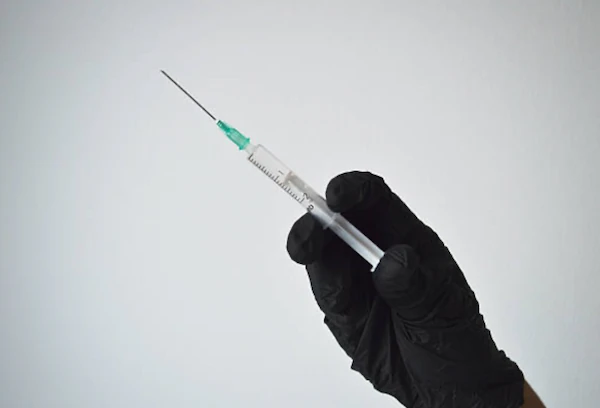 About 10 to 20 minutes
The area is cleaned and the medicine is injected into the lesion with a very fine needle. Numbing cream or cooling can be used for larger scars.
 The first days
Aftercare is usually simple. We’ll guide you on what to avoid, expected local reactions, and when to return for review. Plans may require staged sessions.
Your doctor checks the response, adjusts the dose and repeats the injection if needed, stopping once the lesion has settled.
Results
A painful cyst usually flattens and settles within 2 to 3 days.
Scars soften and itch less after the first sessions, and flatten gradually over several months.
New hair often starts to grow within 1 to 3 months; patches can return and are treated again if they do.
Raised scars in Qatar
Some skin types common in Qatar are more prone to keloids, and sun affects healing scars.
Suitability
Usually suitable
Wait, or choose another option
Widespread alopecia or many acne cysts usually need a wider treatment plan rather than injections alone.
Safety
Tenderness and small bruises at the injection site are common for a day or two. Less often, the skin around the lesion can become thinner, lighter in colour or slightly dented, or show small visible blood vessels; these changes often improve over months.
Using the lowest effective dose, injecting precisely into the lesion, spacing sessions properly and reviewing the response at each visit keep these risks low. Tell your doctor if the skin around the area thins or changes colour.
Your plan
The fee depends on the size and number of lesions and the sessions needed.
You receive a personalised plan, including fees, after your assessment. Treatment of medical conditions such as keloids or alopecia areata may be covered by insurance, so check your policy.
Your consultation
Ask whether injections, another treatment or a combination suits it best.
Agree the number of sessions, usually 4 to 6 weeks apart, and when the result will be reviewed.
Ask about thinning or colour change of the skin around the area, and what to do if you notice it.
Keloids and alopecia patches can return; ask how this is prevented and treated.
Your specialist
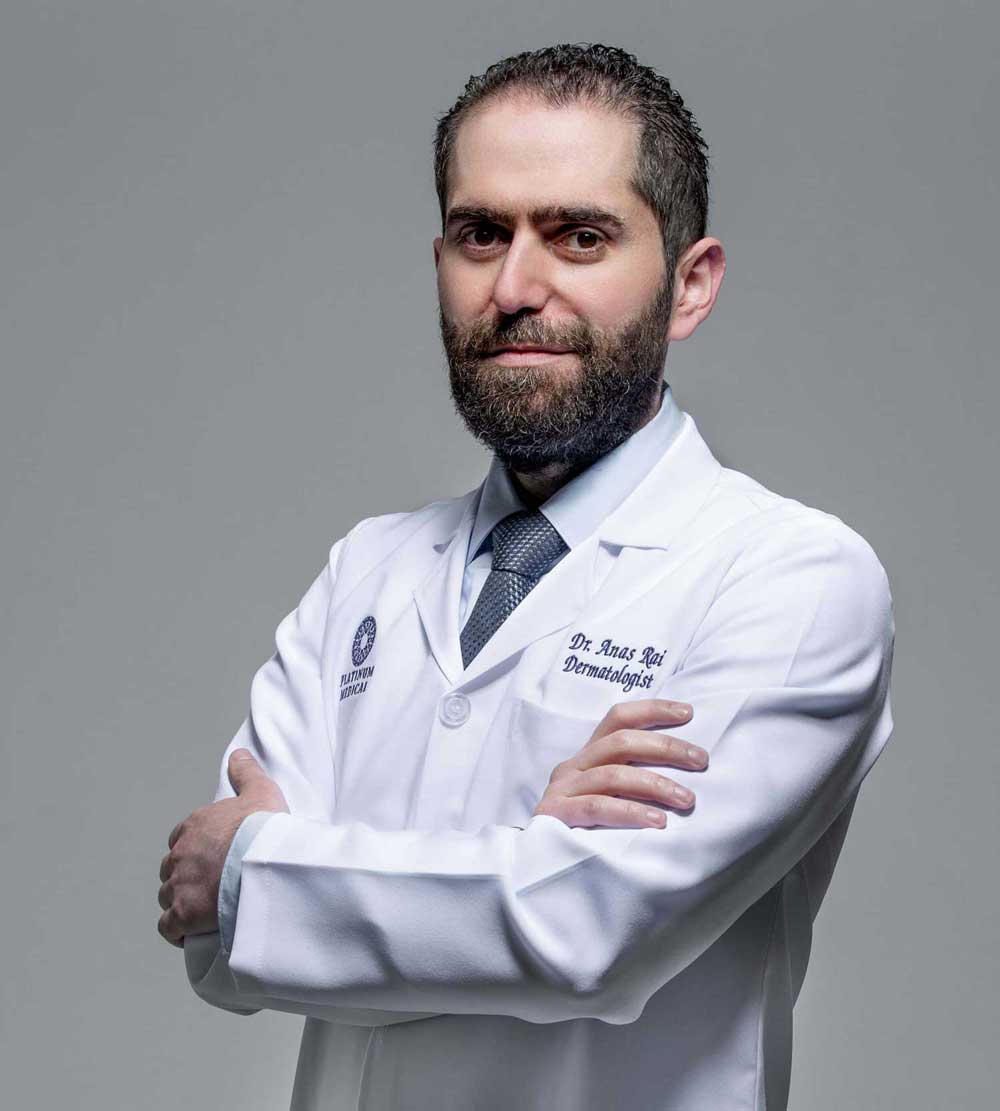
Medical Director & Specialist Dermatologist
Dr. Anas assesses the lesion, decides whether injections suit it and plans the dose, the number of sessions and any combined treatment. He has more than 15 years of experience in dermatology across Syria and Qatar, including the treatment of keloids, scars and alopecia areata.
Questions
Injections of a small amount of medicine directly into a skin lesion, such as a keloid, a raised scar, an acne cyst or a patch of alopecia areata.
Most often a corticosteroid, which calms inflammation and softens scar tissue. The dose is adjusted to the lesion and kept as low as possible.
Most people feel a brief sting and pressure. Numbing cream or cooling can be used for larger scars.
It depends on the lesion. An acne cyst often needs one injection; keloids and alopecia patches usually need several, 4 to 6 weeks apart.
An acne cyst usually settles within 2 to 3 days. Keloids soften over several sessions, and hair in alopecia patches often regrows within 1 to 3 months.
Keloids can be flattened and softened, but they can return, especially after surgery alone. Injections are often combined with other treatments to lower this risk.
Injections help raised scars. Indented acne scars are treated with other methods, such as microneedling or laser.
Yes. They are a common treatment for patches of alopecia areata on the scalp, beard or eyebrows.
Tenderness and bruising are common. Less often, the skin around the area thins, lightens or dents slightly, which usually improves over months.
No. Most people return to normal activities straight away.
This is discussed with your doctor first, and treatment is often postponed until after pregnancy and breastfeeding.
Yes, with care. Darker skin can lighten around the injection site, so low doses and precise injection are used.
Often, yes, after your doctor has examined it. The cyst usually settles within a few days.
The fee depends on the size and number of lesions and the number of sessions. You receive a personalised plan, including fees, after your assessment.
Further reading
Private consultation
Prefer guidance? Book a consultation and we’ll advise the safest option for your condition.

Doctor-led dentistry, dermatology & aesthetics — crafted in Lusail with calm precision.


