


Why Retreatment May Be Needed
A tooth can become reinfected for several reasons — complex canal anatomy, new decay, a crack, or a restoration that no longer seals properly. Our first step is to identify what changed.
UsuallyFind what changed
Clarity first. Then a plan you can trust.
Retreatment is considered when a tooth that had a root canal continues to show symptoms or develops a new infection. We reassess the tooth, identify the cause, then tailor the safest route to stabilise it.
For first-time treatment, see root canal treatment.
The essentials
Root canal retreatment treats a tooth that has had root canal treatment before but has become painful or infected again. At Platinum Medical Center in Lusail, the dentist first finds out why, through your symptoms, clinical tests and imaging, because the cause may be complex canal anatomy, new decay, a crack, or a filling or crown that no longer seals. Retreatment involves reopening the tooth, removing the old root filling, cleaning and disinfecting the canals again and resealing them, usually over 1 to 3 visits, followed by a well-sealed filling or crown. When a tooth has a deep crack or too little structure left, alternatives such as surgery or extraction and replacement are explained.
Our approach
Diagnosis decides whether retreatment is the right option.
We begin with a careful evaluation — symptoms, clinical tests, and imaging when indicated. Sometimes the solution is retreatment; in other cases, the tooth may need a restoration adjustment or a different surgical approach.
Not sure where to start? Begin with a general dentistry assessment.
Why it is needed
A root-filled tooth can become infected again for several reasons.
A tooth can become reinfected for several reasons — complex canal anatomy, new decay, a crack, or a restoration that no longer seals properly. Our first step is to identify what changed.
UsuallyFind what changed
Symptoms can be obvious or subtle. If you notice recurring pain or swelling, it’s worth an assessment.
UsuallyRecurring pain or swelling
Retreatment decisions start with diagnosis. We review symptoms, examine the tooth and gums, and use imaging when indicated to understand the root cause — then recommend the safest plan.
UsuallyDiagnosis first
If there’s active inflammation or infection, we focus on comfort and stability first — then proceed with the appropriate endodontic steps. Your dentist will advise the safest approach based on findings.
UsuallyComfort first
A strong, well-sealed restoration is essential after retreatment. Your dentist will advise whether a new filling is enough or a crown is recommended for long-term protection. Explore dental crowns and composite filling.
UsuallyThe seal protects
Sometimes retreatment isn’t the best option — for example, if the tooth has a deep crack, limited remaining structure, or a different surgical route is more appropriate. We’ll explain the alternatives clearly.
UsuallyOptions explained
Signs
Problems can appear months or years after the first treatment.
Some infections cause no symptoms and are found on an X-ray at a check-up.
Options
The main options for a root-filled tooth that has become infected again.
The first step is to find out what changed.
The visit
From diagnosis to a sealed, protected tooth, here is what to expect.
 First visit
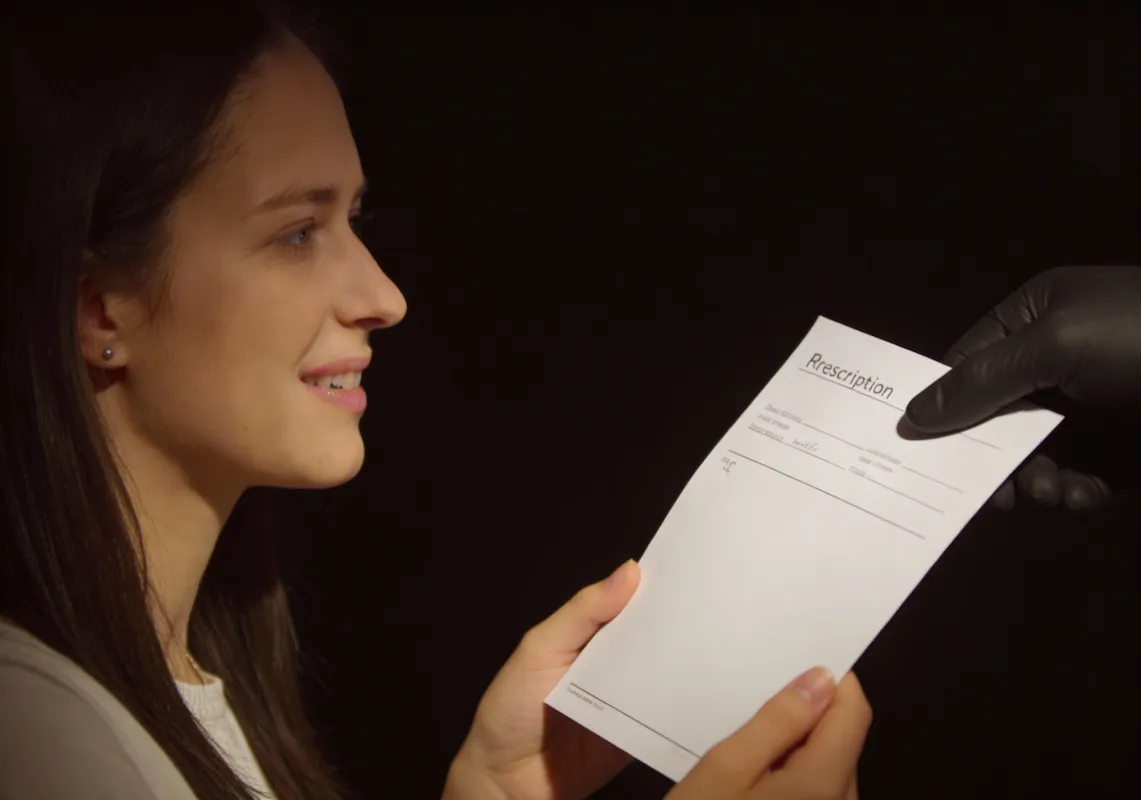
Your dentist reviews your symptoms, examines the tooth and gums, and uses imaging when indicated to find the cause.
 If needed first
If there is active inflammation or infection, the first visit focuses on relieving pain and calming the infection.
 Treatment visits
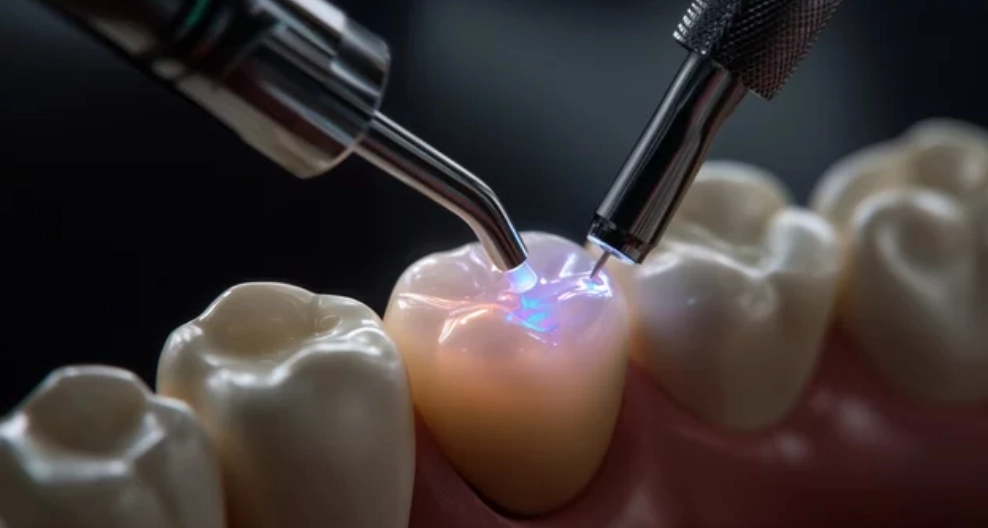
Retreatment typically involves reopening the tooth, removing prior filling material, disinfecting the canals again, and resealing. The number of visits depends on complexity and infection level.
 After treatment
A well-sealed filling or crown is placed to protect the tooth and stop bacteria getting back in.
Mild tenderness can occur after treatment. We’ll guide you on chewing, hygiene, and when to return if symptoms persist or worsen.
Results
Tenderness usually settles within days; healing of the bone around the root is checked on X-rays over the following months.
Successful retreatment lets you keep your natural tooth, which is usually the best option when it can be restored.
A crown is often recommended afterwards, especially for back teeth, to protect the tooth from cracking.
Root canal care in Qatar
Practical points for patients in Lusail and Doha.
Suitability
Often suitable when
Another option may suit better
Explore oral surgery, tooth extractions and dental implants if an alternative is recommended.
Safety
Tenderness for a few days is common. Less often, the tooth or root can crack, old materials can be difficult to remove, or the infection may not heal, in which case surgery or extraction is discussed.
Careful diagnosis, imaging when indicated, thorough cleaning of the canals and a well-sealed restoration afterwards improve the chance of success.
Your plan
The fee depends on the tooth and how complex the retreatment is.
You receive a personalised plan, including fees, after your assessment. Retreatment may be covered by dental insurance, so check your policy.
Your consultation
Ask what the examination and imaging show.
Ask about retreatment, surgery and extraction for this tooth.
Ask how the complexity affects the plan.
Ask whether a filling is enough or a crown is recommended.
Your specialist
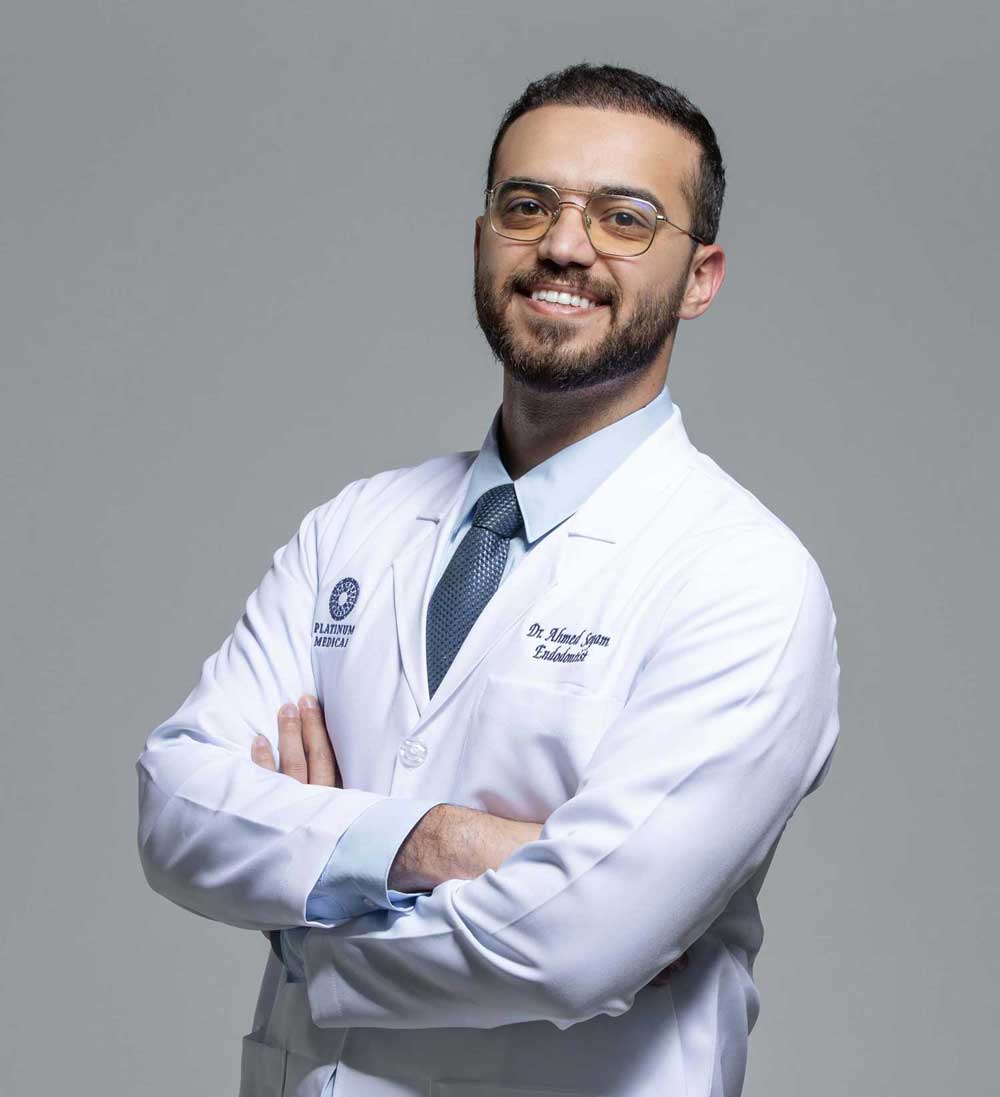
Cosmetic & Restorative Specialist
Dr. Ahmed assesses previously treated teeth at Platinum, plans and carries out root canal retreatment, and explains the alternatives when retreatment is not the best option.
Questions
A second root canal treatment on a tooth that has become painful or infected again: the old root filling is removed, and the canals are cleaned and resealed.
Common reasons include complex canals, new decay, a crack, or a filling or crown that no longer seals.
Pain when biting, swelling, a recurring gum pimple, or tenderness returning months or years later. Some cases have no symptoms.
The tooth is numbed, so it should not be. Tenderness for a few days afterwards is common.
Usually 1 to 3, depending on the complexity of the canals and the infection.
Keeping your natural tooth is usually best when it can be restored. If it cannot, extraction and replacement are discussed.
Often, especially for back teeth. Your dentist advises whether a new filling is enough.
Sometimes. If the infection does not heal, surgery at the root tip or extraction may be considered.
A deep crack in the root usually means the tooth cannot be saved, and the alternatives are explained.
Wait until the numbness wears off, and avoid chewing hard foods on that tooth until it is fully restored.
Usually yes. Imaging helps show the root, the old filling and any infection.
Yes. Bring any X-rays and records you have; they help plan the next step.
Urgent treatment can be done with care; tell your dentist if you are pregnant so that imaging and timing can be planned.
The fee depends on the tooth, its canals and the restoration needed. You receive a personalised plan, including fees, after your assessment.
Further reading
Private consultation
Prefer guidance? Book a consultation and we’ll assess your symptoms and recommend the safest next step — retreatment, restoration adjustment, or a structured alternative plan.

Doctor-led dentistry, dermatology & aesthetics — crafted in Lusail with calm precision.


