


Simple Extractions
A simple extraction is performed when the tooth is visible and can be removed with controlled technique. We prioritise comfort and clear post-visit instructions.
UsuallyVisible teeth
Clarity first. Comfort always.
Extractions are recommended when a tooth cannot be saved safely — or when removal protects your overall oral health. We plan carefully, explain options clearly, and guide you through calm aftercare.
In many cases, we explore alternatives before extraction — such as root canal treatment or dental crowns.
The essentials
At Platinum Medical Center in Lusail, a tooth is extracted when it cannot be saved safely, or when removing it protects the rest of your mouth: a badly broken or decayed tooth, a tooth loosened by advanced gum disease, a wisdom tooth causing problems, or crowding before orthodontic treatment. An oral and maxillofacial surgeon examines the tooth and takes X-rays first, and explains whether root canal treatment or a crown could save it. A simple extraction takes about 30 minutes, including numbing; a surgical or wisdom tooth extraction usually takes 30 to 60 minutes. Most people return to normal activities the next day, the gum closes within 2 to 3 weeks, and the bone underneath fills in over 3 to 6 months.
Our approach
Saving the tooth comes first. When it cannot be saved, the extraction is planned for comfort and for what comes next.
We assess the tooth, gums, and bite forces first. In some cases, stabilising treatment (like root canal treatment or a crown) may be recommended to preserve the tooth. When extraction is the safest route, we focus on comfort, controlled technique, and a plan for what comes next. If you need advanced surgical planning, see oral surgery.
Types
The tooth, its roots and its position decide how it is removed.
A simple extraction is performed when the tooth is visible and can be removed with controlled technique. We prioritise comfort and clear post-visit instructions.
UsuallyVisible teeth
When a tooth is impacted, broken, or difficult to access, a surgical extraction may be recommended. Your doctor will explain complexity, timing, and recovery clearly.
UsuallyImpacted or broken teeth
Wisdom teeth may cause swelling, repeated inflammation, decay in adjacent teeth, or pain. Suitability for removal depends on position and risk — we guide you through the safest plan.
UsuallyPosition and risk assessed
A tooth broken at the gum line, or a root left behind after an old extraction, is removed with care to protect the bone around it.
UsuallyBone protected
When advanced gum disease has destroyed the support around a tooth, removing it can protect the teeth next to it. The gums are treated first; see gum care.
UsuallyGums treated first
Sometimes a healthy tooth is removed to make space for straightening, as part of a plan agreed with your orthodontist.
UsuallyPlanned with your orthodontist
The procedure
Most extractions are quick once the area is numb.
Deeply impacted teeth and surgery near the sinus or nerves are planned as oral surgery.
Compare
When a tooth is badly damaged or infected, these are the usual options.
Save the tooth if you can. If you can’t, plan what comes next.
The visit
From the first assessment to healing, here is what to expect.
 First visit
We confirm the cause, assess gum health and stability, and use imaging when indicated — especially for roots near nerves or complex anatomy. You’ll know the plan before anything begins.
 The same or a later visit
The area is numbed, the tooth is removed gently, and you bite on gauze while a clot forms. Most simple extractions take about 30 minutes, including numbing.
Keep biting on the gauze as instructed and rest. Avoid rinsing, spitting, straws, smoking and hot drinks, so the clot stays in place.
 The first 2 weeks
Aftercare protects healing. We guide you on diet, hygiene, swelling control, and what to avoid — plus when to return if pain or swelling increases.
 After healing
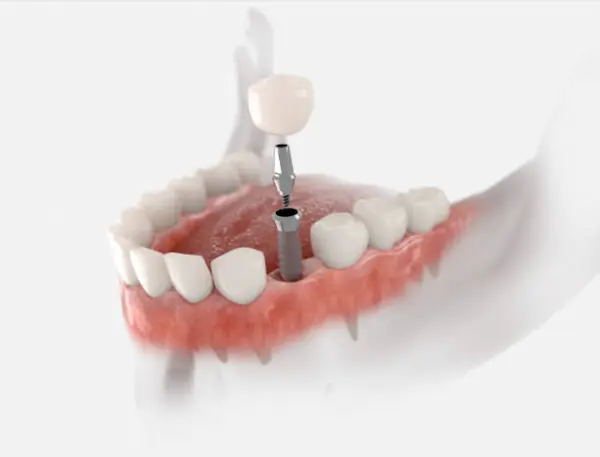
If a tooth is removed, we’ll discuss what comes next — whether you want to leave the space, or plan a replacement. Timing depends on gum health, bone support, and the tooth’s location — and we’ll guide you through the safest sequence.
Recovery
Bleeding settles within a few hours with gauze pressure. After a surgical extraction, swelling peaks at 2 to 3 days.
Soreness eases day by day, and dissolvable stitches disappear within 1 to 2 weeks.
The gum closes within 2 to 3 weeks, and the bone fills in over 3 to 6 months, ready for an implant if planned.
Recovery in Qatar
A few local points make recovery easier.
Suitability
Usually recommended for
Discussed first
Bring a list of your medicines to the consultation; some need planning before an extraction.
Safety
Bleeding, swelling and soreness are normal for a few days. Less often, the clot is lost and the socket becomes painful (dry socket), the area becomes infected, or, with lower wisdom teeth, a nearby nerve is bruised, causing numbness of the lip or tongue that is usually temporary.
Imaging before complex extractions, careful technique, clear aftercare and a review if pain increases after day 3 keep these risks low. Call us if bleeding does not stop, swelling keeps increasing or you develop a fever.
Your plan
The fee depends on the tooth and how complex its removal is.
You receive a personalised plan, including fees, after your assessment. Extractions may be covered by dental insurance, so check your policy.
Your consultation
Ask whether root canal treatment, a crown or gum treatment is an option before removal.
Ask how complex it is and how long recovery will take.
Ask about implants, bridges and dentures, and when each can be done.
Ask which signs mean you should call, and how to reach us.
Your specialist

Oral & Maxillofacial Surgeon
Dr. Ahmad assesses each tooth, confirms whether it can be saved, and carries out simple, surgical and wisdom tooth extractions at Platinum, with a plan for replacing the tooth where needed.
Questions
No. A local anaesthetic numbs the area, so you feel pressure but not pain. Soreness afterwards is usually managed with simple pain relief for a few days.
About 30 minutes for a simple extraction, including numbing, and usually 30 to 60 minutes for a surgical or wisdom tooth extraction.
Most people return to normal activities the next day. Soreness settles within a week, and the gum closes within 2 to 3 weeks.
Soft, cool foods such as yoghurt, laban, soups and mashed vegetables for the first days. Avoid very hot, hard or crunchy food, and chew on the other side.
A painful socket that develops when the blood clot is lost, usually 2 to 4 days after the extraction. It is treated in the clinic by cleaning the socket and placing a soothing dressing.
Avoid smoking, shisha, straws and vigorous rinsing for the first days, and follow your aftercare instructions.
No. Wisdom teeth that are healthy, fully through the gum and easy to clean can stay. Removal is advised when they cause pain, swelling, decay or damage to nearby teeth.
Often after a surgical or wisdom tooth extraction. Most stitches dissolve within 1 to 2 weeks.
Usually yes after a simple extraction. After a surgical or wisdom tooth extraction, some people take 1 to 2 days off.
Sometimes at the same visit, or more often about 3 months later, once the gum and bone have healed. This is decided at your assessment.
Usually yes, with planning. Tell your dentist about all your medicines, and do not stop any medicine without your doctor’s advice.
Urgent extractions can be done with care, and non-urgent treatment is usually planned for the second trimester. Tell your dentist if you are pregnant.
Yes, when a baby or adult tooth needs removing. Children are seen with a parent or guardian.
The fee depends on whether the extraction is simple or surgical, the tooth’s position and any imaging. You receive a personalised plan, including fees, after your assessment.
Further reading
Private consultation
Prefer guidance? Book a consultation and we’ll recommend the safest approach — simple extraction, surgical extraction, or a staged plan with clear aftercare.

Doctor-led dentistry, dermatology & aesthetics — crafted in Lusail with calm precision.


