


Decay Repair (Caries)
Fillings remove decay and seal the tooth to prevent progression — restoring function while keeping the result discreet and natural.
UsuallySeals the tooth
Comfort first. Precision always.
Composite (tooth-coloured) fillings repair teeth affected by decay, small fractures, or wear — restoring strength and appearance with a seamless finish matched to your natural shade.
Most fillings are completed in one visit — we’ll guide you on aftercare and any temporary sensitivity.
The essentials
A composite filling repairs a tooth with a tooth-coloured resin that is bonded to the tooth and matched to its shade. At Platinum Medical Center in Lusail, the dentist first confirms the cause, whether decay, a chip, wear or sensitivity, and checks your bite, then removes the decay, places the composite in layers, hardens each layer with a blue light, and shapes and polishes it. Most fillings take 20 to 60 minutes, with local anaesthetic when needed, and some sensitivity for a few days is normal. Composite fillings typically last for years, often 5 to 10 or more, depending on their size, your bite and your habits; a badly weakened tooth may need a crown instead.
Our approach
The cause of the problem decides the repair.
We begin with a structured assessment to confirm the cause (decay, fracture, wear, or sensitivity) and check bite forces. Fillings are placed with careful isolation and shade matching — then shaped and polished for a natural contour and light reflection. If the tooth is significantly weakened, we may recommend a stronger restoration such as a dental crown.
Uses
Composite repairs damage while keeping the tooth natural in appearance.
Fillings remove decay and seal the tooth to prevent progression — restoring function while keeping the result discreet and natural.
UsuallySeals the tooth
Composite can repair minor chips and small fractures, restoring the tooth’s shape and strength with a seamless finish.
UsuallyShape restored
Composite fillings are designed to blend — matched carefully to your tooth shade, then contoured for natural proportions and shine.
UsuallyShade-matched
Old fillings that are worn, cracked, stained or leaking can be replaced with composite once the tooth has been assessed.
UsuallyWhen needed
Notches worn near the gum line by brushing or grinding can be covered with composite to reduce sensitivity and protect the tooth.
UsuallyProtection
Fillings typically last for years depending on bite forces and habits. We’ll guide you on care, sensitivity expectations, and when to review.
UsuallyReviewed at check-ups
The procedure
Most fillings are completed in a single visit.
The filling is fully set when you leave, so you can eat once the numbness has worn off.
Compare
Three ways to repair or improve a tooth, and when each suits.
A good filling blends in and keeps the tooth strong.
The visit
From assessment to aftercare, here is what to expect.
 First visit
Your dentist examines the tooth, checks your bite and uses an X-ray when needed to see the depth of decay or damage.
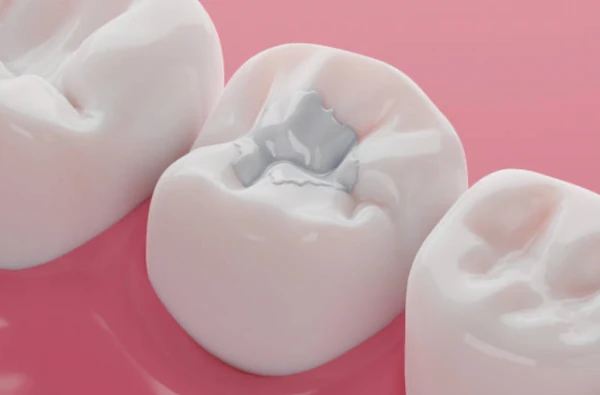 Before treatment
The composite shade is chosen to match your tooth before it is placed.
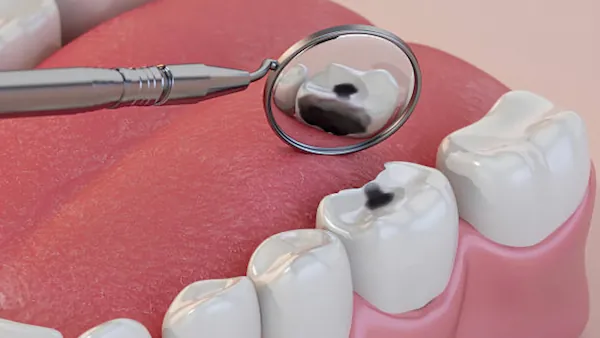 Usually 20 to 60 minutes
Decay is removed, the tooth is kept dry, and the composite is placed in layers and hardened with a blue light.
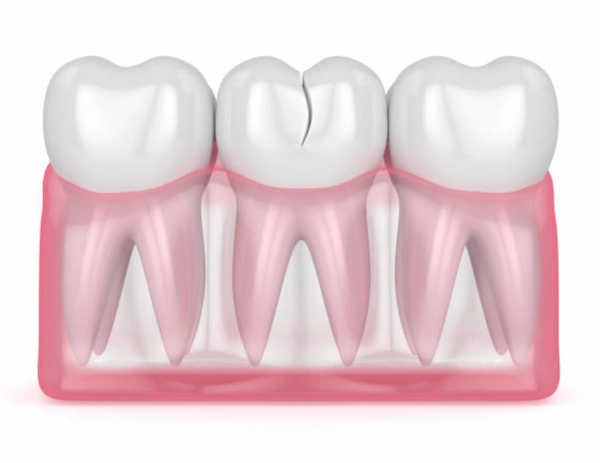 The same visit
The filling is shaped to your bite, checked with you and polished for a natural contour and shine.
 Afterwards
Fillings typically last for years depending on bite forces and habits. We’ll guide you on care, sensitivity expectations, and when to review.
Afterwards
Wait until the numbness wears off before eating, so you do not bite your cheek or tongue.
Mild sensitivity to cold or biting is common and usually settles within a few days to 2 weeks.
Brushing, cleaning between the teeth and check-ups keep the filling and its edges healthy.
Fillings in Qatar
Everyday habits that affect fillings.
Suitability
Usually suitable for
Another option may suit better
For subtle edge refinement, explore composite bonding. For deeper pain or lingering sensitivity, see root canal treatment.
Safety
Sensitivity after a filling is common and usually short-lived. Less often, a filling that sits slightly high makes the tooth sore when biting and needs a quick adjustment, and a deep filling close to the nerve can lead to ongoing pain that needs further treatment.
Careful assessment, a dry working field, layering and a bite check before you leave keep these risks low. Call if biting feels uneven or sensitivity lasts more than 2 weeks.
Your plan
The fee depends on the size and position of the filling.
You receive a personalised plan, including fees, after your assessment. Fillings may be covered by dental insurance, so check your policy.
Your consultation
Ask what the examination and any X-ray show.
Ask whether a filling or a crown suits the tooth better.
Ask how the shade is chosen.
Ask how your bite and habits affect its lifespan.
Your specialist

Cosmetic & Restorative Specialist
Dr. Ahmed assesses each tooth and places composite fillings at Platinum, matching the shade and shaping each filling to your bite, and advises when a stronger restoration is needed.
Questions
A tooth-coloured filling made of composite resin, bonded to the tooth and matched to its shade.
A local anaesthetic is used when needed, so you should feel pressure rather than pain.
Usually 20 to 60 minutes per tooth, depending on its size.
Yes. The filling is set when you leave; wait until the numbness wears off so you do not bite your cheek.
Often 5 to 10 years or more, depending on the size of the filling, your bite and your habits.
Mild sensitivity to cold or biting is common and usually settles within a few days to 2 weeks.
Old fillings that are worn, cracked or leaking can be replaced after the tooth has been assessed.
Yes. Composite is a widely used tooth-coloured material that is bonded to the tooth.
Composite can pick up stains from coffee, tea and smoking over time; polishing at check-ups helps.
A filling suits small to medium damage. A badly weakened or heavily filled tooth may need a crown for strength.
Yes. Composite is shade-matched and shaped for a natural look.
Yes. Children are seen with a parent or guardian.
Yes. Treating decay during pregnancy is generally considered safe; tell your dentist that you are pregnant.
The fee depends on the size and position of the filling and any treatment needed. You receive a personalised plan, including fees, after your assessment.
Further reading
Private consultation
Prefer guidance? Book a consultation and we’ll recommend the right approach — a composite filling, a stronger restoration, or a structured plan to stabilise your tooth.

Doctor-led dentistry, dermatology & aesthetics — crafted in Lusail with calm precision.


