


Tooth wear
Flattened, chipped or shortened teeth, or worn edges on fillings and crowns.
UsuallySeen at check-ups
Grinding, clenching and tooth wear
Platinum provides custom night guards and dental splints following dental assessment. If you notice tooth wear, sensitivity, morning jaw discomfort or signs of grinding, the first step is to understand the cause and whether an appliance is appropriate.
A night guard may help protect teeth from the effects of grinding. It does not necessarily stop the underlying grinding or explain every cause of jaw pain.
The essentials
A night guard is a custom-made appliance worn over the teeth during sleep to help protect them from grinding and clenching. At Platinum Medical Center in Lusail, a dentist first assesses tooth wear, sensitivity, jaw discomfort and your bite to understand the cause and whether an appliance is appropriate, then uses records of your teeth to make a guard or splint that fits your mouth. The fit and your bite are checked when it is fitted, with reviews to adjust it. A guard may help protect the teeth from the effects of grinding, but it does not necessarily stop the grinding or explain every cause of jaw pain, so other causes are assessed separately.
Our approach
An appliance is chosen once the cause of the symptoms is understood.
Tell your dentist what you have noticed, when it occurs and whether a partner has heard grinding during sleep. The examination considers your teeth, existing dental work, bite and symptoms before a plan is discussed.
Signs
Grinding often happens during sleep, so these signs are usually the first clue.
Flattened, chipped or shortened teeth, or worn edges on fillings and crowns.
UsuallySeen at check-ups
Teeth that become sensitive to cold as the enamel wears.
UsuallyOften gradual
Tight or tired jaw muscles, or discomfort near the ears, on waking.
UsuallyAssessed with the bite
Dull headaches at the temples in the morning can go with clenching; other causes are considered too.
UsuallyOther causes considered
A partner may hear grinding during sleep before you notice any symptoms.
UsuallyTell your dentist
Repeated chips or fractures of dental work can be a sign of heavy biting forces.
UsuallyProtect dental work
Appliances
Different appliances do different jobs.
Your dentist explains which appliance suits your needs, and why.
Compare
Three appliances that look alike but serve different purposes.
A guard can protect teeth; finding the cause still matters.
The visit
From the first assessment to long-term care, here is what to expect.
 First visit
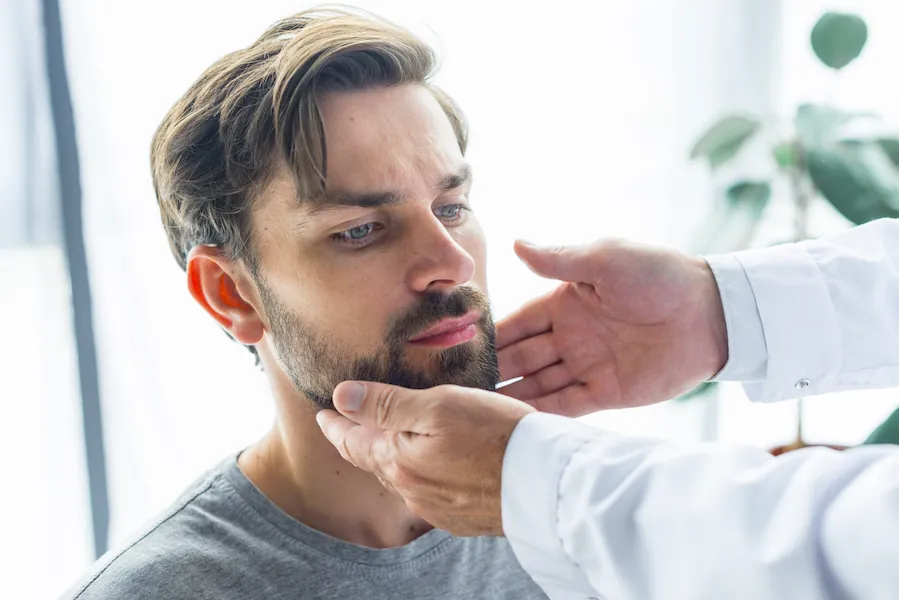
Your dentist examines tooth wear, existing dental work, your bite and jaw muscles, and asks about your symptoms and health before discussing whether an appliance is appropriate.
Records of your teeth are taken so the appliance can be made to fit your mouth.
 Fitting
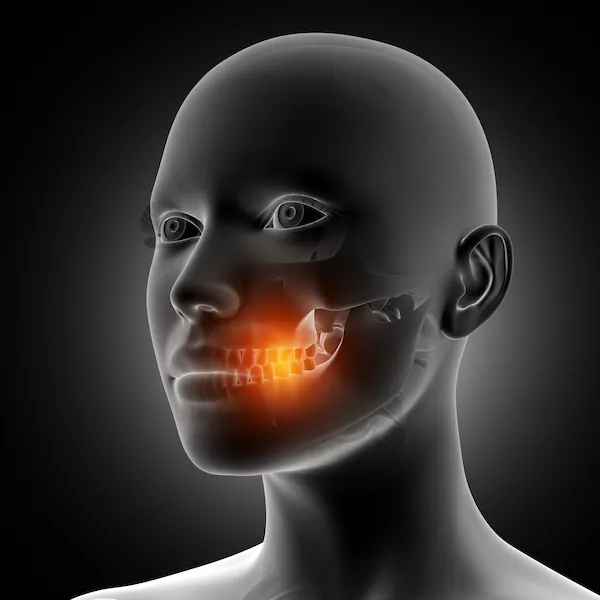
The type and design of the appliance are chosen for your clinical needs. Dental records are used to make a custom fit, followed by checks of how the appliance sits against your teeth and bite.
An uncomfortable, damaged or poorly fitting appliance should be checked. Tell the clinic if discomfort increases or your bite feels different. Your review plan may include adjustment or reconsideration of the approach.
 Every day
Clean and store the appliance as instructed, protect it from heat and check for wear. A guard can be one part of care; other symptoms or contributing factors may need separate assessment.
Expectations
A guard may help protect teeth and dental work from the effects of grinding.
It does not necessarily stop the grinding or explain every cause of jaw pain.
Other symptoms or contributing factors, such as stress, sleep or jaw problems, may need separate assessment.
Grinding in Qatar
Everyday points that can help.
Suitability
May be suitable for
Assessed first, or another option
Sports mouthguards and retainers serve different purposes; do not substitute one for another without advice.
Safety
A new guard can feel tight or cause extra saliva at first. A guard that fits poorly can put pressure on the teeth or change how the bite feels, which is why the fit and bite are checked.
Report pressure or worsening symptoms, bring your guard to relevant appointments, and do not trim or reshape it yourself.
Your plan
The fee depends on the assessment and the appliance chosen.
You receive a personalised plan, including fees, after your assessment. Check your dental insurance policy for cover.
Your consultation
Ask what the examination shows and whether grinding is the likely cause.
Ask why a night guard or splint is recommended for you.
Ask what is normal at first, and when to call.
Ask whether other symptoms need separate assessment.
Your specialist

Cosmetic & Restorative Specialist
Dr. Ahmed assesses tooth wear and grinding at Platinum, plans custom night guards and splints, and checks their fit and your bite at review visits.
Questions
No. A retainer maintains tooth position after orthodontics. A night guard or splint is selected for a different clinical purpose. Do not substitute one for the other without advice.
Not necessarily. It may protect teeth, but the cause of symptoms and the need for other care still require assessment.
Sports guards are designed for impact protection. Ask your dentist which appliance is appropriate rather than treating the two as interchangeable.
Signs include worn or chipped teeth, sensitivity, morning jaw tightness, headaches on waking, or a partner hearing grinding at night.
A guard made from records of your teeth fits your mouth and bite, and your dentist can check and adjust its fit.
Usually two: records of your teeth are taken at one visit, and the guard is fitted at the next.
It depends on the material and how hard you grind. Check it for wear, bring it to your appointments, and replace it when your dentist advises.
Clean it as instructed for its material, let it dry and store it in its case, away from heat.
A well-fitted guard should not. Tell the clinic if your bite feels different, so it can be checked.
Yes. A guard can help protect dental work from grinding; tell your dentist about your restorations.
Grinding is common in children and often settles. Children are assessed with a parent or guardian before any appliance is considered.
Bring it to the clinic for a check, and do not trim or reshape it yourself.
Stress can contribute to clenching and grinding, along with sleep and other factors that may need separate assessment.
The fee depends on the assessment and the appliance chosen. You receive a personalised plan, including fees, after your assessment.
Further reading
Private consultation
Discuss your needs with Platinum’s dental team.

Doctor-led dentistry, dermatology & aesthetics — crafted in Lusail with calm precision.


