


Eczema & Dermatitis
Eczema and dermatitis can cause dryness, itching, redness and irritation. We prioritise calming inflammation and protecting the skin barrier — with clear guidance for flares and maintenance.
UsuallyBarrier-focused care
Diagnosis first. Then a plan you can follow.
Skin disease can present as redness, itching, dryness, scaling, swelling, bumps, or recurrent rashes. We focus on clear diagnosis, trigger awareness, and structured treatment — aiming for calm, stable control.
The essentials
Platinum Medical Center in Lusail diagnoses and treats common and stubborn skin diseases, including eczema and dermatitis, hives (urticaria), psoriasis, rosacea, seborrhoeic dermatitis, and fungal and other skin infections. A specialist dermatologist starts with a focused history and examination, adds tests only when the cause is unclear, and builds a plan matched to the severity, your triggers and your skin. Most eczema flares calm within 1 to 2 weeks of the right treatment, infections usually clear within 2 to 4 weeks, and long-term conditions are kept under control with a simple daily routine and regular reviews.
Our approach
Many rashes look alike, so the right diagnosis comes before any treatment.
We begin with a focused history and clinical assessment — then tailor a plan based on severity, recurrence pattern, triggers, skin sensitivity, and lifestyle factors. In selected cases, additional evaluation or testing may be recommended to confirm a diagnosis and guide treatment safely.
Related dermatology services: acne treatment, pigmentation & melasma, and hair & nail disorders.
Conditions
The common skin conditions we diagnose and treat in Lusail.
Eczema and dermatitis can cause dryness, itching, redness and irritation. We prioritise calming inflammation and protecting the skin barrier — with clear guidance for flares and maintenance.
UsuallyBarrier-focused care
Hives may appear suddenly and can be linked to allergens, stress, infections or unknown triggers. We assess patterns and advise treatment to relieve symptoms and reduce recurrence.
UsuallyPattern and trigger review
Some rashes can be infection-related, while others are inflammatory or autoimmune in nature. We differentiate likely causes clinically, then recommend the safest next steps based on presentation and history.
UsuallyInfection or inflammation
Psoriasis causes thick, red, scaly patches, often on the elbows, knees, scalp and lower back. It is not contagious, and treatment is matched to how much skin is involved, aiming for calm skin over the long term.
UsuallyLong-term control
Rosacea causes flushing, persistent redness and sometimes acne-like bumps on the cheeks, nose and chin. Heat, sun, hot drinks and spicy food often trigger it, so trigger control is part of every plan.
UsuallyTrigger control
Flaky, red and sometimes itchy skin on the scalp, eyebrows, sides of the nose and chest. It tends to flare with heat and stress, and settles with the right wash and a simple routine.
UsuallyA simple routine
Treatment
Treatment follows the diagnosis, and most plans combine several steps.
Most long-term skin conditions are controlled rather than cured. The aim is calm skin with fewer, milder flares and the simplest routine that works.
Compare
Three of the most common itchy rashes, and how they differ.
Diagnosis first. Then a plan you can follow.
The visit
From the first consultation to long-term control, here is what to expect.
 First visit
Your dermatologist asks when the problem started, what makes it better or worse, what you have tried, and about your health, family history and work. Photos of past flares and a list of the products and medicines you use help.
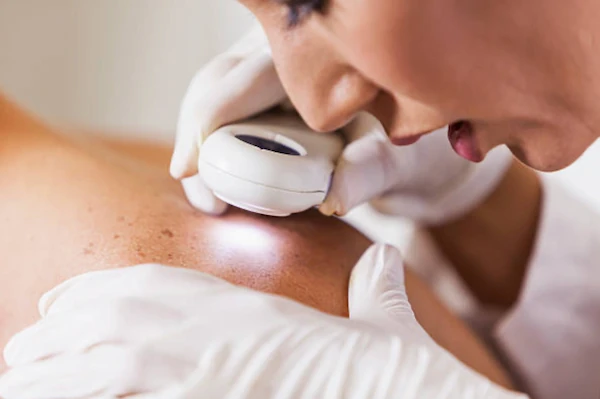 The same visit
When a condition is recurrent or unclear, diagnosis matters. We explain findings simply, then tailor treatment that fits your skin type, comfort, and goals — with review and adjustment as needed.
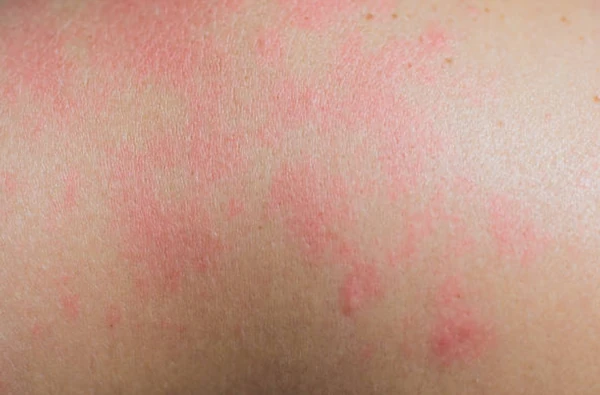 In selected cases
If the cause is unclear, a skin scraping or swab, blood tests or a small skin biopsy can confirm the diagnosis. Results usually take a few days, or 1 to 2 weeks for a biopsy.
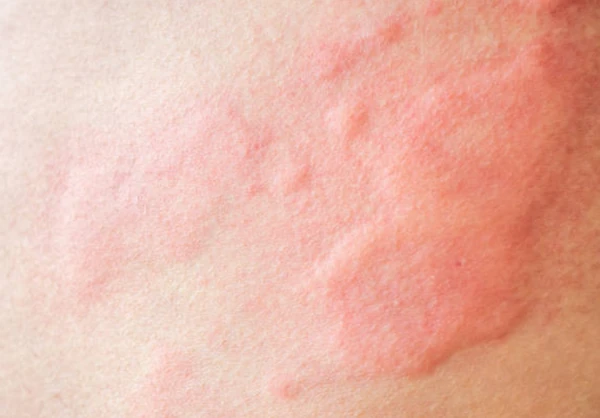 From the first visit
You leave with a clear plan: daily skin care, what to apply during a flare and for how long, the triggers to reduce, and when to come back.
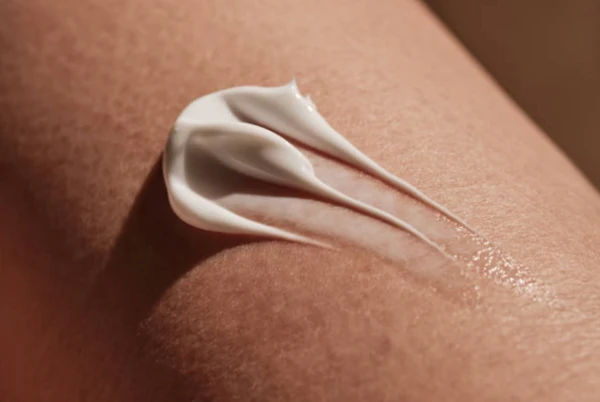 Ongoing
Many skin conditions are chronic or trigger-driven. We’ll guide you on practical aftercare, trigger minimisation, and a minimal routine designed to keep symptoms controlled over time.
Results
Flares usually calm within 1 to 2 weeks of treatment, and a daily routine keeps them fewer and milder.
Itch and welts usually settle within days of starting treatment; hives that keep returning for more than 6 weeks need a longer plan.
Patches thin and fade over weeks to months, and the plan is adjusted to keep them under control.
Skin conditions in Qatar
Life in Qatar brings its own triggers for sensitive skin.
When to book
Book a consultation for
Seek urgent care for
Children and adults are seen; under-18s attend with a parent or guardian.
Safety
Anti-inflammatory creams are safe when used as directed, but overuse on thin skin, such as the face or skin folds, can thin the skin. Some treatments sting or irritate at first, and tablets for extensive conditions can need blood tests to monitor them.
Clear instructions on what to apply, where and for how long, the lowest strength that works, regular reviews and tests when needed keep these risks low. Tell your doctor if a treatment irritates your skin or stops working.
Your plan
The fee depends on the consultation, any tests and the treatment plan.
You receive a personalised plan, including fees, after your assessment. Treatment of skin conditions may be covered by insurance, so check your policy.
Your consultation
Ask what the condition is called, what causes it and whether a test would confirm it.
Agree what to use every day, what to use during a flare and when to stop.
Ask which habits, products, foods or conditions may be setting off your flares.
Agree when to review progress and which signs mean you should return sooner.
Your specialist
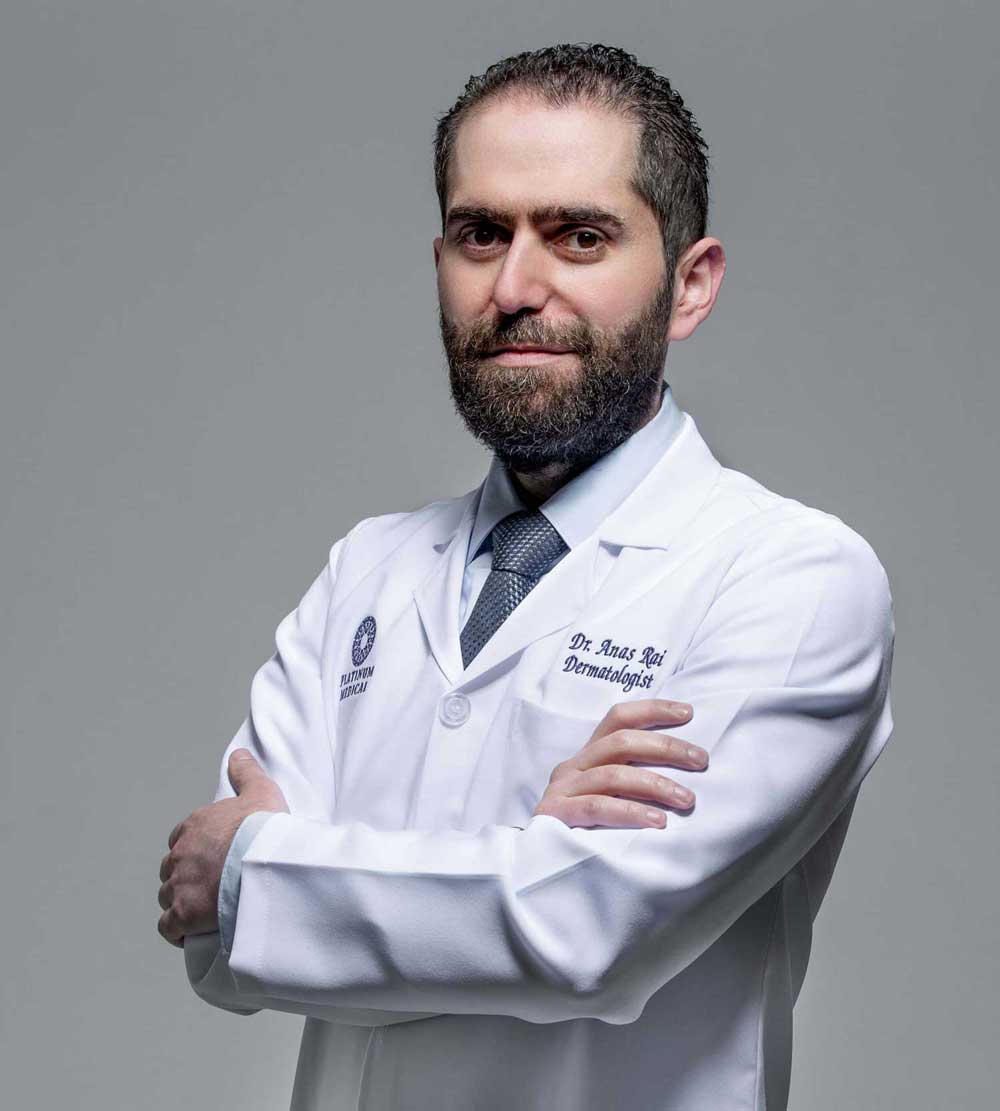
Medical Director & Specialist Dermatologist
Dr. Anas takes the history, examines the skin and arranges any tests, then builds a plan you can follow, from daily care to what to do during a flare. He has more than 15 years of experience in dermatology across Syria and Qatar, including eczema, psoriasis, hives and skin infections.
Questions
Eczema and dermatitis, hives, psoriasis, rosacea, seborrhoeic dermatitis, fungal and other skin infections, and rashes with an unclear cause. Acne, pigmentation, and hair and nail disorders have their own pages.
With daily moisturising and gentle skin care to repair the skin barrier, anti-inflammatory creams for flares, and reducing triggers such as heat, sweat and harsh soaps.
Eczema is usually controlled rather than cured. With the right routine, most people have fewer and milder flares, and many children grow out of it.
Allergies, infections, stress, heat, pressure on the skin or some medicines can trigger hives, but often no single cause is found.
When they come with swelling of the lips, tongue or throat, difficulty breathing or feeling faint. Call 999 or go to the nearest emergency department.
No. Psoriasis is an immune-driven condition and cannot be caught from someone else.
Fungal rashes are often ring-shaped or scaly at the edge and appear in warm, sweaty areas. A quick skin scraping can confirm it, because some rashes look alike.
Not always. Most skin conditions are diagnosed by examination; a scraping, swab, blood test or small biopsy is used when the cause is unclear or treatment is not working.
Yes. Stress can trigger flares of eczema, psoriasis, hives and seborrhoeic dermatitis.
Yes, when used as directed. Your dermatologist explains the strength, where to apply it and for how long, to avoid thinning the skin.
Heat and sweat often worsen eczema, heat rash and fungal infections, and air conditioning dries the skin. Loose cotton clothing and regular moisturising help.
Yes. Children are examined with a parent or guardian present, and treatments are chosen to suit young skin.
Infections usually clear within 2 to 4 weeks. Long-term conditions such as eczema and psoriasis need an ongoing routine, with reviews to adjust it.
The fee depends on the consultation, any tests and your treatment plan. You receive a personalised plan, including fees, after your assessment.
Further reading
Private consultation
Prefer guidance? Book a consultation and we’ll recommend the right plan based on your symptoms.

Doctor-led dentistry, dermatology & aesthetics — crafted in Lusail with calm precision.


