Hair & Nail Disorders in Lusail, Qatar

Doctor-led dermatology — clear diagnosis, structured treatment, long-term control.

Diagnosis first. Then a plan you can follow.

Hair & Nail Disorders

Hair and nail concerns can be cosmetic, inflammatory, infectious, hormonal, or stress-related. We focus on identifying the cause, then tailoring care around your symptoms, lifestyle, and long-term control.

Book a Consultation

The essentials

Hair and nail disorders, in brief

Hair and nail disorders are treated at Platinum Medical Center in Lusail by a specialist dermatologist, the doctor trained to diagnose conditions of the scalp, hair and nails. Common concerns include patchy hair loss (alopecia areata), sudden shedding, an itchy or flaky scalp, nail fungus, thick, discoloured or splitting nails, and ingrown toenails. The first visit focuses on finding the cause, with an examination under magnification and, when needed, blood tests or a nail sample. Treatment then targets that cause: medicated shampoos and lotions, prescription treatments, injections into patches of hair loss, or a minor procedure for an ingrown nail. Nails grow slowly, so a nail plan is judged over months rather than weeks.

Treats
Patchy hair loss, shedding, scalp inflammation and dandruff, nail fungus, nail changes and ingrown nails
Diagnosis
Examination under magnification, with blood tests or a nail sample when needed
Treatments
Scalp and nail treatments, prescription medicines, injections into patches, minor procedures
Hair results
Usually seen after 2 to 4 months
Nail results
Fingernails 4 to 6 months; toenails 12 months or more, as the nail grows out
Your doctor
Dr. Anas Rai, Medical Director & Specialist Dermatologist

Medically reviewed by Dr. Anas Rai, Medical Director & Specialist Dermatologist ·

Our approach

A Structured Assessment

Many hair and nail problems look alike but have different causes, so the diagnosis comes before the treatment.

We assess pattern, onset, scalp and nail findings, and contributing factors. In selected cases, testing may be recommended to confirm diagnosis. If hair loss is your main concern, you can also explore hair loss management.

Conditions treated

Which hair and nail problems do we treat?

A dermatologist treats the scalp, the hair and the nails as part of the skin.

I

Hair Disorders (Including Alopecia)

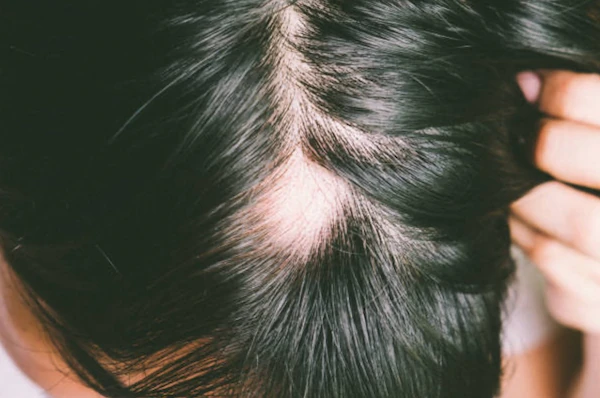
Hair disorders can present as shedding, thinning, patchy loss, scalp inflammation, or changes in hair texture. We assess the likely cause, then recommend the safest next steps and a realistic timeline.

UsuallyAn assessment first

II

Itchy, flaky or inflamed scalp

Dandruff, seborrhoeic dermatitis, scalp psoriasis and inflammation around the hair follicles cause itching, flaking and redness, and can make hair shed.

UsuallyMedicated shampoos and lotions

III

Nail Disorders

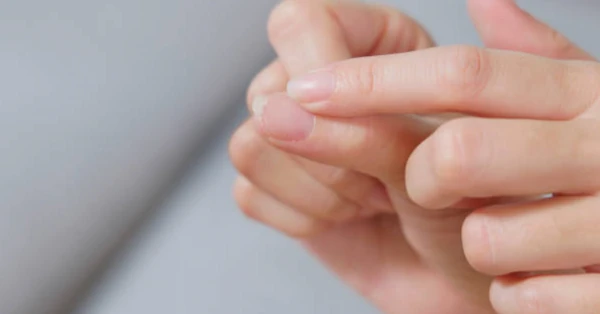
Nail changes can be due to infection, inflammation, trauma, systemic factors, or skin conditions. We assess whether a nail concern is fungal vs inflammatory, then guide treatment and practical home-care.

UsuallyInfection or inflammation first

IV

Nail fungus

Thick, yellow or crumbling nails, most often on the toes, are confirmed with a nail sample before treatment, because other conditions look the same.

UsuallyConfirmed before treatment

V

Ingrown nails

A painful, red ingrown toenail can be treated in the clinic with a minor procedure under local anaesthetic; see minor surgery.

UsuallyA short procedure

VI

Nail changes with skin conditions

Pitting, ridges, lifting or discolouration can be a sign of psoriasis, eczema or another condition, and settle when that condition is treated.

UsuallyTreating the underlying condition

Treatments

How are hair and nail disorders treated?

Treatment targets the cause found at your assessment.

I

Diagnosis & Targeted Treatment

Some hair and nail conditions require closer evaluation and, where appropriate, tests to confirm diagnosis. We explain findings clearly, then tailor a plan to match your symptoms and comfort.

UsuallyTests when needed

II

Scalp and nail treatments

Medicated shampoos, lotions and nail solutions treat inflammation, flaking and mild nail infection, and are often the first step.

UsuallyDaily use at home

III

Injections for patchy hair loss

Small injections into patches of alopecia areata calm the inflammation that stops hair growing; see intralesional injections.

UsuallyEvery 4 to 6 weeks

IV

Aftercare & Long-Term Control

Long-term control is often about consistency — scalp routines, irritation control, and practical steps that protect results. We’ll guide you on the simplest routine that fits your lifestyle.

UsuallyA simple routine

Tablets are used for some nail infections and scalp conditions after your doctor has checked your health, and some need blood tests during treatment. For thinning hair, PRP and other treatments are covered on our hair loss management page.

Compare

Nail fungus, psoriasis or injury?

These look similar but need different treatment, which is why the diagnosis comes first.

Infection

Nail fungus

Looks like
Thick, yellow, crumbling nails, often toenails
Confirmed by
A nail sample
Treated with
Nail solutions or tablets, over months
Skin condition

Nail psoriasis

Looks like
Pits, oil-drop spots and lifting of the nail
Confirmed by
Examination, often with skin or joint signs
Treated with
Treatment of the psoriasis
Injury

Damaged nails

Looks like
One nail, after a knock or tight shoes
Confirmed by
Examination and history
Treated with
Protection while the nail grows out

With hair and nails, the right diagnosis is half the treatment.

The visit

What happens at each step?

From the first consultation to your reviews, here is what to expect.

  1. A hair and nail examination with the dermatologist First visit

    Consultation and examination

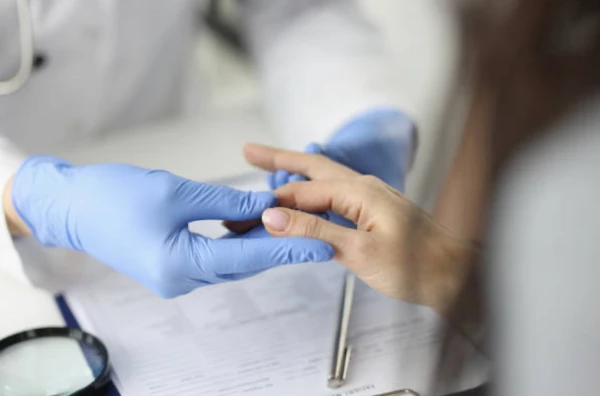
    Your dermatologist asks when the problem started, how it has changed, and about your health, medicines and family history, examines the scalp, hair and nails, often under magnification, and explains the likely cause and the options.

  2. When needed

    Tests

    Blood tests for iron, thyroid and vitamin levels, a nail sample for fungus or a small skin sample confirm the diagnosis when the cause is not clear.

  3. Treatment for a hair disorder Treatment

    Your treatment plan

    You leave with a clear plan: what to use at home, any prescription, and any in-clinic treatment such as injections into patches of hair loss.

  4. Treatment for a nail disorder For nails

    Nail care

    Nail treatment continues for months while a healthy nail grows out, with advice on footwear, trimming and keeping the feet dry.

  5. Every 6 to 12 weeks

    Reviews

    Your doctor checks progress and adjusts the plan. Hair changes show after 2 to 4 months; nails take longer.

Results

How long until I see a change?

I

Scalp conditions

Itching and flaking usually settle within 2 to 4 weeks of treatment.

II

Hair

New growth in patches, or less shedding, usually shows after 2 to 4 months.

III

Nails

A healthy nail grows out over 4 to 6 months for fingernails and 12 months or more for toenails.

Hair and nails in Qatar

Heat, water and your hair and nails

Daily life in Qatar affects the scalp, hair and nails in a few predictable ways.

  • Heat and sweat under head coverings, helmets and caps can worsen scalp flaking and inflammation; wash the scalp regularly and let it dry.
  • Closed shoes, sweat and shared pools and gym showers make foot and nail fungus more common; dry between the toes and wear sandals in shared showers.
  • Frequent hand washing, cleaning products and gel nails can damage the nails; gloves and breaks from gel polish help.
  • Low iron and low vitamin D are common and can contribute to shedding, which is why blood tests are often checked.

When to see us

When should I see a dermatologist?

Book a consultation for

  • Patches of hair loss or sudden heavy shedding
  • An itchy, flaky or painful scalp that does not settle
  • Thick, discoloured, crumbling or lifting nails
  • A painful, red or swollen ingrown nail

See a doctor promptly for

  • A dark streak in a nail, or a nail change that keeps growing
  • Hair loss with scarring, pain or burning on the scalp
  • A swollen, hot or pus-filled nail fold
  • Nail or scalp changes with joint pain or a rash elsewhere

Children and young people under 18 are seen with a parent or guardian.

Safety

Side effects and how we manage them

Shampoos and lotions can irritate the scalp. Injections into patches can cause brief soreness and, rarely, a small dip in the skin that usually recovers. Tablets for nail infections or scalp conditions have side effects, which your doctor explains first, with blood tests where needed.

Confirming the diagnosis before treatment, choosing the gentlest option that works, monitoring during longer treatments and regular reviews keep these risks low.

Your plan

What affects the cost of hair and nail treatment in Qatar?

The fee depends on the tests and the treatment your condition needs.

  • The consultation and follow-up reviews
  • Any blood tests, nail samples or skin samples
  • Prescription treatments
  • In-clinic treatments such as injections or a minor nail procedure

You receive a personalised plan, including fees, after your assessment. Many insurance policies cover the diagnosis and treatment of medical hair and nail conditions, so check your policy.

Your consultation

Questions for your consultation

I

What is causing the problem?

Ask what the likely cause is and whether tests are needed to confirm it.

II

How long will treatment take?

Hair responds over months and nails over many months; agree when progress will be reviewed.

III

What can I do at home?

Ask about shampoos, nail care, footwear and what to avoid.

IV

Could it come back?

Some conditions return; ask how to recognise the early signs and what to do.

Your specialist

Your doctor

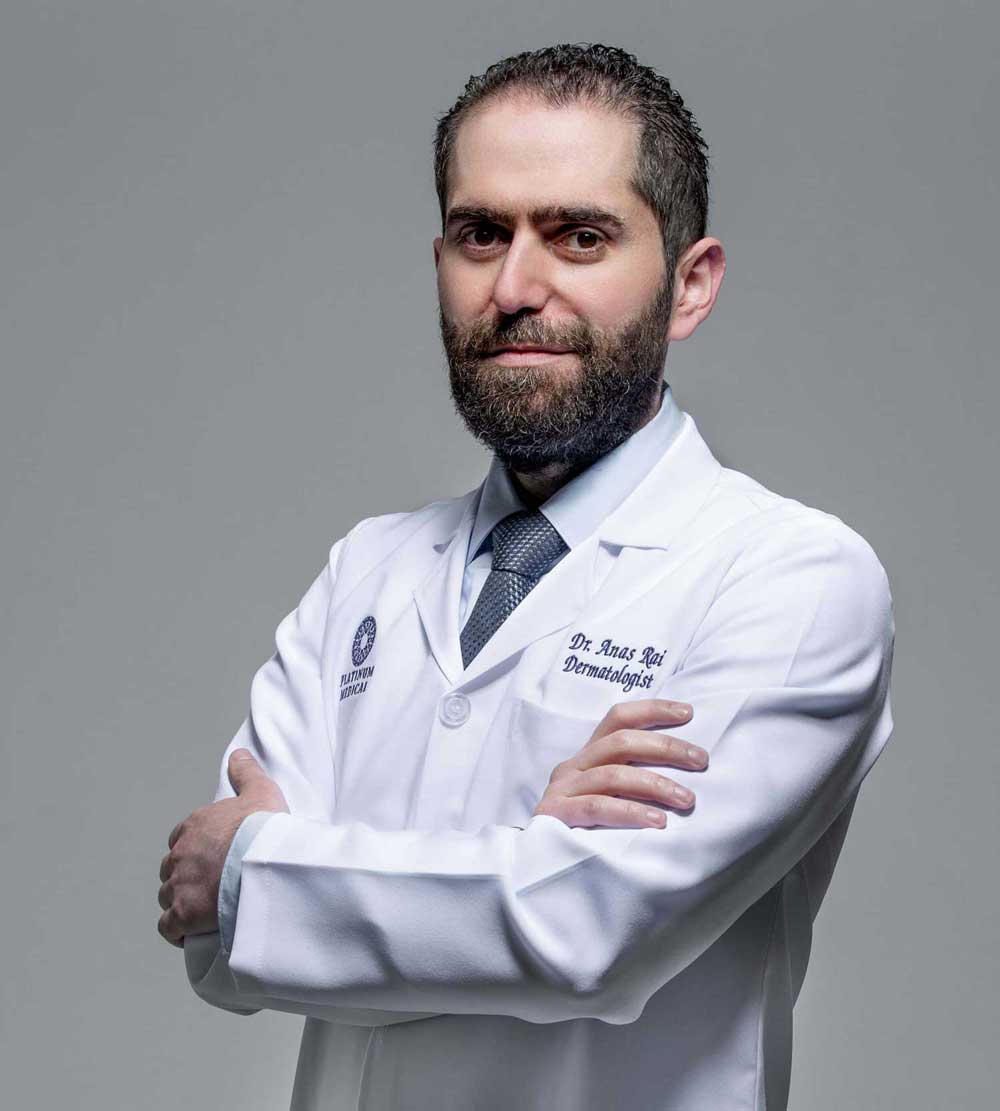
Dr. Anas Rai, Medical Director and Specialist Dermatologist at Platinum Medical Center

Medical Director & Specialist Dermatologist

Dr. Anas Rai

Dr. Anas examines the scalp, hair and nails, arranges any tests and plans the treatment, from home care to prescriptions, injections or a minor nail procedure. He has more than 15 years of experience in dermatology across Syria and Qatar, including hair, scalp and nail conditions.

  • Syrian Board of Dermatology & Venereology, 2015
  • Doctor of Medicine, Damascus University, 2010
  • Aesthetic medicine: injectables, laser and PRP
  • Medical Director of Platinum Medical Center in Lusail since 2018

View Dr. Anas’s profile

Questions

Hair and nail disorders FAQ

Which doctor treats hair and nail problems?

A dermatologist. The hair, scalp and nails are part of the skin, and dermatologists are trained to diagnose and treat their conditions.

What causes patchy hair loss?

Patchy hair loss is most often alopecia areata, where the immune system stops hair growing in patches. Scalp infections and other conditions can look similar, so an examination comes first.

Can alopecia areata be treated?

Yes. Injections into the patches, lotions and other treatments often help hair regrow, and many patches regrow within months.

Why is my hair suddenly shedding?

Sudden shedding often follows illness, stress, childbirth, rapid weight loss or low iron, and usually settles once the cause is treated.

How do I know if I have nail fungus?

Thick, yellow or crumbling nails can be fungus, but psoriasis and injury look similar. A nail sample confirms it before treatment.

How long does nail fungus treatment take?

Months, because a healthy nail has to grow out: about 4 to 6 months for fingernails and 12 months or more for toenails.

Do you treat ingrown toenails?

Yes. Mild cases are managed with nail care, and painful or recurring ones with a short minor procedure under local anaesthetic.

What causes an itchy, flaky scalp?

Usually dandruff or seborrhoeic dermatitis, and sometimes psoriasis or an allergy to hair products. Medicated shampoos and lotions usually help.

Can nail changes be a sign of illness?

Sometimes. Some nail changes are linked to skin conditions, low iron or other health problems, which your doctor checks.

Is a dark line in my nail serious?

Most dark lines are harmless, but a new or widening dark streak should be checked by a dermatologist promptly.

Do gel nails damage the nails?

Frequent gel polish and its removal can thin and weaken the nails. Breaks between sets help them recover.

Will I need blood tests?

Often for hair shedding, to check iron, thyroid and vitamin levels, and sometimes before tablets.

Do you treat children?

Yes. Children and young people under 18 are seen with a parent or guardian.

How much does hair and nail treatment cost in Qatar?

The fee depends on the consultation, any tests and the treatment you need. You receive a personalised plan, including fees, after your assessment.

Further reading

Read more before your consultation

Private consultation

Begin with a consultation in Lusail

Prefer guidance? Book a consultation and we’ll recommend the right plan based on your symptoms and goals.

Platinum Concierge — seamless booking, discreet care, refined outcomes.

Doctor-led dentistry, dermatology & aesthetics — crafted in Lusail with calm precision.

© 2026 Platinum Medical Center.