Hair Loss Assessment & Treatment in Lusail, Qatar

Understand the cause before choosing a treatment.

Pattern, cause, and timeline — mapped first.

Hair Loss Management

If you are noticing increased shedding, gradual thinning or patchy loss, start with a scalp and medical-history assessment. The appropriate next step depends on the cause; injections are not the starting point for every case. Discuss suitable options, their limitations and when to review progress at your consultation in Lusail.

Book a Hair Loss Assessment

The essentials

Hair loss treatment, in brief

Hair loss is treated by finding its cause first. Pattern thinning, shedding after an illness or stress, patchy hair loss and scalp inflammation can look alike at first but need different treatment. A dermatologist examines your scalp and hair, reviews your history and checks blood tests when they are needed, then plans treatment: medical treatment applied to the scalp or taken as tablets, PRP from your own blood, injections for patchy loss, and scalp care. At Platinum Medical Center in Lusail, progress is reviewed with photographs, because hair grows slowly: change is judged over months, not weeks.

Treats
Thinning, shedding, patchy hair loss and scalp conditions, in women and men
First step
A scalp and history assessment, with a magnified look at the scalp and blood tests when needed
Options
Medical treatment, PRP, injections for patchy loss, mesotherapy in selected cases, and scalp care
PRP course
Usually 3 to 4 sessions about a month apart, then maintenance if it helps
Results
Shedding usually slows within about 3 months; new growth is judged at 6 to 12 months
Your doctor
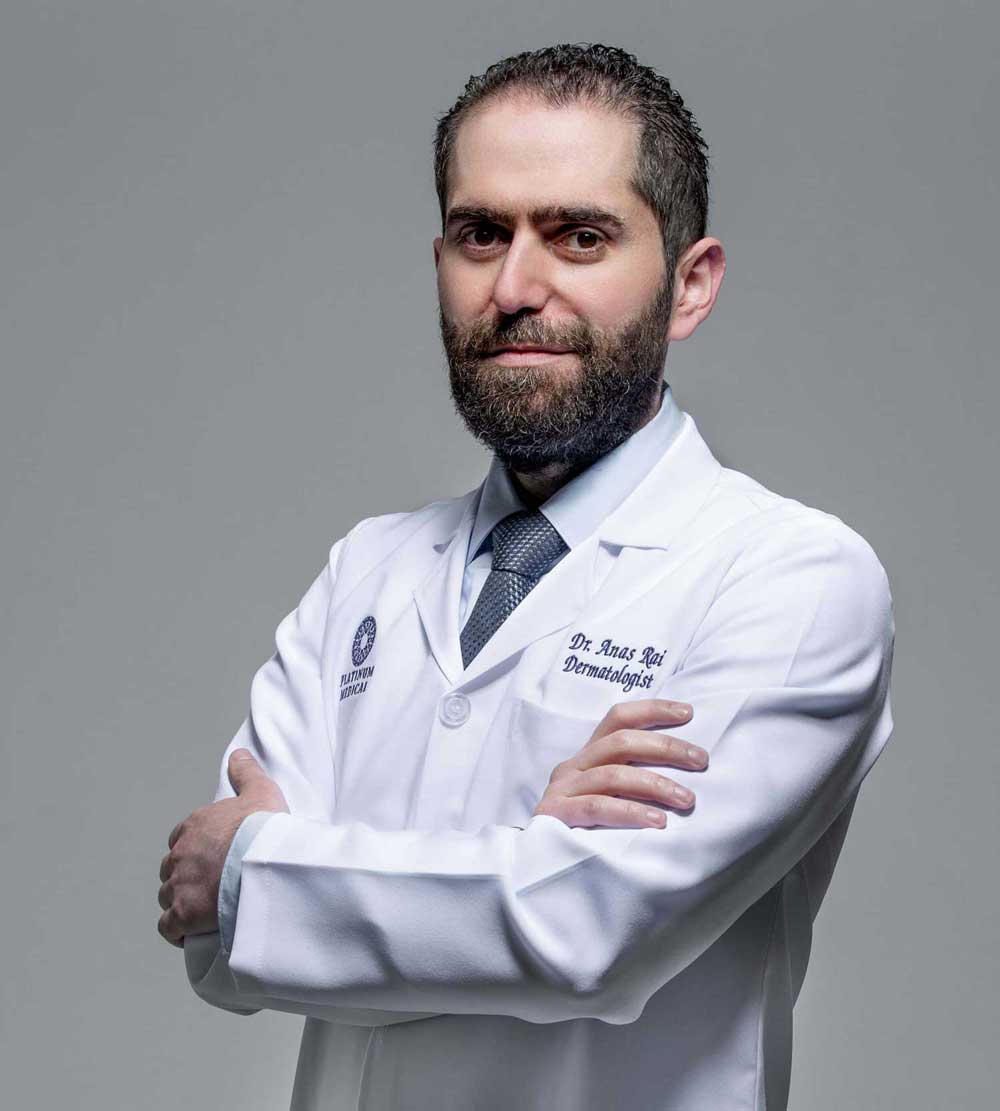
Dr. Anas Rai, Medical Director & Specialist Dermatologist
Where
17th Floor, QIG Tower, Lusail, for patients across Lusail, Doha and Qatar

Medically reviewed by Dr. Anas Rai, Medical Director & Specialist Dermatologist ·

Our approach

A Tailored Approach

Plans are built around what’s driving the loss — shedding vs thinning, diffuse loss vs patterned loss, or patchy alopecia. Your clinician will review history, scalp condition, and contributing factors — then discuss an appropriate course, including its benefits and risks.

For broader assessment of scalp and nails, see hair & nail disorders.

Causes

What type of hair loss is it?

Shedding, gradual thinning and scalp inflammation are not interchangeable diagnoses. The type of hair loss decides the treatment, and more than one cause can occur together.

I

Pattern hair loss

Gradual thinning at the crown, temples or parting, as hair follicles shrink over the years. It runs in families and is the most common cause in both women and men. Treatment slows it and can restore some density, and works best when started early.

UsuallyLong-term medical treatment, often with PRP

II

Shedding after a trigger

Telogen effluvium causes increased shedding after physiological or psychological triggers: an illness or high fever, childbirth, surgery, crash dieting or major stress, usually two to three months earlier. It often recovers when the trigger resolves.

UsuallyFinding and correcting the cause, then review

III

Patchy hair loss

Round, smooth patches that appear suddenly on the scalp, beard or eyebrows, from an immune condition called alopecia areata. Many patches regrow, and treatment can speed this up. See intralesional injections (selected cases).

UsuallyInjections into the patches, or treatment applied to them

IV

Scalp inflammation

Scalp inflammation and barrier disruption can contribute to shedding and reduced growth quality. Flaking, itching and redness from dandruff, seborrhoeic dermatitis or psoriasis are treated alongside the hair loss.

UsuallyMedicated scalp care

V

Scarring hair loss

When inflammation destroys the follicle and replaces it with scar tissue, hair loss can become permanent. Pain, pustules, marked scale, smooth scarred patches or eyebrow involvement deserve prompt dermatologist assessment.

UsuallyPrompt assessment, sometimes a small scalp biopsy

VI

Breakage and traction

Hair tied tightly, extensions and headwear fixed in the same place every day can pull hair out along the hairline, and heat or chemical styling can break it. Early traction loss recovers once the pulling stops; long-standing loss may not.

UsuallyGentler styling and scalp care

Assessment

How is hair loss assessed?

We assess the pattern, onset, shedding rate, scalp inflammation and contributing factors — then outline a plan you can follow with clear timeline expectations.

I

Your history

When the change began, whether it was gradual or sudden, illnesses, medicines, diet, periods and hormones, hair care and family history.

II

Examination

A look at the pattern of hair loss and the scalp, a magnified view of the hair and scalp with a dermatoscope, a gentle pull test and photographs for your records.

III

Tests, when needed

Iron status, thyroid function and selected nutritional or hormonal tests may be relevant depending on history. Rarely, a small scalp biopsy confirms the diagnosis.

Before your hair-loss assessment, note when the change began, whether it is gradual or sudden, and whether it affects the whole scalp or particular areas. Bring a list of medicines and previous treatments, plus any existing test results. Your clinician can explain whether further investigations are needed.

Meet Dr. Anas Rai, Specialist Dermatologist. Read our hair-loss assessment guide to prepare questions for your visit.

Treatments

Which hair loss treatments are there?

The appropriate next step depends on the cause; injections are not the starting point for every case. These are the options your dermatologist may discuss, often in combination.

Medical

Medical treatment

How it works
Lotions, foams or tablets, prescribed for your cause, slow the loss and support regrowth
Course
Daily and long term; shedding often slows within about 3 months
Best for
Pattern hair loss, and shedding with a medical cause
From your own blood

PRP for hair

How it works
Platelets from a small blood sample are injected into thinning areas of the scalp
Course
Usually 3 to 4 sessions about a month apart, then maintenance
Best for
Early to moderate pattern thinning, alongside medical treatment
Patchy loss

Injections into the patches

How it works
Anti-inflammatory injections into the patches calm the immune reaction
Course
Repeated every 4 to 6 weeks while needed
Best for
Patches of alopecia areata
Selected cases

Mesotherapy

How it works
A tailored blend of vitamins, minerals, amino acids and co-enzymes delivered via micro-injections
Course
Often used as a course
Best for
Supporting scalp nourishment alongside the main treatment
Scalp health

Scalp care

How it works
Medicated shampoos and routines that calm flaking, itching and inflammation
Course
Daily to weekly, as maintenance
Best for
Dandruff, seborrhoeic dermatitis and an irritated scalp
Surgery

Hair transplant

How it works
A hair-transplant surgeon moves follicles from the back of the scalp to thinning areas
Course
One procedure, with new growth over about a year
Best for
Stable, advanced pattern loss, usually with medical treatment continued

Many plans combine two treatments, for example medical treatment with PRP for pattern thinning. Treatments for pattern hair loss work while they are used, so plans are built for the long term.

Hair grows slowly. A credible plan sets expectations in months, not days.

Your plan

What happens at each step?

From the first assessment to long-term maintenance, here is what to expect.

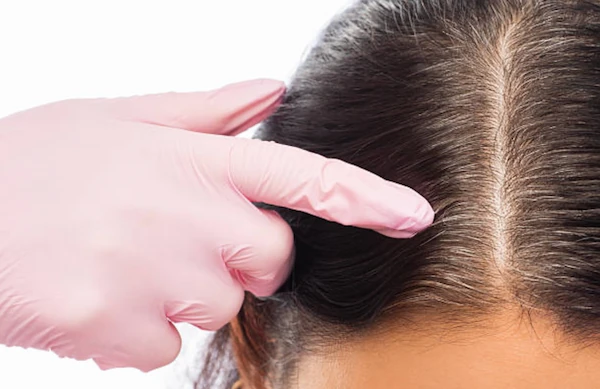
  1. A doctor parting the hair to examine the scalp First visit

    Assessment

    Your doctor takes your history, examines your scalp and hair, looks at the scalp under magnification and takes photographs. You hear what is likely driving the hair loss, and which tests, if any, are worth doing.

  2. The same visit, or after your tests

    Diagnosis and your plan

    Your clinician will discuss the assessment findings, whether further investigations are appropriate, and options suitable for the cause of hair loss. Ask about limitations, possible side effects and follow-up before deciding on a plan.

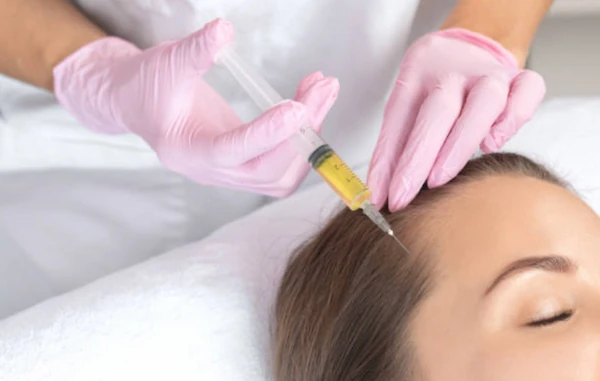
  3. Platelet-rich plasma being injected along a parting in the scalp The first weeks

    Starting treatment

    Medical treatment starts at home with clear instructions. If PRP, injections or mesotherapy are part of your plan, the first session is booked, and the course is scheduled in advance.

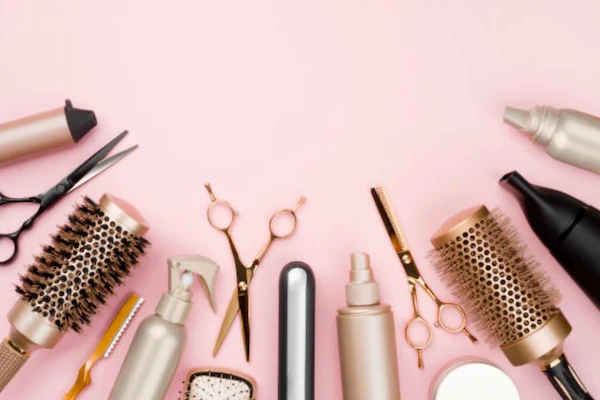
  4. Brushes, combs and hair-care products Every day

    Care at home

    Scalp inflammation and barrier disruption can contribute to shedding and reduced growth quality. We guide you on scalp routines, irritation control, and how to protect results between sessions.

  5. At about 3 months, then every few months

    Review and maintenance

    Your doctor compares photographs taken in the same light and agrees what happens next: continue, adjust or stop. Ask what change would count as a useful response, when it should be reviewed and what would prompt a different plan.

PRP for hair

PRP for hair loss: what to expect

PRP is most commonly discussed for selected non-scarring hair-loss patterns. If follicles are permanently destroyed, PRP cannot recreate them.

  • A small sample of your blood is taken and spun to concentrate the platelets.
  • The scalp is cleaned and numbed or cooled, and the PRP is injected into the thinning areas with fine needles. A session takes about 45 to 60 minutes in all.
  • The scalp can feel tender for a day, and you can usually wash your hair the next day.
  • A course is usually 3 to 4 sessions about a month apart. Progress is judged on photographs before any maintenance sessions.

If the shedding is driven by thyroid disease, iron deficiency, medication or acute telogen effluvium, correcting the cause may matter more. Read more about PRP and our PRP consultation guide.

Results

When will I see results?

Hair grows about a centimetre a month, so even successful treatment takes months to show.

I

The first 3 months

Shedding usually slows first. Some treatments cause a brief increase in shedding in the first weeks, as weak hairs make way for new growth.

II

3 to 6 months

Fine new hairs appear and the parting or crown looks less see-through. Photographs show this better than the mirror.

III

6 to 12 months and beyond

Density is judged at around a year. Pattern hair loss continues if treatment stops, so most plans include maintenance.

Standardised photographs and defined review intervals are more useful than daily mirror checking.

Living in Qatar

Hair loss and life in Qatar

A few local factors come up often at hair-loss assessments in Qatar.

  • Low vitamin D and low iron are common here, and are checked when your history suggests they matter.
  • Hair tied tightly, or held in the same position under headwear every day, can cause traction at the hairline; vary the position and loosen the tension.
  • Shedding often follows an illness, fasting with weight loss, travel or a stressful period by two to three months, so mention these at your visit.
  • Protect a thinning parting from strong sun with a hat or a scalp sunscreen.

Suitability

When should I see a dermatologist?

Book an assessment soon if

  • Pain, pustules, marked scale, smooth scarred patches or eyebrow loss
  • Sudden round patches of hair loss
  • Heavy shedding lasting more than about three months
  • Hair loss with tiredness, weight change, irregular periods or new acne
  • A parting or crown that is getting wider

Treatment may wait or change if

  • You are pregnant, breastfeeding or planning a pregnancy: some treatments are avoided
  • You have bleeding problems or take blood-thinning medicines: discuss PRP first
  • There is an infection or an open sore on the scalp
  • You have recently had an illness or childbirth: shedding may settle on its own

Concerned about patchy hair loss? See intralesional injections (selected cases) and hair & nail disorders.

Safety

Side effects and how we manage them

Treatments applied to the scalp can irritate the skin, and can cause fine unwanted hair on the face if they run onto it; a brief increase in shedding in the first weeks is common and usually means the treatment is working. Tablets have specific side effects that your doctor explains before you start, and some are not suitable in pregnancy or for anyone planning one. After PRP, expect tenderness and sometimes small bruises, mild swelling or a headache for a day or two; infection is rare. Injections into patches can leave small dents in the skin, which usually fill in over a few months.

Your doctor starts with the safest treatment likely to work for your cause, explains its benefits, limitations and side effects, and reviews you with photographs. Contact the clinic if you notice increasing pain, redness or swelling after a procedure.

Your plan

What affects the cost of hair loss treatment in Qatar?

Hair loss plans differ by cause, so the fee depends on the tests and treatments you need. You receive a personalised treatment plan, including fees, after your assessment.

  • The assessment and any blood tests
  • The treatment: medical treatment, PRP, injections or mesotherapy
  • The number of sessions in a course, and maintenance
  • Follow-up reviews

Insurers may cover the medical assessment and tests for hair loss, while PRP and mesotherapy are often treated as cosmetic, so check your policy.

Your consultation

Questions for your hair loss assessment

I

What is causing my hair loss?

Ask which pattern your clinician sees, and whether more than one contributor is likely.

II

Do I need tests?

Ask whether targeted testing is indicated rather than assuming every test is needed.

III

What would count as a good response?

Ask what change would count as a useful response, when it should be reviewed and what would prompt a different plan.

IV

What happens if I stop?

Ask how long the treatment is meant to continue, and what happens to the result if it stops.

Your specialist

Your dermatologist

Dr. Anas Rai, Medical Director and Specialist Dermatologist at Platinum Medical Center

Medical Director & Specialist Dermatologist

Dr. Anas Rai

Dr. Anas examines your scalp and hair, decides which tests are worth doing and plans your treatment and reviews. He has more than 15 years of experience in dermatology across Syria and Qatar, including hair and scalp conditions.

  • Syrian Board of Dermatology & Venereology, 2015
  • Doctor of Medicine, Damascus University, 2010
  • Aesthetic medicine: injectables, laser and PRP
  • Medical Director of Platinum Medical Center in Lusail since 2018

View Dr. Anas’s profile

Questions

Hair loss FAQ

What causes hair loss?

The most common causes are pattern hair loss, which runs in families, and shedding two to three months after an illness, childbirth, crash dieting or stress. Patchy hair loss, scalp inflammation, thyroid problems, low iron, some medicines and tight hairstyles also play a part, and more than one cause can occur together.

When should I see a dermatologist about hair loss?

If shedding is heavy or lasts more than about three months, if you notice patches, or if your parting or crown is getting wider. See a dermatologist promptly for pain, pustules, marked scaling, smooth scarred patches or eyebrow loss.

Do I need blood tests for hair loss?

Not necessarily. Examination and history guide whether targeted tests are appropriate, such as iron, thyroid function or vitamin D.

Is hair loss permanent?

Most shedding and patchy hair loss can recover, and pattern hair loss can be slowed and partly reversed with treatment. Scarring hair loss can be permanent, which is why it needs prompt assessment.

Can stress cause hair loss?

Yes. A major stress, illness or high fever can push many hairs into the shedding phase at once, and heavy shedding follows two to three months later. It usually recovers once the trigger has passed.

Does PRP work for hair loss?

PRP can help selected non-scarring hair loss, especially early pattern thinning, usually alongside medical treatment. It cannot regrow hair where follicles are permanently destroyed, and it is not the right first step for every cause.

How many PRP sessions will I need?

Usually 3 to 4 sessions about a month apart, then maintenance every few months if it helps. Progress is judged on photographs before continuing.

Is PRP for hair painful?

The scalp is numbed or cooled first, so most people feel pressure and brief stinging. It can feel tender for a day afterwards.

What is mesotherapy for hair?

Mesotherapy delivers a tailored blend of actives via micro-injections to support scalp vitality. Formulas may include vitamins, minerals, amino acids and co-enzymes, and it is used in selected cases, often as a course.

Can patchy hair loss grow back?

Often, yes. Many patches of alopecia areata regrow, and injections into the patches can speed regrowth. Extensive or long-standing patches are harder to treat and need a longer plan.

How long until I see results?

Shedding usually slows within about 3 months. New growth shows at 3 to 6 months, and density is judged at 6 to 12 months, so plans are reviewed in months rather than weeks.

Can hair loss be treated during pregnancy or breastfeeding?

Many hair-loss medicines and procedures are avoided during pregnancy and breastfeeding. Shedding after childbirth is common and usually recovers within months; your doctor advises what is safe in the meantime.

Is a hair transplant an option?

A hair transplant is surgery done by a hair-transplant surgeon, best suited to stable, advanced pattern loss. Your assessment helps decide whether medical treatment should come first and whether a transplant consultation would suit you.

How much does hair loss treatment cost in Qatar?

The fee depends on the tests needed, the treatment chosen, the number of sessions and follow-up. You receive a personalised treatment plan, including fees, after your assessment.

Further reading

Read more before your assessment

Private consultation

Begin with an assessment in Lusail

Prefer guidance? Book a Hair Loss Assessment and we’ll recommend the right plan based on your pattern, scalp health, and goals.

Platinum Concierge — seamless booking, discreet care, refined outcomes.

Doctor-led dentistry, dermatology & aesthetics — crafted in Lusail with calm precision.

© 2026 Platinum Medical Center.