


Traditional bridge
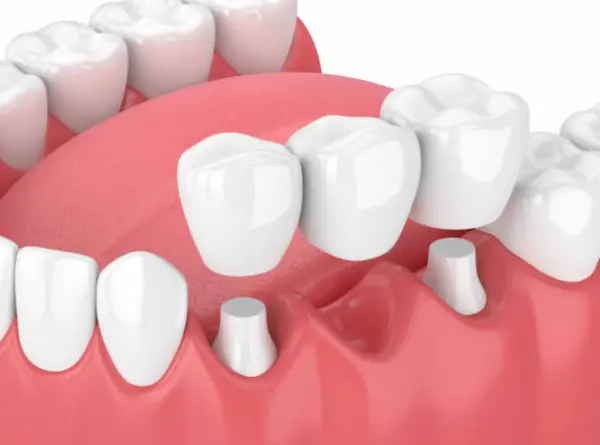
Most bridges are supported by adjacent teeth (abutments). In many cases, those teeth are prepared and restored to support the bridge — with a focus on fit, comfort, and a natural finish.
UsuallyThe most common type
Replace the gap — protect balance.
A dental bridge replaces one or more missing teeth with a fixed solution — designed to restore function, protect bite balance, and refine aesthetics. Your plan is tailored to the tooth position, gum health, and long-term stability.
Considering alternatives? Explore dental implants and dentures.
The essentials
A dental bridge replaces one or more missing teeth with a fixed false tooth, held in place by crowns on the teeth either side of the gap or by dental implants. At Platinum Medical Center in Lusail, your dentist assesses the gap, the neighbouring teeth, the gums and your bite, then recommends the type: a traditional bridge, a cantilever or resin-bonded (Maryland) bridge in selected cases, or an implant-supported bridge. A bridge is usually fitted over 2 to 3 visits across about 2 to 3 weeks, stays fixed in place, and often lasts 10 to 15 years or more with good cleaning.
Our approach
We assess the missing space, neighbouring teeth, bite forces, and gum health — then recommend the safest, most stable option.
In many cases, bridges are planned alongside restorative care such as dental crowns. If a tooth needs removal before replacement, see tooth extractions.
Considering alternatives? Explore dental implants and dentures, or compare bridge types and bridges versus implants in our patient guide.
Types
Bridge type is chosen based on tooth position, bite forces, and support. Your doctor will advise which option matches your anatomy and long-term stability goals.
Most bridges are supported by adjacent teeth (abutments). In many cases, those teeth are prepared and restored to support the bridge — with a focus on fit, comfort, and a natural finish.
UsuallyThe most common type
The false tooth is held by a crown on one side only, for a gap with a strong tooth on just one side and a light bite.
UsuallySelected cases
The false tooth has thin wings bonded to the back of the neighbouring teeth, with little or no drilling. It suits some front teeth.
UsuallySelected cases, often front teeth
In selected cases, multiple missing teeth can be replaced using implants as support — reducing reliance on neighbouring teeth. Suitability depends on bone support, gum health, and clinical planning.
UsuallySeveral missing teeth
Compare
All three replace missing teeth. They differ in what they rest on, how long they take and whether they come out.
Sometimes a bridge isn’t the best option — due to gum health, bite factors, or support teeth condition. We’ll explain alternatives clearly and recommend the safest path.
Materials
Material choice affects strength, translucency, and how natural the bridge looks in different lighting. We match shade, texture, and contour to your smile — with bite forces, gum line, and longevity in mind.
A bridge replaces the tooth you lost and protects the ones you still have, by keeping your bite in balance.
The visit
From the first assessment to your review, here is what to expect.
 First visit
We assess the missing space, the health of supporting teeth, gum stability, and bite relationships. Your plan includes the recommended type of bridge, timing, and long-term maintenance.
 About 1 to 2 hours
After local anaesthetic, the teeth either side of the gap are shaped for crowns, a digital scan is taken and the shade is chosen. A temporary bridge covers the gap.
The bridge is made as one piece to the scan, shaped and coloured to blend with your smile.
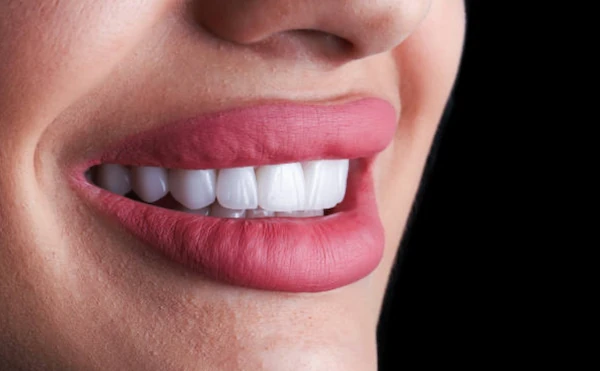 About 1 hour
The bridge is tried in, checked for fit, bite and shade, adjusted where needed and cemented in place.
 Afterwards
You learn how to clean under the false tooth, and the bridge is checked at your routine visits.
Care
Bridges can last for years with good hygiene and maintenance. We’ll guide you on cleaning techniques, review timing, and habits that protect your result.
A threader or thick floss passes under the false tooth to clean where it meets the gum.
Small brushes clean the spaces beside the support teeth, where decay can start.
A water flosser helps, and regular professional cleaning keeps the gums under the bridge healthy.
Timing
A gap does more than show when you smile.
Suitability
Usually suitable
Another option may suit better
Your dentist explains each option for your gap, including leaving it.
Safety
The support teeth can feel sensitive for a few days after shaping. If cleaning under the bridge is difficult, decay can start at the edge of a crown and the gum under the false tooth can become inflamed. Uncommonly, a support tooth needs root canal treatment later. Ceramic can chip, and a Maryland bridge can come loose and need rebonding.
Careful preparation, precise scans, a well-fitting temporary bridge, cleaning guidance and regular reviews keep these risks low.
Your plan
A bridge is planned around your gap, so the fee depends on what it needs. You receive a clear plan, including fees, after your assessment.
Many insurance plans cover part of a bridge, so it is worth checking your policy.
Your consultation
Ask how the health of the neighbouring teeth, the bone and your bite affect each option.
Ask how much they will be shaped, and whether a Maryland bridge could avoid it.
Ask to be shown how to use a threader or brushes before you leave.
Ask what affects its lifespan for you and how often it will be checked.
Your specialist

Oral & Maxillofacial Surgeon
Dr. Ahmad plans and fits bridges at Platinum, choosing the type and material for each gap. As the clinic’s implant surgeon, he also plans bridges supported by implants.
Questions
A fixed replacement for one or more missing teeth: a false tooth held in place by crowns on the teeth either side of the gap, or by dental implants.
Traditional bridges, cantilever bridges, resin-bonded (Maryland) bridges and implant-supported bridges. Your dentist chooses by the position of the gap, your bite and the support available.
An implant leaves the neighbouring teeth untouched and suits a gap with enough bone; a bridge is quicker and suits neighbours that already need crowns. Your dentist explains which fits your case.
Often 10 to 15 years or more with good cleaning and regular checks.
Usually 2 to 3 visits over about 2 to 3 weeks, with a temporary bridge in between.
The teeth are numbed with local anaesthetic, so you should feel pressure but not pain. The support teeth can feel sensitive for a few days afterwards.
For a traditional bridge, yes: they are shaped for crowns. A Maryland bridge needs little or no shaping, and an implant-supported bridge does not use them at all.
A false tooth with thin wings bonded to the back of the neighbouring teeth. It needs little or no drilling and suits some front teeth.
With a floss threader or thick floss under the false tooth, small interdental brushes beside the support teeth, and regular professional cleaning.
Yes. Once it is fitted you can eat normally, though it is wise to avoid biting very hard objects such as ice or nut shells.
Usually once the gum has healed, often after about 2 to 3 months. A temporary tooth can fill the gap meanwhile.
Usually yes. A bridge can be remade, or the gap can be restored with implants, depending on the health of the support teeth.
A bridge held by dental implants instead of natural teeth, often used when several teeth in a row are missing.
The fee depends on the number of teeth, the type of bridge and material, any treatment needed first and whether implants are used. You receive a clear plan, including fees, after your assessment.
Further reading
Private consultation
Prefer guidance? Book a consultation and we’ll recommend the right approach for your goals — a bridge, an implant plan, or a comfort-focused denture option.

Doctor-led dentistry, dermatology & aesthetics — crafted in Lusail with calm precision.


