


Partial Dentures
Partial dentures replace several missing teeth while using existing teeth for support. The goal is a secure fit that feels natural and supports chewing and speech comfortably.
UsuallySome teeth remaining
Comfort first. Fit matters. A natural finish.
Dentures can replace missing teeth with a removable solution designed for daily function, comfort, and confidence. We plan carefully around bite, gum health, and stability — then fine-tune fit over time.
The essentials
Dentures are removable replacement teeth on a gum-coloured base. At Platinum Medical Center in Lusail, a partial denture replaces some missing teeth and clips to the teeth you still have; a complete denture replaces all the teeth in the upper or lower jaw; and in selected cases, implants hold a denture firmly in place. Making a denture usually takes 3 to 5 visits over 3 to 6 weeks: impressions or a scan, bite records, a try-in, then fitting and adjustments. Most people get used to eating and speaking with new dentures within 2 to 4 weeks, and a well-made denture usually lasts 5 to 10 years with regular reviews and relines.
Our approach
The right replacement depends on the teeth you still have, your gums, your bite and how you want it to feel.
We assess remaining teeth (if any), gum condition, bite balance, and comfort needs — then recommend the most appropriate option: partial dentures, complete dentures, or an alternative replacement route such as dental implants or dental bridges.
Types
How many teeth are missing, and how firm you want the denture to feel, decide the type.
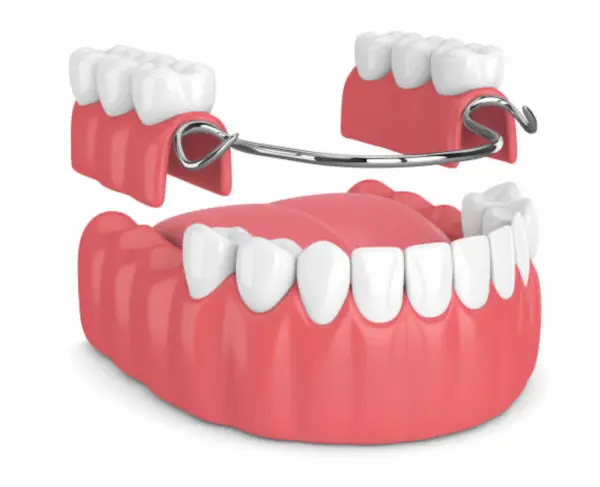
Partial dentures replace several missing teeth while using existing teeth for support. The goal is a secure fit that feels natural and supports chewing and speech comfortably.
UsuallySome teeth remaining
Complete dentures replace all teeth in an upper or lower arch. Planning includes bite height, smile line, and stability — with careful follow-up to optimise comfort as gums adapt.
UsuallyFull-arch replacement
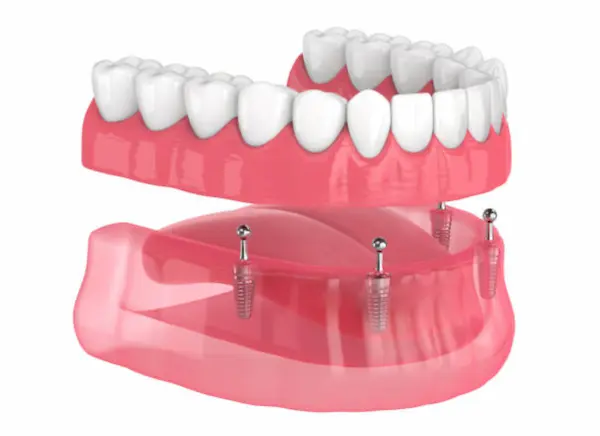
For selected cases, implants can be used to support a denture for improved stability — helping reduce movement and improving confidence while eating and speaking. Suitability depends on bone support, gum health, and overall planning.
UsuallyA firmer hold
An immediate denture is made before teeth are removed and fitted straight after the extraction, so you are not without teeth while the gums heal. It is relined or remade once healing settles.
UsuallyFitted on extraction day
The right denture depends on how many teeth are missing, your bite, and how you want it to feel day-to-day. We’ll recommend the most stable and comfortable option for your case.
UsuallyCase-by-case planning
In many cases, we explore alternatives before recommending dentures — especially when the goal is a more fixed feel or when remaining teeth can support a different solution. Your dentist will advise the safest option based on bite, gum health, and long-term stability.
UsuallyFixed options
Materials
The base and the teeth are chosen for comfort, strength and a natural look.
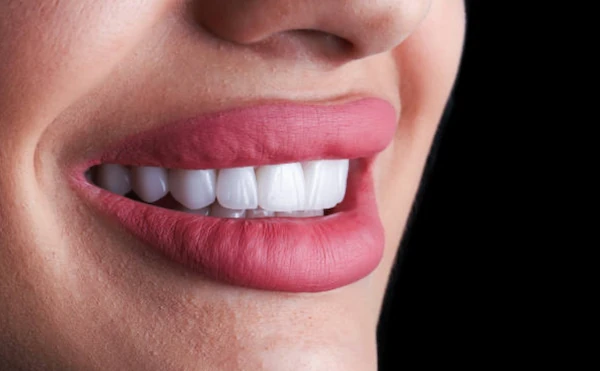
A natural finish comes from shade selection, tooth shape, and a well-designed base. We tailor aesthetics to your face, age, and preferences — always aiming for believable, refined results.
Compare
Three ways to replace missing teeth, and how they differ.
A denture should feel secure enough that you forget it is there.
The visit
From the first consultation to a comfortable fit, here is what to expect.
 First visit
Your dentist examines your gums and any remaining teeth, takes X-rays if needed, and explains the options: partial, complete or implant-supported dentures, or a fixed alternative.
 Second visit
Accurate impressions or a scan record the shape of your gums, and bite records set the height and position of your new teeth. Tooth shade and shape are chosen with you.
 Try-in
You try the denture with its teeth set in wax, so the fit, bite, look and speech can be checked and changed before it is finished.
 Fitting
Fit is everything. We plan for comfort and stability — then fine-tune with adjustments and guidance so speaking and eating feel easier over time.
 Ongoing
Dentures require routine care to stay clean, comfortable, and stable. We’ll guide you on cleaning, storage, and when to return for review.
Getting used to them
New dentures can feel bulky, and saliva increases for a few days. Start with soft food cut into small pieces.
Speech and chewing improve within 2 to 4 weeks. Sore spots are common and are eased at adjustment visits.
Gums and bone change shape over time, so dentures need relining and, after about 5 to 10 years, replacing.
Dentures in Qatar
A few local points make dentures more comfortable.
Suitability
Usually suitable
Consider another option or plan first
If you already wear a denture that is loose or sore, bring it to the consultation; it may be relined or replaced.
Comfort and safety
Sore spots, a loose fit, unclear speech at first and food under the denture are common while you adapt. Over time the gums and bone shrink, so a denture that is never relined can rub, loosen or irritate the gums, and poor cleaning can lead to a fungal infection under the denture.
Careful impressions, a try-in before finishing, adjustment visits, daily cleaning, leaving dentures out at night and regular reviews keep these problems to a minimum.
Your plan
The fee depends on the type of denture and how many teeth it replaces.
You receive a personalised plan, including fees, after your assessment. Dentures may be covered by dental insurance, so check your policy.
Your consultation
Ask why a partial, complete or implant-supported denture is recommended.
Ask whether implants or a bridge are possible for you.
Agree the steps, from impressions to fitting and adjustments.
Ask how to clean and store it, and how often it should be checked.
Your specialist

Oral & Maxillofacial Surgeon
Dr. Ahmad plans dentures and their alternatives at Platinum, from partial and complete dentures to implant-supported dentures that stay firmly in place, and fine-tunes the fit at review visits.
Questions
Partial dentures replace some teeth, complete dentures replace all the teeth in a jaw, and implant-supported dentures clip onto implants for a firmer hold.
Usually 3 to 5 visits over 3 to 6 weeks, from impressions and bite records to a try-in and fitting.
They should not. Sore spots are common in the first weeks and are eased at adjustment visits.
Usually 2 to 4 weeks for eating and speaking. Start with soft food, and read aloud to practise speech.
Most foods, once you are used to them. Cut food into small pieces, chew on both sides, and take care with very hard or sticky foods.
Usually not. Taking them out at night rests the gums and helps prevent infection; keep them in water or a cleaning solution.
Brush them daily with a soft brush and a denture cleaner rather than toothpaste, rinse them after meals, and clean your gums and tongue too.
Usually 5 to 10 years. They need relining as your gums change, and a check at least once a year.
In selected cases. An immediate denture is made in advance and fitted straight after the extraction, then relined once the gums heal.
Dentures that clip onto 2 or more implants in the jaw, so they stay firmly in place. They suit selected cases, depending on bone and gum health.
A loose denture can often be relined to fit your gums again. If it is worn or old, a new denture or implant support may be better.
Implants feel more like natural teeth and protect the bone, but need surgery and enough bone. Dentures are quicker and suit more people. Your dentist explains which fits your case.
A well-made denture is designed to look natural, with the tooth shade, shape and gum colour chosen to suit your face.
The fee depends on the type of denture, the materials and any treatment needed first. You receive a personalised plan, including fees, after your assessment.
Further reading
Private consultation
Prefer guidance? Book a consultation and we’ll recommend the right approach for your goals — partial dentures, complete dentures, or an alternative replacement plan.

Doctor-led dentistry, dermatology & aesthetics — crafted in Lusail with calm precision.


