


Hydration and glow
Designed to support hydration, radiance and a smoother-looking finish — particularly when skin looks dull, tired, or dehydrated.
UsuallyFace, neck and hands
Skin quality, refined — hydration first.
Skin-quality concerns can involve texture, dryness, lines or a different underlying problem. A skin-boosters consultation at Platinum Medical Center in Lusail considers the exact concern, proposed product and treatment area before deciding whether an injectable approach is appropriate.
The essentials
Skin boosters are fine injections of a soft, hydrating gel, usually hyaluronic acid, placed in tiny amounts across the skin. They improve the skin itself: hydration, glow, fine lines, smoothness and elasticity, on the face, neck, hands and, in selected cases, under the eyes. Unlike fillers, they do not add volume or change your features. At Platinum Medical Center in Lusail, your dermatologist first checks what is behind the concern, then chooses the product and plan, usually 2 to 3 sessions a few weeks apart, with results that last about 6 months.
Our approach
We begin with an assessment — skin type, sensitivity, dehydration, texture, and the finish you want. Plans are often delivered as a course, then maintained with occasional top-ups based on response.
Skin-quality concerns can involve texture, dryness, lines or a different underlying problem. A skin-boosters consultation at Platinum Medical Center in Lusail considers the exact concern, proposed product and treatment area before deciding whether an injectable approach is appropriate.
For broader skin quality strategies, explore Karisma or skin rejuvenation.
What they help
Skin boosters work on the quality of the skin rather than its shape. These are the concerns they are chosen for.
Designed to support hydration, radiance and a smoother-looking finish — particularly when skin looks dull, tired, or dehydrated.
UsuallyFace, neck and hands
Selected protocols focus on skin quality markers — fine texture, elasticity and overall finish — tailored to your skin type and comfort.
UsuallyFine lines and crepey skin
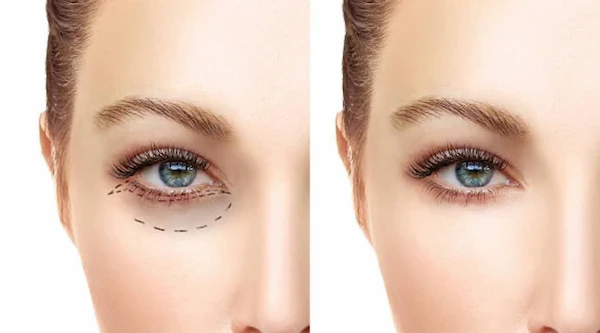
In selected cases, delicate-area protocols can be used around the under-eye to support tissue quality. Suitability depends on anatomy, skin thickness and the type of concern.
UsuallyThin, crepey under-eye skin
These areas show dryness and fine creasing early and respond well to hydration. They are treated with the same fine technique, often in the same visit as the face.
UsuallyOften combined with the face
Dark circles, puffiness and hollows under the eyes have different causes, and an injectable is not the answer to every one of them. Your doctor explains what is behind yours first.
How they work
Glow is not one treatment category. Hydration, collagen support and regeneration are different goals.
Most boosters contain hyaluronic acid, a sugar the skin makes naturally that holds water. Some add amino acids or other components that support the skin.
The gel is placed in many tiny amounts just under the surface, where it spreads evenly instead of adding volume in one spot.
The skin holds more water and gradually renews, so it looks smoother, more even and more luminous. Products differ, so your doctor explains the one proposed for you.
Compare
Will skin boosters replace filler or lifting treatment? Do not assume so. Each option has a distinct goal.
Boosters do not relax the lines that appear with movement, and many plans combine boosters with one of these options.
Skin boosters refine the skin. They do not lift, fill or change your features.
The visit
From the first consultation to maintenance, here is what to expect.
 First visit
Your doctor examines your skin in good light, asks about your skincare, medical history and any previous treatment, and explains which product suits the concern, what it can and cannot change, and the alternatives.
Tell your doctor about any medicines or supplements that make you bruise more easily; never stop a prescribed medicine on your own. Avoid alcohol the day before, arrive without make-up, and plan treatment at least two weeks before an important event.
 About 20 to 30 minutes
Numbing cream is applied for about 20 to 30 minutes. Your doctor then places the gel in many tiny amounts with a very fine needle or cannula. Most people feel light pricks and pressure.
 The first two days
Aftercare is usually simple. Small raised bumps at the injection points settle within 1 to 2 days. Avoid make-up for about 12 hours, and strenuous exercise, saunas, alcohol and facial massage for a day or two.
 Every 3 to 4 weeks, then every 6 months
Most plans are 2 to 3 sessions about 3 to 4 weeks apart. Agree on review points based on the product, area and response rather than a universal repeat schedule.
Results
Once the bumps settle, the skin looks fresher and better hydrated.
The fuller effect on smoothness, fine lines and elasticity is usually visible about a month after the last session.
The gel is gradually absorbed. A maintenance session, often every 6 months, keeps the result.
Results vary with the product, the area, your skin and your routine. Daily sunscreen and a good moisturiser help them last.
Skin in Qatar
Heat, strong sun and long hours in air conditioning draw water from the skin, so many people here notice dullness and fine lines earlier.
Suitability
Usually suitable
Wait, or choose another option
No one under 18 is treated.
Safety
Small raised bumps, redness, tenderness and pinpoint bruises are common and settle within a few days; the under-eye area can swell for longer. Uncommonly, small lumps, infection or a delayed reaction can occur. Very rarely, a gel can block a small blood vessel, which needs treatment at once.
Careful technique, sterile single-use products recorded in your notes, a dissolving enzyme kept on site for hyaluronic acid gels, and written aftercare keep these risks low. Report increasing pain, colour change of the skin, or swelling that worsens promptly.
Your plan
Skin boosters are planned around your skin, so the fee depends on the product and the course. You receive a personalised treatment plan, including fees, after your assessment.
Insurers usually treat skin boosters as cosmetic, so check your policy.
Your consultation
No. Ask about the exact product, intended use, evidence and risks for the proposed area.
No. Darkness, puffiness, skin-quality changes and hollowing can need different assessment. Discuss whether an injectable is appropriate at all.
Do not assume so. Discuss the distinct goal and what the proposed treatment cannot change.
Agree on review points based on the product, area and response rather than a universal repeat schedule.
Your specialist

Medical Director & Specialist Dermatologist
Dr. Anas assesses your skin and plans each course: which product, which areas and when to review. He has more than 15 years of experience in dermatology across Syria and Qatar, including injectable treatments for skin quality.
Questions
Fine injections of a soft, hydrating gel, usually hyaluronic acid, placed in tiny amounts across the skin. They improve hydration, glow, fine lines and elasticity without adding volume.
Fillers are firmer gels placed in one area to restore volume or shape. Skin boosters are softer gels spread through the skin to improve its quality, so they do not change your features.
The face, neck, décolletage and hands, and in selected cases the under-eye area. Many people treat the face and neck in the same visit.
Usually 2 to 3 sessions about 3 to 4 weeks apart, depending on the product and your skin, followed by maintenance.
Usually about 6 months, depending on the product, the area and your skin. A maintenance session, often every 6 months, keeps the result.
Once the small bumps settle, after 1 to 2 weeks, the skin looks fresher and better hydrated. The fuller effect is usually visible about a month after the last session.
Numbing cream is applied first, so most people feel light pricks and pressure. The treatment takes about 20 to 30 minutes.
Small raised bumps at the injection points usually settle within 1 to 2 days, and pinpoint bruises can be covered with make-up after about 12 hours. Most people return to work the same or the next day.
Only some. Dark circles can come from pigment, thin skin, puffiness or hollowing, which need different approaches; a booster helps mainly thin, crepey skin. Your doctor explains what is behind yours first.
They are generally well tolerated. Bumps, redness and small bruises are common and short-lived; lumps, infection and blocked blood vessels are uncommon or rare, and a dissolving enzyme is kept on site for hyaluronic acid gels.
Yes. They do different jobs, so they are often combined with fillers or PRP, sometimes in the same visit. Your doctor plans the order and timing.
They work differently: boosters hydrate with hyaluronic acid, while PRP supports repair with growth factors from your own blood. Your doctor explains which fits your skin, and some plans use both.
Treatment is postponed in pregnancy and breastfeeding and while there is an infection in the area. An allergy to an ingredient, bleeding problems or blood-thinning medicines need discussing first. No one under 18 is treated.
The fee depends on the product, the areas treated, the number of sessions and maintenance. You receive a personalised treatment plan, including fees, after your assessment.
Further reading
Private consultation
Prefer guidance? Book a Skin-Quality Consultation and we’ll recommend the right protocol for your skin.

Doctor-led dentistry, dermatology & aesthetics — crafted in Lusail with calm precision.


