


First Visit (Confidence First)
We make the first visit calm and positive. The goal is to build trust, introduce the environment, and keep the assessment gentle and age-appropriate.
UsuallyTrust first
A calm first visit. A confident routine.
We keep children’s visits simple, supportive, and gentle — with prevention and habit-building at the centre of every plan.
The essentials
Paediatric dentistry at Platinum Medical Center in Lusail looks after children’s teeth from the first tooth through the school years, with gentle check-ups, prevention and treatment when it is needed. A first visit is recommended by the first birthday, or within 6 months of the first tooth appearing, and it focuses on comfort and trust. Check-ups are often every 6 months, depending on risk, age and previous findings, and include advice on brushing, fluoride and snacks, fissure sealants for the deep grooves of back teeth in selected cases, and early checks of how the teeth and jaws are developing. Children are always seen with a parent or guardian.
Our approach
Comfort, prevention and trust come first.
Children’s dentistry is about comfort, prevention, and trust. We assess brushing habits, diet patterns, and risk factors — then recommend the most appropriate check-up interval and preventive steps. If we see early alignment concerns, we may guide you toward orthodontic planning such as clear aligners or braces when age-appropriate.
For whole-family check-ups and preventive care, see general dentistry.
Children’s care
Gentle care that protects growing teeth.
We make the first visit calm and positive. The goal is to build trust, introduce the environment, and keep the assessment gentle and age-appropriate.
UsuallyTrust first
Regular check-ups help us spot early signs of decay, monitor eruption patterns, and support healthy development. Frequency depends on risk, age, and previous findings.
UsuallyEarly detection
Small habits protect growing teeth. We provide clear guidance on brushing technique, fluoride use, and snack/drink patterns — without overwhelm.
UsuallyHabits at home
Sealants help protect deep grooves in molars where plaque can hide. They’re fast, painless, and often recommended soon after molars erupt — depending on risk.
UsuallyBack teeth protected
Decay in baby teeth is treated, because baby teeth hold space for adult teeth and decay can cause pain and infection.
UsuallyBaby teeth matter
We end every visit with a clear plan: maintenance interval, home-care focus, and what to watch for. If treatment is needed, we explain options calmly and clearly.
UsuallyA clear plan
By age
Care changes as children grow.
Use a smear of fluoride toothpaste for children under 3, and a pea-sized amount from 3 to 6, unless your dentist advises otherwise.
Compare
Three kinds of care, and what each is for.
A calm first visit shapes how a child feels about the dentist.
The visit
From the first visit to regular check-ups, here is what to expect.
 Before the visit
Talk about the visit simply and positively, and bring any questions about brushing, feeding or habits.
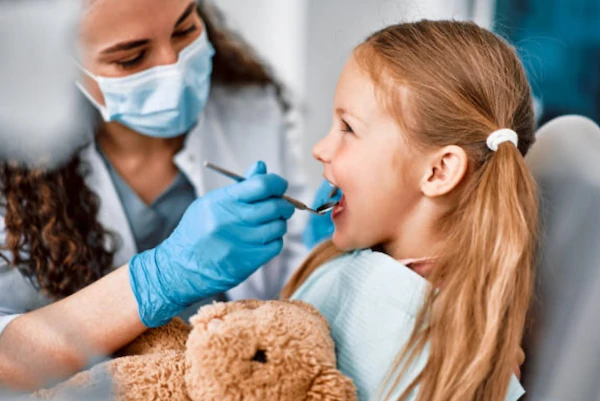 At the visit
The dentist checks the teeth and gums, sometimes with your child on your lap, at a pace that suits them.
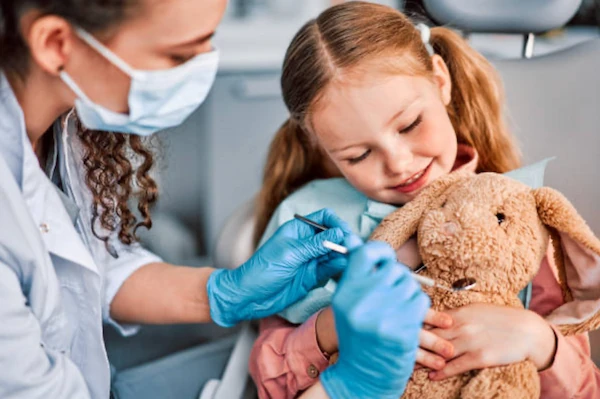 The same visit
You receive practical guidance on brushing, toothpaste, snacks and drinks for your child’s age.
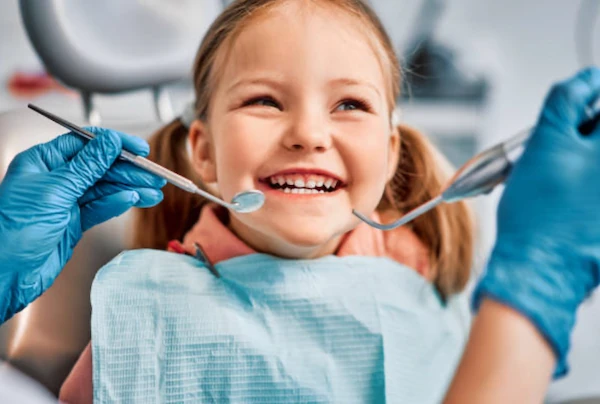 When back teeth come through
In selected cases, sealants protect new back teeth. If a tooth has decay, the options are explained to you calmly first.
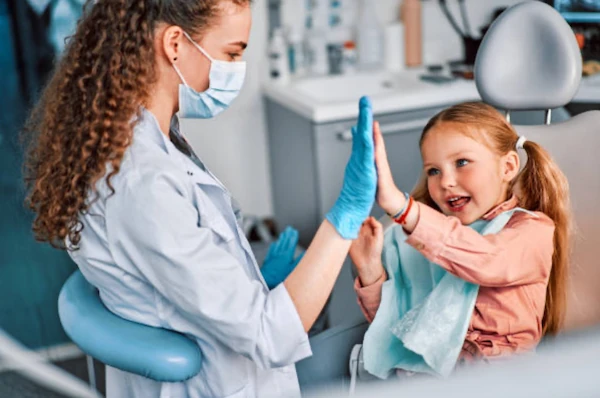 End of each visit
You leave knowing when to return and what to watch for at home.
Milestones
Baby teeth usually start to appear around 6 months, and all 20 are usually through by about age 3.
The first adult molars and front teeth usually arrive around age 6, and baby teeth are replaced gradually until about age 12.
Early checks of bite and spacing help plan orthodontic care at the right time.
Children’s teeth in Qatar
Everyday points for families in Lusail and Doha.
When to book
Book a visit for
Call the clinic promptly for
Children are always seen with a parent or guardian. For urgent problems, see urgent dental assessment.
Safety
Treatment is planned around your child’s age, comfort and cooperation. Dental X-rays are used only when they will change the plan, and local anaesthetic is used for fillings when needed.
If a child is very anxious or needs extensive treatment, the dentist discusses the options with you, which may include a referral.
Your plan
The fee depends on the visit and any treatment needed.
You receive a clear plan, including fees, before any treatment. Children’s dental care may be covered by insurance, so check your policy.
Your visit
Ask about how the teeth are coming through, spacing and bite.
Ask about the toothpaste amount and brushing for your child’s age.
Ask whether your child’s back teeth would benefit.
Ask for a review interval based on your child’s risk.
Your specialist
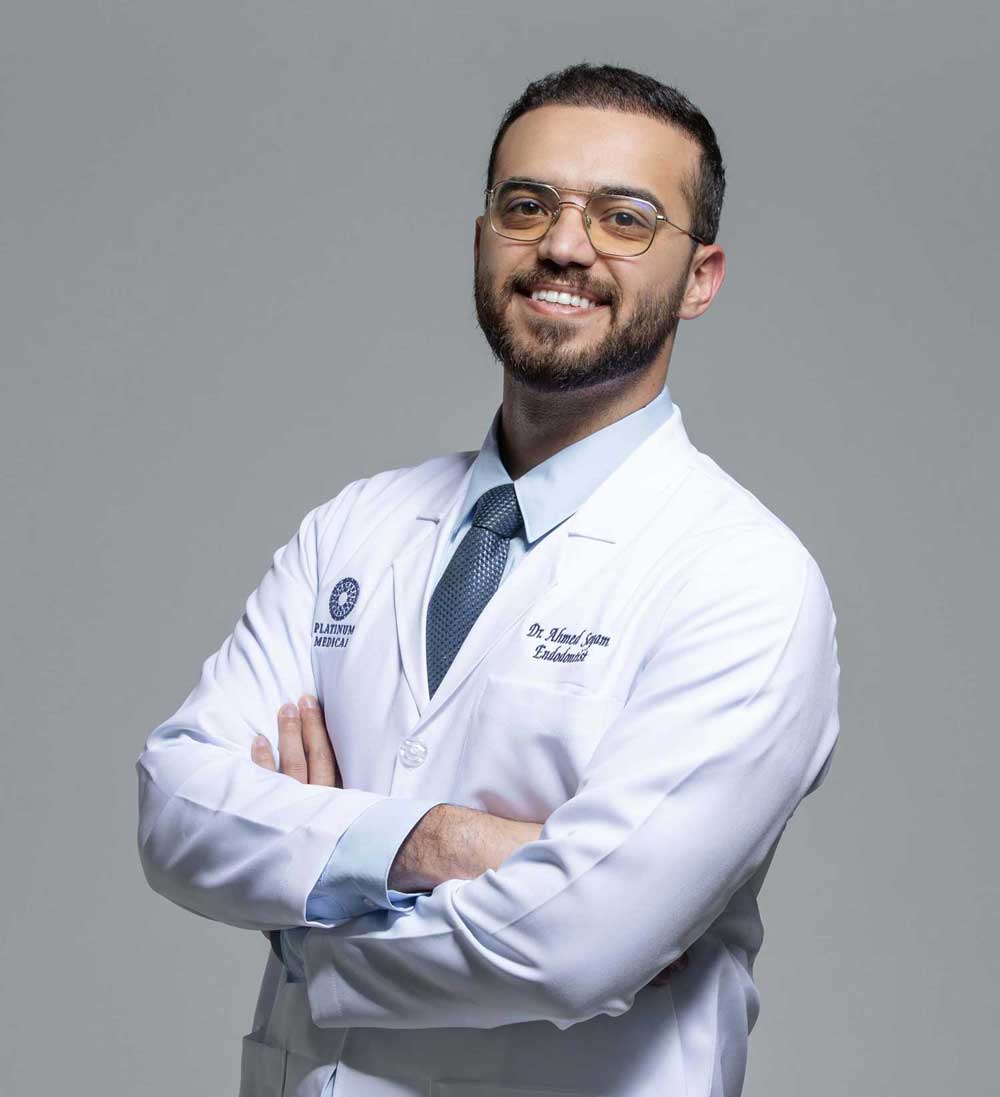
Cosmetic & Restorative Specialist
Dr. Ahmed sees children at Platinum for check-ups, prevention and fillings, at a pace that suits each child, and plans an orthodontic referral when the timing is right.
Questions
By the first birthday, or within 6 months of the first tooth appearing.
Often every 6 months, but the interval depends on risk, age and previous findings.
Baby teeth hold space for adult teeth and help with eating and speech, and decay can cause pain and infection.
A smear of fluoride toothpaste under age 3, and a pea-sized amount from 3 to 6, unless your dentist advises otherwise.
Thin protective coatings painted onto the deep grooves of back teeth to help keep plaque out. They are fast and painless.
Ideally before the adult front teeth come through; ask your dentist if the habit continues.
Yes, in the right amounts. Use the toothpaste amount recommended for your child’s age.
Tell the team when you book. The visit is kept calm and gentle, at a pace that suits your child.
Only when the result will change your child’s care.
A baby tooth is not put back. An adult tooth should be held by the crown, put back or kept in milk, and seen straight away.
Usually from about age 6 until about age 12.
Checks of bite and spacing at check-ups help decide the right time, and the dentist refers you when needed.
Yes. Children are always seen with a parent or guardian.
The fee depends on the visit and any treatment needed. You receive a clear plan, including fees, before any treatment.
Further reading
Private consultation
Prefer guidance? Book a consultation and we’ll recommend the right approach for your child — check-ups, prevention, and a calm plan moving forward.

Doctor-led dentistry, dermatology & aesthetics — crafted in Lusail with calm precision.


