


Clear removable retainer
A thin, clear tray made to your teeth and worn on the schedule your orthodontist sets.
UsuallyRemovable
Retention, fit checks and replacements
Retainers help maintain tooth position after orthodontic treatment. At Platinum, Dr. Nadine Homoud and Dr. Maria Jose Chacón can assess your retention needs, including a retainer that is lost, damaged or no longer fits. Patients whose orthodontic treatment took place elsewhere are welcome for assessment.
Bring your current retainer and any available treatment records. Your orthodontist will explain the appropriate next step after checking your teeth and bite.
The essentials
A retainer keeps your teeth in their new position after braces or aligners, because teeth tend to drift back, especially in the first months. At Platinum Medical Center in Lusail, specialist orthodontists Dr. Nadine Homoud and Dr. Maria Jose Chacón check your teeth and bite, advise on removable or fixed retainers, and replace retainers that are lost, broken or no longer fit, including ones made at another clinic. If your teeth have already moved, they explain whether a new retainer is enough or whether further alignment should be discussed. Long-term retention is commonly needed, on a wear schedule set by your orthodontist.
Our approach
The right retainer depends on your treatment, your teeth now and how you will care for it.
Retainers may be removable or fixed behind the teeth. The appropriate choice depends on the completed treatment, current tooth position, oral health and your ability to care for the appliance. Discuss the options available for your case.
Types and replacements
Retainers come in several designs, and each problem has a next step.
A thin, clear tray made to your teeth and worn on the schedule your orthodontist sets.
UsuallyRemovable
A thin wire bonded behind the front teeth that holds them in place without needing to be remembered; it needs careful cleaning.
UsuallyBonded behind the teeth
A removable retainer with a wire across the front teeth, which can be adjusted.
UsuallyAdjustable
Contact the clinic promptly if a retainer is lost, cracked, loose or does not seat correctly. Your teeth need to be checked before a replacement is planned. Avoid forcing or attempting to reshape an appliance yourself.
UsuallyAct promptly
A replacement retainer and further orthodontic treatment have different purposes. If teeth have shifted, the orthodontist checks whether retention alone is appropriate or whether you need to discuss other options.
UsuallyAssessment first
Retainers made at another clinic or abroad can be checked and replaced after an examination; bring your previous retainer and any records.
UsuallyWelcome for assessment
Why retention matters
Teeth keep moving slowly for life, so retention protects the result.
A retainer holds the result; it is not designed to move teeth back after they have shifted.
Compare
How the main options differ day to day.
Retention is the lasting final stage of orthodontic treatment.
The visit
From the first check to long-term reviews, here is what to expect.
 First visit
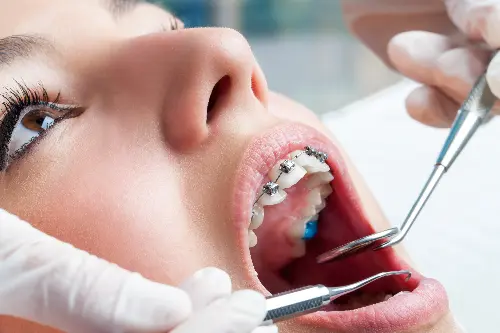
Your orthodontist checks your teeth, bite and current retainer, and asks when the fit changed or when it was last worn.
If a new retainer is needed, records of your teeth are taken so it can be made for your current tooth position.
 Fitting
Your new retainer is checked for fit, and you receive instructions for wearing, cleaning and storing it.
 Every day
Follow the instructions given for your appliance. Cleaning, storage and wear schedules vary with the design and your treatment plan. Attend recommended reviews and report a damaged appliance or a fixed wire that has come loose.
 At reviews
Return for fit checks when advised, and bring your retainer to each appointment.
When to call
A retainer that is lost, cracked or damaged by heat; teeth can start to move within weeks.
A retainer that feels tight or will not seat fully can mean teeth have moved; do not force it.
A fixed wire that feels loose or sharp, or has come away from a tooth.
Retainers in Qatar
Practical points that protect your retainer.
When to book
Book an assessment for
Discussed with your orthodontist
Explore Invisalign & clear aligners and dental braces if further alignment is discussed.
Care and safety
Removable retainers can be lost, cracked or warped by heat, and plaque builds up if they are not cleaned. Fixed wires can come loose and trap plaque, raising the risk of gum problems and decay around them.
Daily cleaning, storing removable retainers in their case, careful cleaning around fixed wires and regular fit checks prevent most problems. Avoid forcing or reshaping a retainer yourself.
Your plan
The fee depends on the type of retainer and the assessment needed.
You receive a personalised plan, including fees, after your assessment. Check your dental insurance policy for cover.
Your consultation
Ask why a removable, fixed or combined retainer is recommended.
Ask for your wear schedule and how it may change over time.
Ask whether a retainer is enough or whether other options should be discussed.
Ask how to clean, store and travel with your retainer.
Your specialist

Specialist Orthodontist
Dr. Nadine and Dr. Maria check retention after braces and aligners at Platinum, replace retainers that are lost, broken or no longer fit, and explain when teeth that have moved need more than a retainer.
Questions
Yes. Platinum accepts these patients for assessment. Bring your previous retainer and available records; the replacement plan depends on the examination.
Timing depends on the assessment and the appliance required. The team will explain the next steps and confirm when your replacement can be ready.
Long-term retention is commonly needed. Your orthodontist sets the wear schedule and reviews it for your situation.
Teeth can move back towards their old position, sometimes within weeks or months.
Each has advantages. The choice depends on your treatment, tooth position, oral health and how you will care for it, and many people have both.
A tight retainer can mean teeth have moved. Do not force it; contact the clinic for a check.
A retainer is designed to hold teeth, not to move them. If teeth have shifted, the orthodontist explains the options.
Clean it daily as instructed for its material, rinse it after wearing and store it in its case. Avoid hot water, which can change its shape.
Brush carefully along the wire and use floss threaders or small interdental brushes, as shown by your orthodontist.
Contact the clinic promptly; a loose wire can let teeth move and may irritate the tongue.
Remove a removable retainer to eat and to drink anything other than water. A fixed retainer stays in place.
Yes, if you still have it, along with any treatment records.
Yes, after orthodontic treatment. Under-18s are seen with a parent or guardian.
The fee depends on the type of retainer and the assessment needed. You receive a personalised plan, including fees, after your assessment.
Further reading
Private consultation
Discuss your needs with Platinum’s dental team.

Doctor-led dentistry, dermatology & aesthetics — crafted in Lusail with calm precision.


