


Skin Tags
Skin tags are common benign growths. In selected cases, we can remove them safely with minimal disruption and clear aftercare guidance.
UsuallyOne visit
Small concerns. Serious care.
We begin with a clinical assessment to confirm the nature of the lesion, then recommend the safest removal approach. Options may include cryotherapy, cautery, or minor excision — selected based on location, skin sensitivity and the lesion type.
The essentials
Skin tags and warts are common, harmless skin growths that a specialist dermatologist at Platinum Medical Center in Lusail can remove quickly in the clinic. Skin tags are small, soft flaps of skin, often on the neck, underarms and eyelids, and are usually removed in one visit by snipping, freezing or gentle heat. Warts are caused by a virus and can spread, so they are treated with freezing (cryotherapy), prescription treatments or removal, often over 2 to 4 sessions about 2 to 3 weeks apart. Treatment takes a few minutes for each growth, and small marks usually heal within 1 to 2 weeks.
Our approach
Most skin tags and warts are harmless, but a quick check makes sure that is what they are.
A skin tag, a wart and some other growths can look alike, so each one is examined before treatment. Your doctor explains the safest method for its size and position, and the healing to expect.
Related dermatology procedures: minor surgery.
Types
Each type of growth is treated in its own way.
Skin tags are common benign growths. In selected cases, we can remove them safely with minimal disruption and clear aftercare guidance.
UsuallyOne visit
Warts are linked to viral infection and can spread. Treatment depends on location, size and skin sensitivity. Your clinician will advise the best approach for your case.
Usually2 to 4 sessions
Rough, raised warts on the hands, fingers and knees are the most common type and respond well to freezing.
UsuallyFreezing
Warts on the soles are pushed inwards by walking and can be painful; they often need more sessions and paring of hard skin.
UsuallyMore sessions, with paring
Small, flat warts on the face, hands or legs, sometimes spread by shaving, are treated gently to avoid marks.
UsuallyGentle methods
Seborrhoeic keratoses, milia and small cysts can look similar and are removed differently; see minor surgery.
UsuallyChecked first
Methods
The method is chosen for the type of growth, its size and where it is.
Warts often clear on their own over months to years, so treatment is optional when they are not painful or spreading.
Compare
These three are often confused; they have different causes and treatments.
Quick to remove, but always checked first.
The visit
From the first check to clear skin, here is what to expect.
 First visit
Your dermatologist examines each growth, confirms whether it is a skin tag, a wart or something else, and explains the method, the number of sessions, the healing and the alternatives.
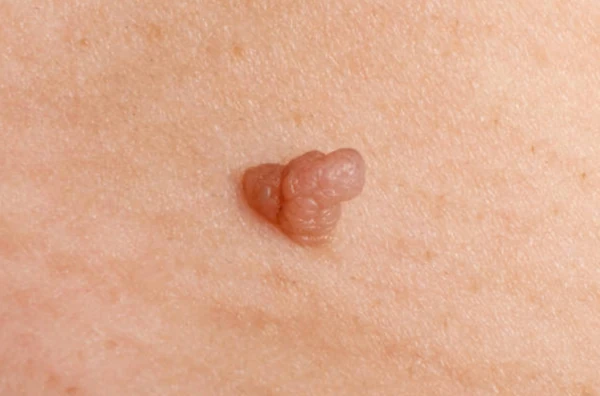 Often the same visit
Skin tags can often be removed at the first visit. Warts are frozen or treated, taking a few minutes for each one.
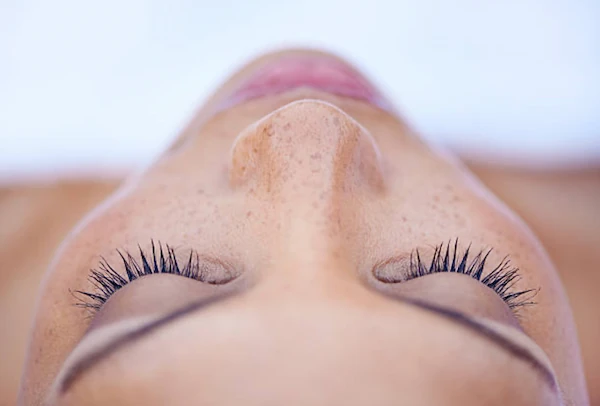 The first two weeks
Aftercare is typically simple. We’ll guide you on cleansing, irritation control, what to avoid while healing, and when to return for review.
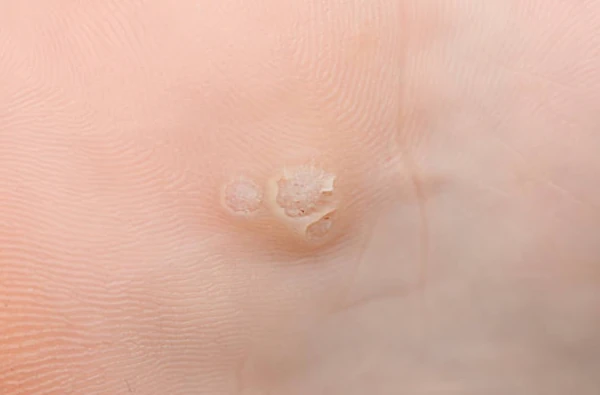 Every 2 to 3 weeks
Warts are treated again every 2 to 3 weeks until they clear, usually within 2 to 4 sessions.
Your doctor checks that the area has healed and the wart has cleared, and explains how to prevent new ones.
Results
Snipped tags are gone straight away; frozen ones fall off within 1 to 2 weeks.
Most warts clear after 2 to 4 sessions; plantar warts can take longer.
Small marks heal within 1 to 2 weeks and usually fade, although a light or dark patch can last a few months in darker skin.
Skin tags and warts in Qatar
Life in Qatar makes some of these growths more common.
Suitability
Usually suitable
Check first, or wait
Skin tags are more common with diabetes and insulin resistance; many new tags can be a reason to check your blood sugar.
Safety
Freezing stings for a minute and can cause a blister that heals within 1 to 2 weeks. Removal can leave a small mark, and in darker skin a light or dark patch for a few months. Warts can return, because the virus can remain in the skin.
Examining each growth first, choosing the gentlest method that works, treating warts early before they spread, clear aftercare and sun protection keep these risks low.
Your plan
The fee depends on how many growths are treated and the method used.
You receive a personalised plan, including fees, after your assessment. Insurers often treat skin tag removal as cosmetic, so check your policy.
Your consultation
Ask your doctor to confirm what each growth is before it is treated.
Ask why one method is recommended for the size and position of the growth.
Skin tags usually need one visit; warts often need 2 to 4 sessions.
Ask about footwear, shaving and caring for the skin while warts are treated.
Your specialist
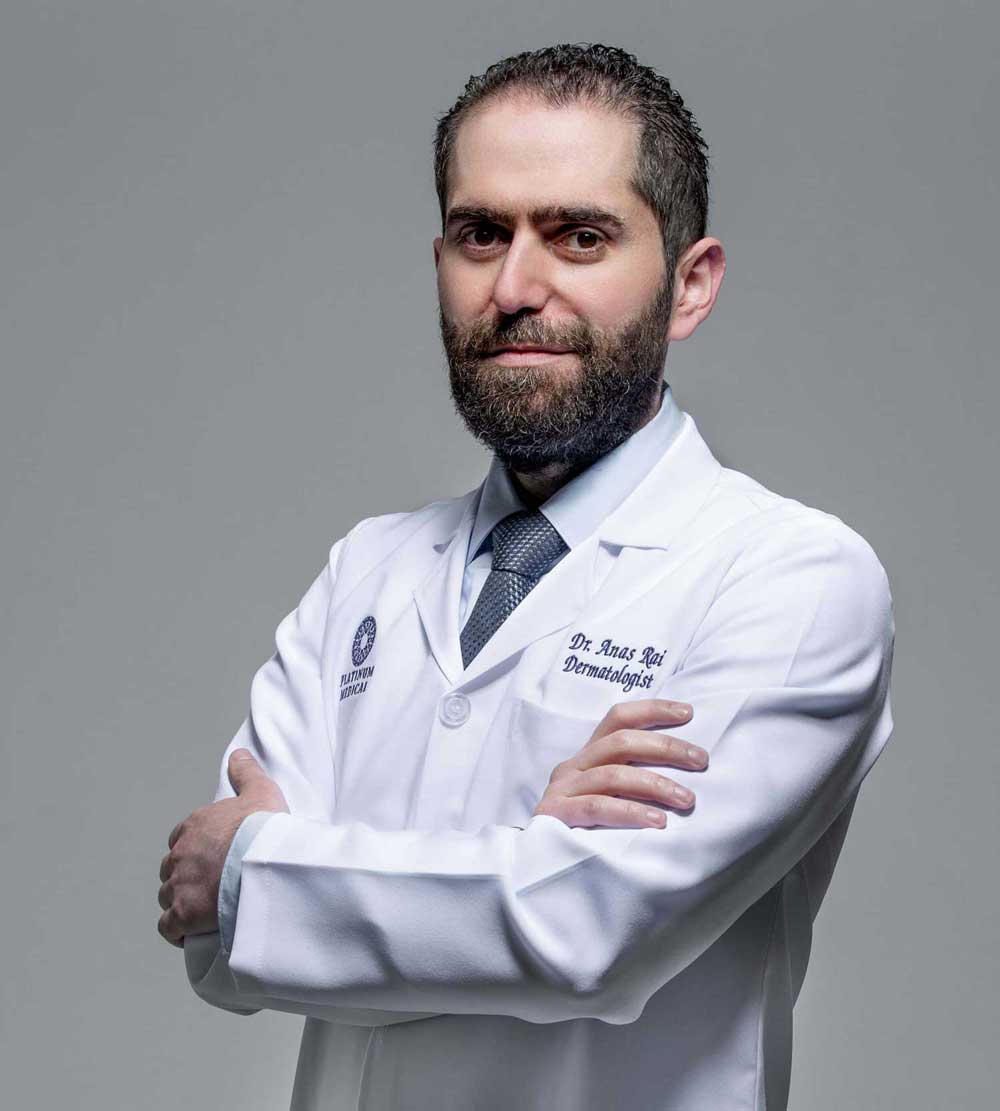
Medical Director & Specialist Dermatologist
Dr. Anas examines each growth, confirms what it is and plans the treatment: the method, the number of sessions and how to prevent new warts. He has more than 15 years of experience in dermatology across Syria and Qatar, including the removal of skin tags and warts.
Questions
They are snipped off with fine sterile scissors, frozen or sealed with gentle heat, usually in a single short visit.
Small tags are removed in seconds with little discomfort; numbing is used for larger ones.
A removed tag does not come back, but new tags can form, especially with friction or weight gain.
Usually with freezing every 2 to 3 weeks, sometimes with prescription paints or creams at home, or with removal for stubborn warts.
Usually 2 to 4 sessions, about 2 to 3 weeks apart; warts on the soles can need more.
Yes. Warts are caused by a virus and spread through direct contact and wet surfaces such as pool areas.
Many do, over months to years, but treatment clears them faster and stops them spreading.
Yes, with care. Tags on the eyelids are removed with fine instruments and gentle techniques.
Usually only a small mark that fades. In darker skin, a light or dark patch can last a few months.
A wart on the sole of the foot, pushed inwards by walking. It can be painful and often needs more sessions.
Yes. Gentle treatments are chosen, and children are seen with a parent or guardian.
Some wart treatments are avoided in pregnancy. Your doctor will choose a safe option or suggest waiting.
Yes. Every growth is examined first, and anything unusual is removed and tested.
The fee depends on the number of growths, the method and the number of sessions. You receive a personalised plan, including fees, after your assessment.
Further reading
Private consultation
Prefer guidance? Book a consultation and we’ll recommend the safest approach.

Doctor-led dentistry, dermatology & aesthetics — crafted in Lusail with calm precision.


