


Assessment & Treatment Planning
We assess jaw tension patterns, bite relationships, and wear on teeth. Your plan includes dosing strategy, expected timelines, and follow-up to keep results balanced and functional.
UsuallyPlan first
Comfort-led, doctor-led planning.
Bruxism is jaw clenching and teeth grinding — often linked to stress, bite factors, or muscle overactivity. In selected cases, Botox is used to relax targeted jaw muscles to reduce tension and discomfort while keeping function comfortable.
Results are progressive (days to weeks) and reviewed to keep chewing comfortable and natural.
The essentials
Botox for bruxism uses small injections of botulinum toxin into overactive jaw muscles, mainly the masseter, to reduce the force of clenching and grinding and ease jaw tension. At Platinum Medical Center in Lusail, the doctor first assesses your symptoms, bite, tooth wear and muscle activity, then plans the dose and the muscles to treat. A session takes about 15 to 20 minutes; the effect starts within a few days, builds over about 2 weeks and usually lasts 3 to 4 months, so treatment is reviewed and repeated if it helps. It works alongside dental care, and a night guard may still be recommended to protect the teeth.
Our approach
The plan is built around your symptoms, your bite and comfortable chewing.
We assess symptoms, bite relationships, and muscle activity — then map a plan around comfort and function. Bruxism management may also involve dental support such as bite stabilisation and, where appropriate, a preventive plan through general dentistry.
For questions about dental protection, see night guards and dental splints.
Treatment
Each plan is matched to the muscles involved and your symptoms.
We assess jaw tension patterns, bite relationships, and wear on teeth. Your plan includes dosing strategy, expected timelines, and follow-up to keep results balanced and functional.
UsuallyPlan first
The masseter is the primary chewing muscle and is often overactive with clenching. Treatment aims to reduce muscle overactivity and tension — while preserving normal chewing function.
UsuallyChewing preserved
In selected cases, the temporalis muscle may contribute to clenching-related tightness and headaches. Suitability depends on symptoms and anatomy.
UsuallySelected cases
Some patients experience jaw pain, clicking, or morning tightness. A structured plan may combine Botox with home guidance and dental support to protect the bite and reduce overload.
UsuallyA combined plan
Injections reduce muscle force but do not repair worn teeth, so a custom night guard and dental care may still be recommended.
UsuallyWith dental care
Aftercare is usually simple. Effects develop over days to weeks and gradually wear off over months. We’ll advise when to review progress and whether maintenance is appropriate.
UsuallyReview and maintain
Signs
Clenching often happens during sleep, so these signs are usually the first clue.
Concerned about tooth wear or sensitivity? Start with a general dentistry assessment. Jaw clicking, locking or pain when opening can have other causes and is assessed first.
Compare
How muscle treatment and tooth protection differ.
Less force on the jaw, while normal chewing is preserved.
The visit
From assessment to review, here is what to expect.
 First visit
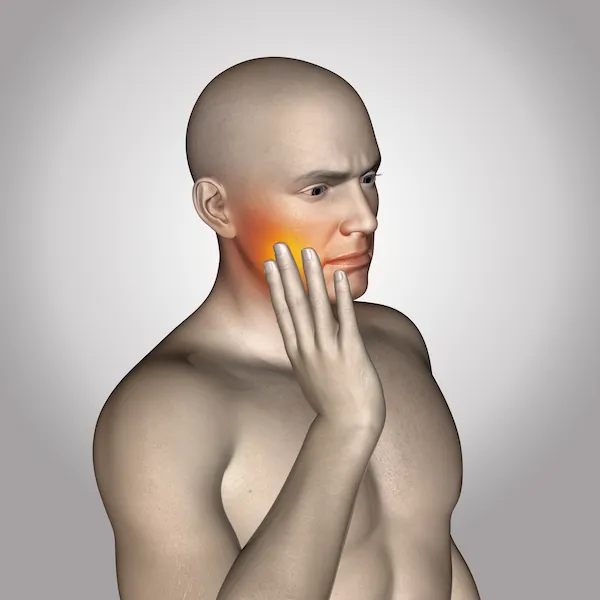
Your symptoms, bite, tooth wear and jaw muscles are assessed, and your health and medicines are reviewed before treatment is planned.
 Before treatment
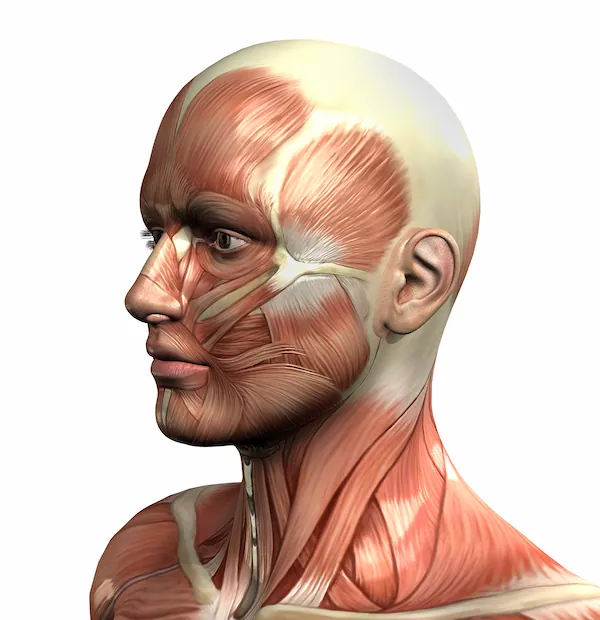
The muscles to treat, the dose and the expected timeline are explained, along with alternatives such as a night guard.
 About 15 to 20 minutes
A fine needle places small amounts into a few points of each muscle. Most people return to normal activities straight away.
 The first day
Avoid rubbing or pressing the treated area and strenuous exercise for the rest of the day, unless advised otherwise.
 After about 2 weeks
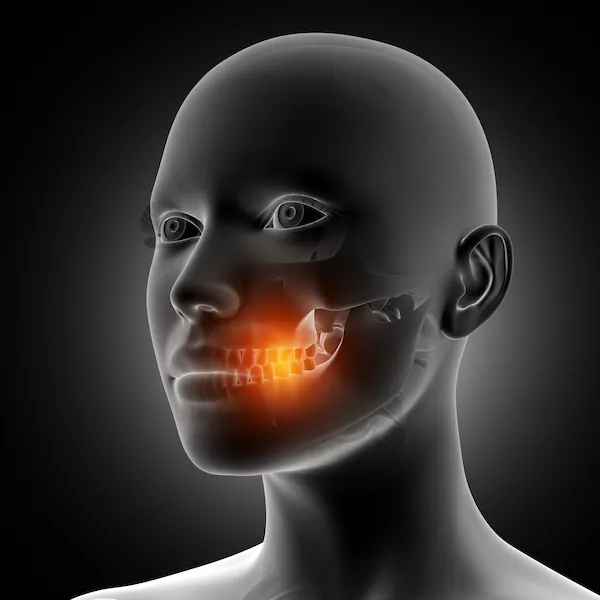
Aftercare is usually simple. Effects develop over days to weeks and gradually wear off over months. We’ll advise when to review progress and whether maintenance is appropriate.
Results
The effect starts within a few days of treatment.
The full effect is usually reached, with less clenching force and jaw tension.
The effect gradually wears off, and treatment is repeated if it helped.
Clenching in Qatar
Everyday points that can help.
Suitability
May be suitable for
Not suitable, or assessed first
Treatment is offered to adults; children and young people with grinding are assessed for dental options first.
Safety
Tenderness, small bruises and temporary tiredness when chewing hard foods are the most common effects. Less often, the product affects nearby muscles and changes the smile for a few weeks. With repeated treatment, the jaw muscles can become smaller, which can slim the lower face.
Careful assessment, conservative dosing, precise injection points and a review at about 2 weeks keep these effects low. Tell your doctor about your medicines and health conditions before treatment.
Your plan
The fee depends on the muscles treated and the dose needed.
You receive a personalised plan, including fees, after your assessment.
Your consultation
Ask what the assessment shows, and whether other causes need checking.
Ask about the masseter and temporalis, and the dose.
Ask how injections and dental protection work together.
Ask when to review, and whether maintenance is appropriate.
Your specialist

Medical Director & Specialist Dermatologist
Dr. Anas assesses jaw muscles and clenching patterns at Platinum, plans the dose and injection points for each patient, and works with the dental team when teeth need protection. He has more than 15 years of experience in dermatology across Syria and Qatar, including injection treatments.
Questions
Small injections of botulinum toxin into overactive jaw muscles, mainly the masseter, to reduce the force of clenching and grinding.
It reduces the force of the muscles and often eases clenching and jaw tension, but it may not stop grinding completely.
Usually 3 to 4 months, after which treatment can be repeated if it helped.
Within a few days, with the full effect after about 2 weeks.
A fine needle is used, so most people feel only brief stings.
Chewing hard foods can feel tiring for a few weeks, but normal chewing is preserved.
With repeated treatment, the masseter muscles can become smaller, which can slim the lower face.
Often, yes. Injections reduce muscle force; a night guard protects the teeth from wear.
It may help pain linked to muscle overactivity, as part of a plan that includes home guidance and dental support. Other causes are assessed first.
Botulinum toxin is widely used for jaw clenching, but in many countries this is an off-label use; your doctor explains the evidence, benefits and limits.
People who are pregnant or breastfeeding, have certain neuromuscular conditions, or have an infection at the injection site.
Avoid rubbing the area and strenuous exercise for the rest of the day, unless your doctor advises otherwise.
It is offered to adults. Children and young people with grinding are assessed for dental options first.
The fee depends on the muscles treated and the dose. You receive a personalised plan, including fees, after your assessment.
Further reading
Private consultation
Prefer guidance? Book a consultation and we’ll assess suitability and curate the right approach around your symptoms, bite, and comfort.

Doctor-led dentistry, dermatology & aesthetics — crafted in Lusail with calm precision.


